
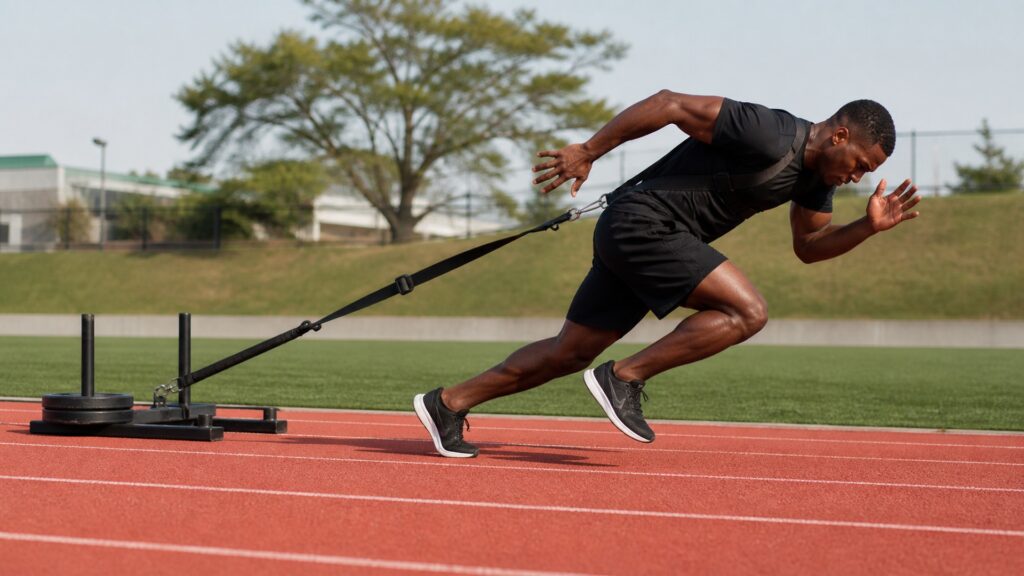
Why Speed Training Equipment Movement Pattern Matters

Movement pattern matters in speed training equipment because sprinting, accelerating, decelerating, reacting, and changing rhythm are not the same movement task. A tool that helps first-step acceleration may not help top-speed rhythm, and a marker setup that supports straight-line speed may not support curved or reactive movement.

The equipment should match the movement pattern being trained. Speed work becomes clearer when the tool supports the start, stride, direction, cue, or feedback that the athlete actually needs.

By: Review Streets Research Lab
Updated: October 5, 2026
Explainer · 8-12 min read
speed training equipment movement pattern explainer hero image for Review Streets
What You'll Learn

How Movement Patterns Shape Speed Equipment Fit

A practical look at acceleration, sprint rhythm, resisted movement, reaction, and deceleration patterns.

  • Why acceleration and top-speed patterns need different setups
  • How resisted tools change body angle and stride
  • Where markers, wickets, and cones guide movement rhythm
  • Why reaction and deceleration need their own pattern checks
  • How to choose equipment for the movement being trained

Tip: Match the tool to the speed pattern before judging whether the drill worked.

Definitions

Key Concepts Behind Speed Training Equipment Movement Pattern Matters

These concepts clarify the practical signals readers should check before choosing equipment or planning workouts.

Acceleration Pattern

An acceleration pattern is the body position and step sequence used to build speed from a start.

  • Example: short resisted starts with a light sled
  • Check: watch body angle and first steps
  • Limit: it does not cover every part of sprinting

Top-Speed Rhythm

Top-speed rhythm is the repeatable stride pattern used once the athlete is upright and fast.

  • Example: wicket runs for stride timing
  • Check: set spacing to match ability
  • Limit: forced spacing can disrupt mechanics

Resisted Pattern

A resisted pattern adds load to a speed movement.

  • Example: band-resisted sprint starts
  • Check: keep movement fast and recognizable
  • Limit: too much resistance changes the pattern

Reaction Pattern

A reaction pattern requires the athlete to respond to a signal or changing cue.

  • Example: sprint start on a light cue
  • Check: keep the cue clear and relevant
  • Limit: complex cues can slow the drill too much

Deceleration Pattern

A deceleration pattern trains slowing, braking, or preparing to change direction.

  • Example: sprint to controlled stop markers
  • Check: watch posture and stopping distance
  • Limit: deceleration needs space and control

Pattern Specificity

Pattern specificity is how closely the drill matches the movement quality being trained.

  • Example: using timing gates for a straight sprint test
  • Check: connect the tool to the movement goal
  • Limit: specificity still needs progression and recovery

Tip: The best equipment choice is the one that matches the training job, available space, and user's current ability.

Main Decision

Choose The Tool For The Movement Pattern

Speed equipment works best when the drill has a clear movement pattern. Starts, flying sprints, resisted runs, deceleration drills, and reaction starts do not need the same setup.

  • Name the pattern before choosing equipment.
  • Use markers and resistance that fit that pattern.
  • Avoid forcing every speed goal through one tool.

The pattern should lead the equipment choice.

Acceleration

Starts Need Different Tools Than Upright Sprinting

Acceleration drills often use short distances, body angle, and sometimes light resistance. Upright sprinting may need longer run-ins, timing, or rhythm markers.

  • Use short resisted work for first-step focus.
  • Use clear distances for start timing.
  • Do not carry acceleration posture into every sprint drill.

Different sprint phases need different setups.

Resistance

Resistance Changes The Pattern Quickly

Bands, sleds, and parachutes can support speed development, but they also change body position and stride. The load has to be light enough for the intended pattern to remain visible.

  • Watch for overstriding or collapsed posture.
  • Reduce load when stride quality drops.
  • Use resistance for a specific phase of speed.

Resistance should sharpen the pattern, not replace it.

Reaction

Cues Should Match The Movement Decision

Reaction lights, partner calls, and directional cues add decision-making. They are useful when the athlete can still execute the movement pattern at speed.

  • Keep cues simple at first.
  • Match the signal to the sport or training goal.
  • Add complexity only after clean movement is stable.

A reaction drill should still look like quality speed work.

Practical Check

Review The Pattern Across Reps

A drill can look good once and fall apart over several reps. Movement pattern checks should include first reps, later reps, and how the athlete responds to fatigue.

  • Compare early and late reps.
  • Watch whether times and mechanics drop together.
  • Adjust distance, rest, load, or spacing when quality changes.

Pattern quality has to survive repetition.

Quick Reality Check

Where Movement Pattern Checks Help And Where They Have Limits

Pattern checks keep speed tools aligned with the movement being trained.

Where They Help

They show whether the equipment supports acceleration, rhythm, reaction, or deceleration.

They prevent resistance or markers from changing the drill beyond its purpose.

Where They Fall Short

They do not replace coaching or progressive exposure.

A pattern can be appropriate but still too advanced for the athlete.

Common Myths

Misconceptions About Speed Movement Patterns

Speed training is not one single movement problem.

All sprint drills train the same pattern

Starts, upright sprinting, reaction, and deceleration require different setups.

More resistance improves every pattern

Resistance can help one phase while hurting another.

Markers automatically fix mechanics

Markers guide movement only when spacing and cues fit the athlete.

Reaction drills should always be complex

Complexity helps only after the basic movement stays clean.

Tip: Treat strong claims as reasons to inspect the workout fit more closely.

FAQ

Frequently Asked Questions About Movement Patterns

Short answers for practical training and buying decisions.

Why does movement pattern matter?

It determines whether the equipment supports the specific speed quality being trained.

What patterns should I separate?

Separate starts, acceleration, upright sprinting, resisted runs, reaction, and deceleration.

Can one tool train multiple patterns?

Yes, but the setup should change with the pattern.

How do I know resistance is too heavy?

If the athlete slows sharply or mechanics no longer resemble the intended drill, the load is probably too much.

What is the practical takeaway?

Match speed equipment to the movement pattern before adding load, timing, or cues.

Bottom Line

Movement pattern matters because speed equipment changes how athletes start, stride, react, resist, and stop.

The best setup supports the specific movement quality without distorting it.

Next Steps

Go Deeper or Compare Your Options

Use these Review Streets paths to compare related categories and practical next decisions.