
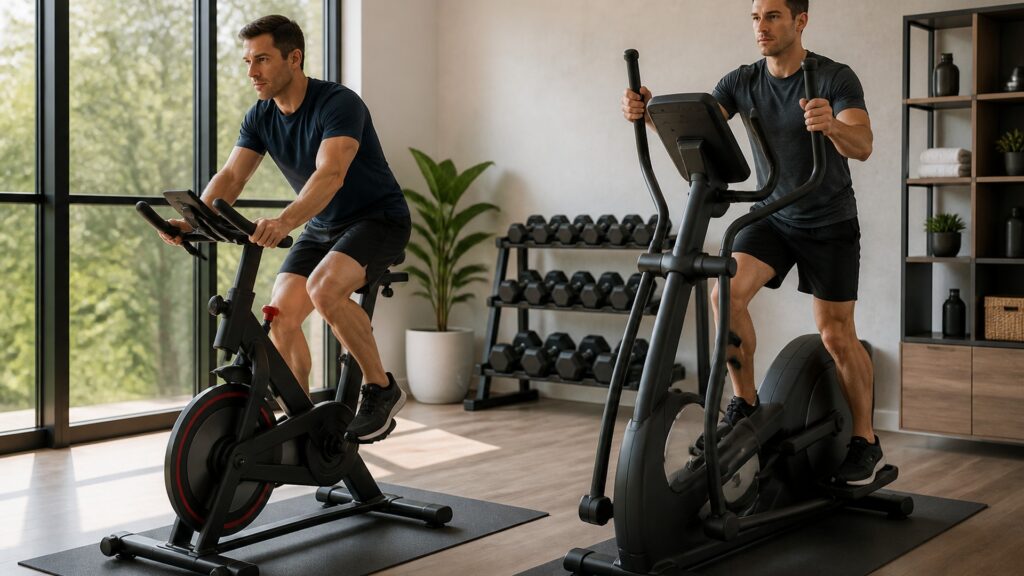
Why Spin Bikes Safety Factors Matters

Safety factors matter in spin bikes because the rider is clipped or strapped into a fast-moving pedal system while adjusting resistance and posture. A stable frame, correct setup, predictable resistance, and clear dismount process all matter.

Spin bikes can support intense indoor cycling, but the setup should not encourage sloppy posture or uncontrolled cadence. Safety starts with fit, then continues through resistance control and bike stability.

By: Review Streets Research Lab
Updated: October 6, 2026
Explainer · 8-12 min read
spin bikes safety factors explainer hero image for Review Streets
What You'll Learn

How Safety Factors Shape Spin Bike Use

A practical look at fit, pedals, resistance, frame stability, and room setup.

  • Why saddle and handlebar setup affect safety
  • How pedals and straps change control
  • Where resistance should stay predictable
  • Why frame stability matters
  • How room setup supports safer riding

Tip: Set the bike to the rider first, then judge comfort at real cadence and resistance.

Definitions

Key Concepts Behind Spin Bikes Safety Factors

These concepts connect spin bike design to fit, effort, control, and workout use.

Spin Bike Position

Spin bike position places the rider over a saddle and handlebar setup similar to indoor cycling classes.

  • Example: leaning slightly forward while pedaling
  • Check: adjust saddle and handlebar height before judging comfort
  • Limit: poor fit can make the ride uncomfortable

Flywheel Feel

Flywheel feel is how the bike carries momentum through each pedal stroke.

  • Example: a weighted flywheel smoothing out cadence
  • Check: pedal at slow and moderate speeds
  • Limit: heavy feel is not automatically better

Resistance Control

Resistance control changes how hard the pedals are to turn.

  • Example: turning a knob for a simulated climb
  • Check: confirm changes are smooth and predictable
  • Limit: some systems need calibration or maintenance

Cadence

Cadence is how quickly the rider pedals, usually measured in revolutions per minute.

  • Example: holding a steady rhythm during intervals
  • Check: see whether the console or app shows cadence
  • Limit: cadence is useful only when paired with effort

Riding Posture

Riding posture is how the rider's hips, back, shoulders, and hands align on the bike.

  • Example: standing briefly during a climb-style interval
  • Check: avoid reaching too far for the bars
  • Limit: aggressive posture may not suit every rider

Workout Role

Workout role is the job the bike fills in a routine.

  • Example: interval rides, class-style workouts, or steady cardio
  • Check: match the bike to the rides the user will repeat
  • Limit: one bike may not fit every cardio preference

Tip: A spin bike works best when fit, resistance, and cadence control support the same ride.

Fit

Correct Setup Comes Before Hard Riding

A spin bike should be adjusted before intensity rises. Poor saddle or handlebar position can make the rider unstable or uncomfortable.

  • Set saddle height.
  • Check handlebar reach.
  • Confirm the rider can pedal smoothly.

Fit is the first safety check.

Pedals

Foot Connection Should Be Secure And Understandable

Spin bikes may use toe cages, straps, or clip-in pedals. The rider should know how to secure and release the feet before riding hard.

  • Check straps or clips.
  • Practice release.
  • Avoid loose footwear.

Pedal connection affects control.

Resistance

Resistance Changes Should Be Predictable

The rider should be able to add or reduce resistance without sudden surprises. Predictable controls help prevent loss of rhythm.

  • Turn resistance gradually.
  • Know how to reduce load.
  • Avoid abrupt changes at high cadence.

Controlled resistance supports safer rides.

Stability

The Frame Should Stay Planted

Spin workouts can involve high cadence or standing efforts. The bike should stay steady on the floor.

  • Level the bike.
  • Check stabilizers.
  • Test standing only when stable.

A planted frame supports confidence.

Room

The Ride Area Should Stay Clear

The area around the bike should allow safe mounting, dismounting, and emergency stopping without clutter.

  • Leave side clearance.
  • Keep cords away.
  • Place devices securely.

Room setup is part of safe use.

Quick Reality Check

Where Safety Checks Help And Where They Have Limits

Safety checks reduce avoidable setup and control problems.

Where They Help

They catch fit, pedal, and stability problems before hard rides.

They keep resistance changes and room setup practical.

Where They Have Limits

They do not replace coaching for technique.

They cannot make a damaged or poorly assembled bike safe.

Common Myths

Misconceptions About Spin Bike Safety

Indoor cycling still needs setup discipline.

Spin bikes are safe at any setup

Fit and pedal connection need checking.

High cadence is always fine indoors

High cadence without control can be risky.

Resistance should be added quickly

Abrupt changes can disrupt rhythm.

Standing efforts are automatic

Standing requires stability and rider control.

Tip: Treat ride claims as cues to test setup, resistance, and control directly.

FAQ

Frequently Asked Questions About Spin Bike Safety Factors

Short answers for practical spin bike decisions.

What should I check first?

Check saddle height, handlebar reach, and pedal connection.

Do pedal straps matter?

Yes. Feet should be secure, and the rider should know how to release them.

Can I stand on a spin bike?

Only when the bike is stable and the rider can control posture and cadence.

What room setup matters?

Leave clearance, keep cords away, and place devices securely.

What is the practical takeaway?

A spin bike is safer when fit, pedals, resistance, and frame stability are checked before hard riding.

Bottom Line

Safety factors matter because spin bikes combine fast cadence, adjustable resistance, pedal connection, and riding posture.

Set the bike correctly and confirm control before adding intensity.

Next Steps

Go Deeper or Compare Your Options

Use these Review Streets paths to compare related categories and practical next decisions.