
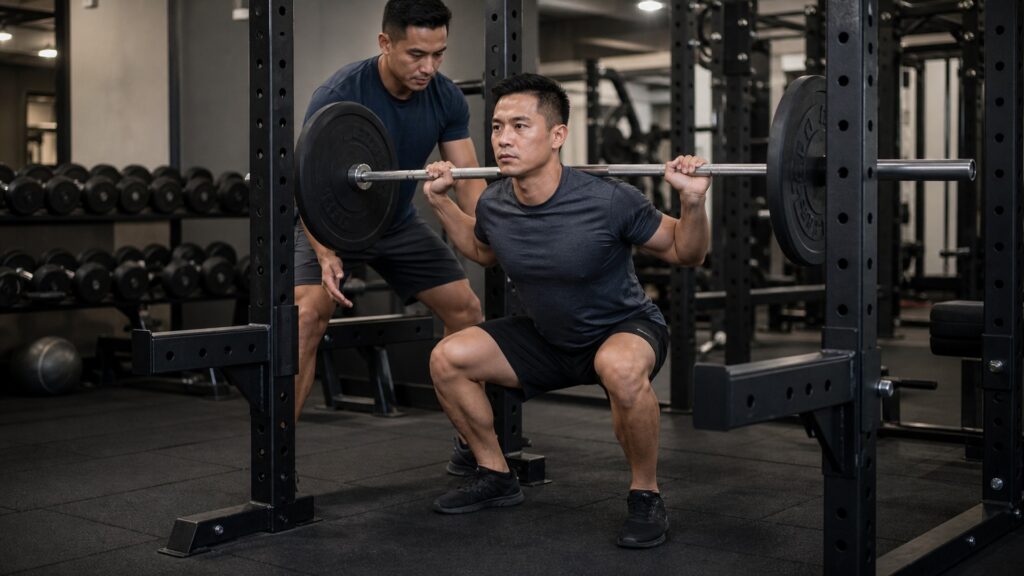
Why Strength Training Matters

Why Strength Training Matters is easiest to answer by looking past labels and following what the system asks the user to do. Explain why progressively challenging muscles matters for strength, function, bone loading, movement capacity, and long-term training adaptation.

This explainer connects the main terms, mechanism, practical benefits, tradeoffs, and limits around strength training. It is educational rather than medical advice, and readers should scale exercise or device use to their needs and circumstances.

By: Review Streets Research Lab
Updated: August 14, 2026
Explainer · 8-12 min read
strength training explainer hero image for Review Streets
What You'll Learn

How Strength Training Works in Practice

A practical explanation of strength training, focused on mechanism, setup, progression, useful comparisons, and realistic boundaries.

  • What strength training means in plain language
  • Which variables shape the result
  • How setup and user input change the outcome
  • Where progression or measurement becomes misleading
  • Which benefits matter in real use
  • What safety and recovery limits deserve attention
  • How to compare nearby Review Streets categories

Tip: Read the concept as part of a system, then connect it back to the use case.

Definitions

Key Concepts That Define Strength Training

These definitions connect the main idea to the variables, limits, and practical signals readers need to compare options.

External resistance

A key part of how strength training works in practice.

  • Role: Creates or measures the main training input
  • Use: Evaluate it in the context of the user's goal
  • Limit: One variable cannot describe the whole system

Movement pattern

A key part of how strength training works in practice.

  • Role: Shapes stability and repeatability
  • Use: Evaluate it in the context of the user's goal
  • Limit: One variable cannot describe the whole system

Training volume

A key part of how strength training works in practice.

  • Role: Changes fit and user control
  • Use: Evaluate it in the context of the user's goal
  • Limit: One variable cannot describe the whole system

Intensity

A key part of how strength training works in practice.

  • Role: Defines the usable movement or measurement range
  • Use: Evaluate it in the context of the user's goal
  • Limit: One variable cannot describe the whole system

Progression

A key part of how strength training works in practice.

  • Role: Supports progression and comparison
  • Use: Evaluate it in the context of the user's goal
  • Limit: One variable cannot describe the whole system

Recovery

A key part of how strength training works in practice.

  • Role: Reduces avoidable setup and use problems
  • Use: Evaluate it in the context of the user's goal
  • Limit: One variable cannot describe the whole system

Tip: Keep the definitions connected; the strongest answer usually comes from the whole system, not one term.

How It Works

How Strength Training Connects Input to Outcome

Strength training exposes muscles and supporting tissues to controlled resistance, then relies on recovery and gradual progression so the body can adapt to the repeated demand.

  • Start with the intended goal
  • Identify the main input or resistance
  • Check how the body or device responds
  • Adjust one variable at a time
  • Judge the result across repeated use

The useful result depends on the full chain around strength training, not one isolated feature.

Main Mechanism

Why the Main Mechanism Matters

The central mechanism is the relationship between external resistance, movement pattern, and training volume. Those elements determine whether the setup feels controlled, repeatable, and appropriate for the intended task.

  • Evaluate external resistance before headline claims
  • Check movement pattern under realistic use
  • Adjust training volume to the individual
  • Use consistent conditions when comparing results

Mechanism explains why similar-looking options can produce different experiences.

Progression and Tradeoffs

How Progression Changes Strength Training

Progress usually comes from changing workload, duration, range, complexity, or consistency. Each change can improve one outcome while increasing fatigue, setup demands, cost, distraction, or recovery needs.

  • Change the smallest useful variable
  • Keep technique or measurement conditions consistent
  • Allow time to observe the response
  • Avoid treating difficulty as proof of quality

Sustainable progression is more informative than a single extreme effort or reading.

Real-World Limits

Where Strength Training Needs More Context

Daily readiness, prior experience, equipment fit, environment, sensor error, and recovery can change how strength training performs. A result that looks clear once may not remain meaningful across different conditions.

  • Compare repeated sessions or readings
  • Account for fatigue and recovery
  • Stop or modify exercise when pain changes movement
  • Treat consumer metrics as estimates rather than diagnoses

Context keeps useful guidance from turning into an overconfident rule.

Practical Check

How to Apply Strength Training Before Choosing

A practical choice starts with the goal, then checks fit, usability, feedback, progression, maintenance, and limits. The best option is the one a person can use consistently and interpret correctly.

  • Define the primary goal
  • Test the setup or wearing comfort
  • Check adjustment and data controls
  • Consider long-term upkeep and recovery
  • Compare benefits against the actual tradeoffs

The strongest choice fits the user and the task instead of merely offering more features.

Quick Reality Check

Where Strength Training Helps and Where It Has Limits

A balanced view of what strength training can improve and what it cannot guarantee.

What Strength Training Can Support

A consistent strength program can improve force production, everyday function, work capacity, and confidence with physical tasks when exercises and loads match the individual.

It is most useful when goals, setup, progression, and expectations are specific.

Where the Shortcut Breaks Down

More weight is not automatically more effective, and strength training cannot compensate for poor technique, rushed progression, inadequate recovery, persistent pain, or programming that ignores individual capacity.

Persistent pain, concerning symptoms, or health-specific questions deserve guidance from an appropriate qualified professional.

Common Myths

Misconceptions About Strength Training

Common shortcuts and misunderstandings can make the topic seem simpler than it is.

More difficulty always produces more progress

Progress depends on an appropriate stimulus repeated consistently. Excessive load, volume, impact, or complexity can reduce technique quality, recovery, adherence, and the usefulness of the training signal.

One metric tells the whole story

A weight, heart-rate value, step count, calorie estimate, or feature list captures only part of the situation. Trends, context, technique, comfort, and the user's goal also matter.

The most advanced option is best

More features or adjustability can help experienced users, but they can also add cost and friction. A simpler option may be better when it supports consistent, understandable use.

Equipment or technology guarantees results

Tools can support training and feedback, but results still depend on appropriate use, gradual progression, recovery, nutrition, consistency, and realistic interpretation of the information they provide.

Tip: Treat strong claims as starting points for comparison, not final answers.

FAQ

Frequently Asked Questions About Strength Training

Concise answers to common questions readers may have after the main explanation.

What is strength training?

Strength Training is the system or category explained here, including its main inputs, user controls, feedback, benefits, and practical limitations.

Why does strength training matter?

It matters because it changes how people train, compare options, measure effort, and decide whether a setup supports their actual goal.

Is a more expensive option automatically better?

No. Price may reflect construction, features, software, or brand position, but usefulness depends on fit, reliability, comfort, adjustability, and whether the added capability serves the user.

How should beginners apply this information?

Start with a clear goal, use a manageable setup, learn consistent technique or wearing position, change one variable gradually, and seek qualified help when pain or health concerns affect the plan.

What is the most useful comparison rule?

Compare options under the same intended task. Focus on the differences that affect comfort, control, progression, feedback, recovery, and long-term consistency rather than counting features alone.

Bottom Line

Strength Training is most useful when it is treated as part of a repeatable system rather than a shortcut or guarantee.

Define the goal first, then compare mechanism, fit, progression, feedback, tradeoffs, and realistic limits before choosing equipment, training methods, or wearable technology.

Next Steps

Go Deeper or Compare Your Options

Use these Review Streets paths to connect the explainer to related categories, comparisons, and next decisions.

Fitness

Explore the Fitness category for related Review Streets explainers, comparisons, and buying context.

Strength Training Equipment

Explore the Strength Training Equipment category for related Review Streets explainers, comparisons, and buying context.

Quick Summary

Strength Training Explained

  • Strength Training connects a user input to a practical outcome.
  • Setup and consistency shape the result.
  • Progress should be gradual and interpretable.
  • One feature or metric never tells the whole story.
  • The best option matches the user's goal and constraints.