
Assisted Range
Assisted range is movement made easier by a strap, band, block, or support surface.
- Example: using a strap to reach a hamstring stretch
- Check: keep the stretch controlled
- Limit: assistance should not force pain
Movement pattern matters for stretching tools because the tool changes how the body enters, holds, and exits a stretch. The same strap, block, or band can help control a position or encourage the user to pull too hard.
A good movement pattern keeps the stretch gradual, supported, and easy to leave. The goal is controlled range, not an impressive-looking position.
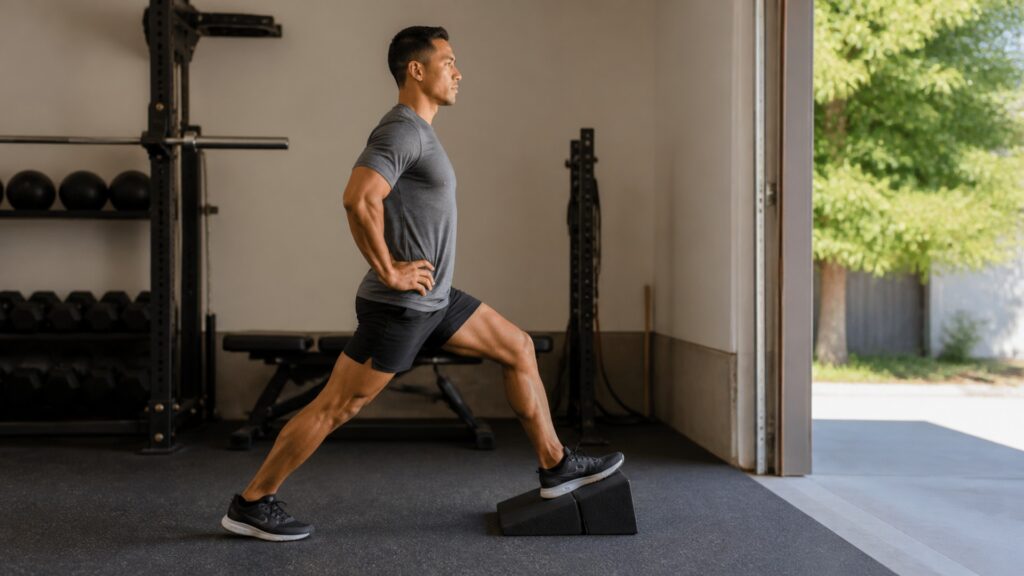
A practical guide to entering, holding, adjusting, and exiting supported stretches.
Tip: Move into and out of tool-assisted stretches slowly enough to stay in control.
These concepts explain how stretching tools support position, leverage, range, and control.
Assisted range is movement made easier by a strap, band, block, or support surface.
Leverage is how a tool helps the user apply or reduce force.
Position support helps the body stay aligned during mobility work.
Tension control is the ability to increase or decrease stretch intensity.
Routine fit is how well a tool matches the stretch sequence the user repeats.
Safety boundary is the point where useful stretch becomes strain or pain.
Tip: A stretching tool should make a position easier to control, not force the body into range.
A tool can make it easier to reach a stretch, but the user still needs to move gradually into position.
A controlled entry sets up the whole stretch.
During the stretch, the tool should reduce strain or improve alignment. If the user has to brace hard or hold the breath, the position may be too intense.
A good hold feels stable enough to repeat.
Stretching tools can create sudden leverage. Small grip changes or support changes make range easier to manage.
Gradual changes protect control.
Coming out too quickly can feel jarring, especially when a strap or band holds tension. The exit should be as controlled as the entry.
A clean exit keeps the routine calm.
The right pattern should be simple enough to repeat and controlled enough to avoid forcing range.
Movement pattern turns assistance into useful support.
Movement control keeps tool-assisted stretching useful and realistic.
It keeps entries, holds, adjustments, and exits controlled.
It reduces the chance of overpulling with leverage.
It cannot make sharp pain safe.
It does not replace care for injuries or persistent symptoms.
The path into and out of a stretch matters.
How the user enters and exits affects control and comfort.
More pull can exceed the safe boundary.
Bands stretch and add tension, while straps hold more steadily.
Support can still be intense if leverage is high.
Tip: Treat the whole movement path as part of the stretch.
Short answers about entry, hold, adjustment, and exit.
It determines whether the tool helps control range or encourages forcing.
No. Controlled movement is safer than bouncing into range.
Change grip, support, or tension gradually.
Releasing tension too quickly can feel jarring or uncontrolled.
Use slow entries, supported holds, small adjustments, and controlled exits.
Stretching tool movement pattern matters because the tool changes how the body enters, holds, adjusts, and exits a stretch.
A useful pattern keeps leverage gradual, support stable, and tension controlled from the first setup to the final release.
Use these Review Streets paths to compare related fitness categories and practical buying decisions.
Explore straps, blocks, bands, wheels, and other mobility-support tools.
Compare related recovery and mobility categories.
Review a related explainer before choosing a tool.
Choose a retailer
Prices checked regularly. We may earn a commission at no cost to you.