
Why Voltage Ratings Matter in Cordless Drills

Voltage ratings are often treated as a direct measure of a cordless drill’s strength, yet they describe only one part of a much larger electrical system. Misunderstandings arise because voltage is visible, simple to compare, and easy to separate from the less obvious roles of current flow, electronic control, and thermal limits that shape real behavior.

This explainer walks through how voltage fits into the broader power path inside a cordless drill, from the battery through the controller and motor. By the end, readers will understand how voltage interacts with current demand, heat buildup, and load resistance, and why voltage numbers alone cannot explain how a drill actually performs under working conditions.
 
 
By: Review Streets Research Lab
Updated: April 20, 2026
Explainer · 8–12 min read
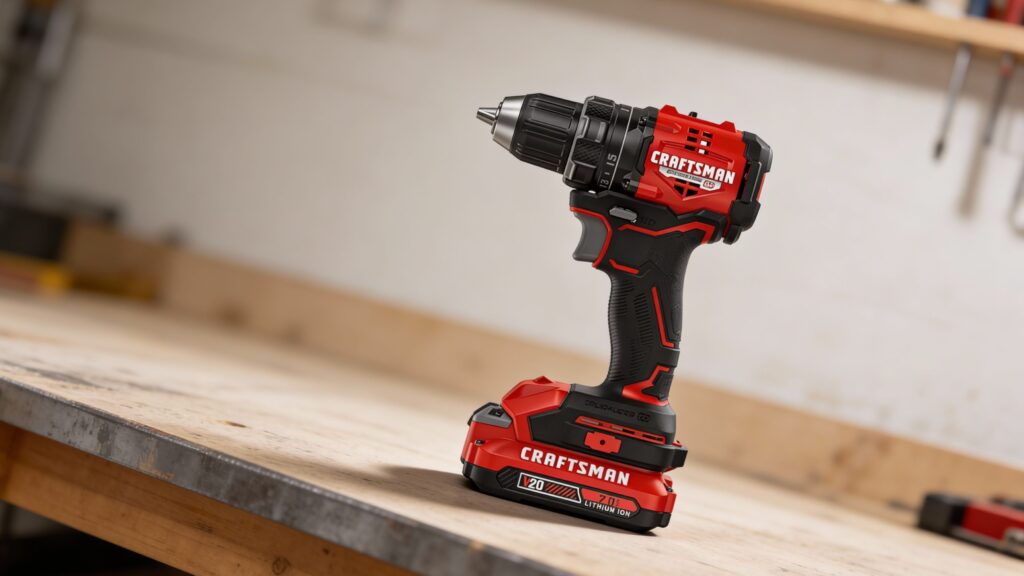
Cordless drill battery and internal power flow illustration showing voltage delivery from battery to motor
What You’ll Learn

Why Voltage Ratings Matter

An electrical-systems view of voltage, showing how it fits within current flow, control electronics, and thermal limits that shape real drill behavior.

  • How voltage relates to current flow and electrical pressure within the system
  • Why higher voltage changes motor speed potential but not guaranteed torque
  • How controllers limit current to manage heat and protect components
  • How battery cell configuration influences voltage stability under rising load
  • Why voltage ratings alone cannot predict sustained drilling behavior accurately
  • How voltage interacts with gearing to shape usable speed ranges
  • Why heat buildup reduces effective voltage delivery during prolonged demand

Tip: Think of voltage as electrical pressure that only matters when current flow and heat allow it.

Definitions

Key Parts That Make a Cordless Drill Work

Voltage ratings make sense only in context, so these definitions focus on how electrical pressure, current flow, and heat interact across the system.

Battery Pack

The electrical source that sets the system’s baseline voltage and supplies current under load. Its cell configuration and internal resistance determine how stable that voltage remains as demand rises.

  • Nominal voltage: Baseline electrical pressure set by the cell series count
  • Voltage sag: Output drops when current rises and cells heat up
  • Internal resistance: Converts some electrical power into heat inside the pack

Electronic Controller

The control stage that turns trigger input into regulated motor power. It shapes effective voltage at the motor by switching and limiting current to manage heat and component stress.

  • Switching control: Adjusts motor input by rapidly modulating delivered power
  • Current limiting: Caps demand during stalls to protect cells and electronics
  • Thermal response: Reduces output as temperatures approach protection thresholds

Motor

The conversion point where voltage and current become rotational torque and speed. Its electrical design determines how much current is required to produce a given torque at a given RPM.

  • Back-EMF: Rising speed generates opposing voltage, reducing current draw
  • Torque constant: Links current to torque output at the motor shaft
  • Heat losses: Resistance and switching losses increase as current demand rises

Gearbox + Clutch

The mechanical stage that transforms motor output into usable torque and speed at the chuck. It determines how electrical power becomes force at the bit by shifting the torque–RPM balance.

  • Ratio effect: Trades motor speed for higher torque at the output
  • Load reflection: Changes how resistance at the bit loads the motor
  • Slip threshold: Clutch interrupts torque transfer when a set limit is reached

Chuck

The interface that must transmit torque without slip while keeping the bit aligned. As voltage enables higher speed potential, chuck stability and grip determine whether that speed becomes controlled cutting.

  • Clamping friction: Holds against torque spikes when the bit grabs or binds
  • Runout control: Alignment affects contact quality and increases friction when poor
  • Torque transfer: Surface condition of jaws influences how reliably force couples

Torque

The turning force at the bit that resists stalling when material pushes back. Voltage influences speed headroom, but torque at the chuck is governed by current, gearing, and thermal limits.

  • Current demand: Higher torque requires higher current through the motor
  • Gear conversion: Ratios multiply motor torque while reducing output speed
  • Thermal ceiling: Heat limits sustained current and therefore sustained torque

Tip: Treat voltage as headroom, then trace how current limits and heat decide what reaches the bit.

Power Path

How Voltage Fits Into the Power Path

Voltage is the electrical pressure that sets the system’s operating headroom, but it only matters when current can flow through the full power path. Real behavior comes from how voltage, current, and losses interact under load.

  • The battery establishes nominal voltage based on how many cells are in series
  • Current draw increases when resistance rises, causing voltage sag in the pack
  • The controller shapes effective motor input through switching and current limits
  • The motor converts electrical input into torque and speed with heat as a byproduct
  • Gearing converts motor output into usable torque at the chuck

Voltage ratings set the starting conditions, while the rest of the path determines what reaches the bit.

Motors

How Motors Translate Voltage Into Speed and Torque

Motor behavior determines how voltage becomes rotational speed and how current becomes torque. This matters because voltage can increase speed potential, while torque depends on how much current the system can sustain.

  • Back-EMF rises with speed, reducing current as the motor spins faster
  • Torque production tracks current, so higher load demands higher current
  • Electrical losses increase with current, turning part of input into heat
  • Control strategy shapes how smoothly torque is delivered as load changes

The motor makes voltage visible as RPM, but current limits govern sustained torque.

Gearing

How Gearing Converts Electrical Headroom Into Usable Output

Gearing determines the torque–speed trade that arrives at the chuck. It matters because voltage headroom can be spent on higher RPM, but drilling and driving often require torque shaped by gear ratio.

  • Lower gear increases torque at the output while reducing bit speed
  • Higher gear increases bit speed while lowering available torque
  • Gear ratio changes how resistance at the bit loads the motor electrically
  • Mechanical losses in gears convert a portion of input power into heat

Gearing is where electrical capability is translated into the torque and speed the bit actually sees.

Heat Management

Why Heat Changes Effective Voltage Under Load

Heat is a system-level constraint because it raises electrical resistance and forces protective limits. As temperatures climb, the same nominal voltage produces less usable work at the motor and chuck.

  • Battery cell resistance increases with temperature, deepening voltage sag during demand
  • Controllers reduce allowed current as internal temperatures approach safe thresholds
  • Motor winding resistance rises with heat, increasing losses at a given current
  • Interface friction at the bit converts rotational energy into heat instead of removal

Thermal behavior explains why voltage ratings do not stay “constant” during sustained load.

User Control

How Control Inputs Shape Electrical Demand

Trigger input is a control signal that changes motor voltage and current through the controller. Small changes in speed and pressure can shift the system between efficient cutting and high-loss friction.

  • Gentle speed ramping reduces current spikes at startup and initial contact
  • Stable alignment limits side loading that increases torque demand and heating
  • Variable resistance causes current to rise and fall, changing perceived smoothness
  • Chatter and binding create abrupt load steps that stress electronics and battery

Control feel is the visible surface of a feedback loop between load, current draw, and heat.

Quick Reality Check

What Voltage Explains — and What It Doesn’t

Voltage is a useful signal, but it becomes meaningful only when paired with current delivery, electronic limits, and heat behavior.

Voltage Sets Speed Headroom

Higher voltage can raise potential motor speed by providing more electrical pressure at the input.

This becomes visible when the controller can sustain current without deep voltage sag during resistance changes.

Current and Heat Set Limits

Under load, torque requires current, and current creates heat throughout the system.

When cells warm or protection thresholds activate, effective voltage at the motor drops and output changes even if the rating stays the same.

Common Myths

Misconceptions About Voltage and Drill Performance

Voltage is easy to quote, but drill behavior is shaped by current limits, control electronics, and heat across the power path.

Voltage is the same as power

Voltage is electrical pressure, not work by itself. Power depends on both voltage and current, and under load the controller and battery determine how much current can flow without triggering heat and protection limits.

Higher voltage guarantees higher torque

Torque at the bit is largely a function of current through the motor and the gear ratio converting motor output. Higher voltage can increase speed headroom, but torque rises only if the system can supply and sustain the required current.

The voltage rating stays constant while drilling

In use, output voltage drops as current draw increases because internal resistance converts some energy into heat. That sag grows as cells warm, so effective motor input changes even when the nominal rating on the pack does not.

Amp-hours tell you how strong it is

Amp-hours describe stored capacity, not peak torque or speed. Capacity can influence how steady the pack feels under demand by spreading current across more cells, but strength still depends on current limits, motor design, and heat.

Stalling means the voltage is too low

Stalls usually occur when load exceeds available torque, which is often constrained by current limiting or rising temperatures rather than nominal voltage. As protection thresholds approach, the system reduces current, and the motor cannot sustain rotation against resistance.

Tip: Treat voltage as headroom, then track how current flow and heat determine what is delivered.

FAQ

Frequently Asked Questions About Voltage Ratings

Clear explanations that connect voltage numbers to current flow, heat behavior, and how electrical limits shape real drill operation.

What actually determines how “powerful” a cordless drill feels?

Perceived power comes from how well the system sustains torque as resistance rises. Battery current capability, controller limits, motor efficiency, gearing, and heat buildup all matter, which is why drills with identical voltage ratings can behave very differently under load.

Does a higher voltage drill always drill faster?

Higher voltage raises potential motor speed, but drilling speed depends on torque at the bit and how well RPM is maintained under resistance. Gearing, current limits, and thermal behavior often cap usable speed before nominal voltage becomes the deciding factor.

What does amp-hour (Ah) mean—and does it make the drill stronger?

Amp-hours describe stored energy and influence how long current can be supplied. They do not directly increase torque, but higher-capacity packs can reduce voltage sag and heating, allowing the drill to sustain demanding loads more consistently.

Why does my drill slow down or shut off during tough drilling?

As resistance increases, current demand rises and heat accumulates in the battery, controller, and motor. To prevent damage, protective limits reduce current flow, which lowers effective motor voltage and appears as slowing or temporary shutdown.

When should I use low gear vs high gear?

Low gear reduces speed while increasing torque at the chuck, lowering current demand for a given load. High gear increases speed potential but requires higher current under resistance, reaching thermal and electronic limits sooner.

What’s the practical advantage of a brushless drill?

Brushless systems control motor timing electronically, reducing electrical and friction losses. That efficiency means less heat for a given current, which helps maintain effective voltage and torque longer as load and resistance fluctuate.

Why do some chucks slip or wobble?

Slip occurs when clamping friction is lower than transmitted torque, often during sudden load changes. Wobble results from alignment errors in the chuck or bit, increasing side loads that raise current demand and reduce effective power delivery.

What matters more for performance: the drill or the battery?

The drill defines how voltage and current are converted into motion, but the battery sets the ceiling for safe current delivery. Under heavy load, internal resistance and heating in the battery often determine how much of the rated voltage remains usable.

Tip: Trace performance changes by following resistance at the bit back through current draw, voltage sag, and rising system temperature.

Bottom Line

Voltage is headroom, not a standalone measure of drill strength. Under load, current limits and heat determine how much of that voltage becomes usable torque and speed at the bit.

With this model, voltage ratings become easier to interpret as part of a system that changes with resistance, temperature, and control limits.

Next Steps

Go Deeper or Compare Your Options

If you want to extend this voltage framework, these pages connect electrical specs to real workloads, tradeoffs, and clearer selection criteria.

Cordless Drills Top 10 List

A curated list organized by workload and system behavior, highlighting how power delivery and thermal limits shape day-to-day drilling performance.

Cordless vs Corded Comparison

A focused comparison of continuous power delivery, heat buildup, and sustained load response between battery-powered systems and plug-in tools.

Cordless Drill Buying Guide

A selection framework that explains how to interpret voltage alongside current capability, gearing, and heat management for a clearer overall picture.

Quick Summary

Why Voltage Ratings Matter

  • Voltage describes electrical pressure, not how much work the drill performs
  • Under load, current demand drives voltage sag and changes motor input
  • Controllers limit current to manage heat and protect electrical components
  • Gearing converts electrical headroom into usable torque and speed ranges
  • Heat raises resistance across the system, reducing effective voltage delivery