
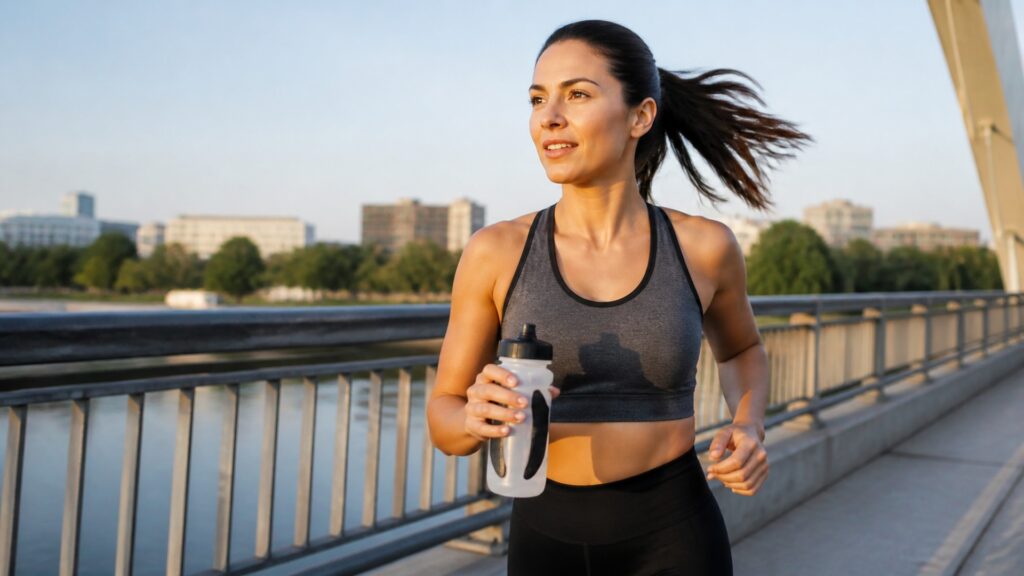
Why Water Bottles Movement Pattern Matters

Movement pattern matters for water bottles because the bottle has to work while the user is walking, lifting, cycling, driving, commuting, or reaching for a drink between efforts. A bottle that is easy on a desk can be awkward once the body is moving.

The key issue is handling. Grip, cap style, flow, shape, and placement determine whether the bottle stays usable when hands are sweaty, space is tight, or the user needs a quick sip without breaking the routine.

By: Review Streets Research Lab
Updated: September 29, 2026
Explainer · 8-12 min read
water bottles movement pattern explainer hero image for Review Streets
What You'll Learn

How Movement Changes Water Bottle Design

A practical look at how handling, grip, and drinking access change when the user is moving.

  • Why movement affects grip, cap choice, and bottle shape
  • How one-handed use changes the best design
  • Where spill risk and flow control matter
  • Why bottle placement is part of movement fit
  • When a desk bottle may fail in a workout setting
  • How to test a bottle against real movement

Tip: Test the bottle in the position where you drink from it most, not only standing still.

Definitions

Key Concepts Behind Bottle Movement Pattern

These terms explain how movement changes the way a bottle performs.

Movement Context

Movement context is the activity happening when the user reaches for the bottle.

  • Example: grabbing water between lifting sets
  • Check: identify whether the user is still, walking, riding, or commuting
  • Limit: one context does not cover every use

Grip Control

Grip control is how securely the bottle can be held during motion or with wet hands.

  • Example: a textured bottle that is easier to hold after sweating
  • Check: consider diameter, texture, and condensation
  • Limit: large bottles can still be difficult to grip

One-Handed Access

One-handed access is the ability to open, drink, and close the bottle without using both hands.

  • Example: a flip cap used during a walk
  • Check: test the cap without setting the bottle down
  • Limit: easy opening must still seal securely

Flow Control

Flow control is how predictably water comes out while the user is moving.

  • Example: a bite valve that limits spills during activity
  • Check: match flow to movement speed
  • Limit: slow flow can feel frustrating during high effort

Placement Fit

Placement fit is how well the bottle sits where it needs to be reached.

  • Example: a bottle fitting a treadmill holder or backpack sleeve
  • Check: measure the holder or pocket
  • Limit: a bottle can fit storage but still drink poorly

Spill Margin

Spill margin is how forgiving the bottle is when bumped, tilted, or opened quickly.

  • Example: a secure cap in a crowded gym bag
  • Check: look at seals, lockouts, and mouth shape
  • Limit: no bottle is spill-proof if left open

Tip: Movement pattern turns bottle choice from a simple capacity decision into a handling decision.

Handling

A Moving User Needs Better Handling

When the user is moving, a bottle has to be easy to grab, hold, open, and set back down. Smooth sides, oversized bodies, or awkward caps can become annoying during ordinary activity.

  • Grip matters more with sweat or condensation.
  • Diameter affects one-handed use.
  • Bottle weight changes as capacity increases.

Good handling keeps hydration from interrupting movement.

Access

Cap Design Changes The Drinking Motion

Wide mouths, screw caps, flip caps, straws, squeeze tops, and bite valves all create different drinking motions. The best option depends on whether the user is still, walking, riding, or between workout sets.

  • Screw caps are secure but slower.
  • Straws and flip caps can be faster.
  • Wide mouths pour quickly but can spill more easily.

Cap design should match the movement, not just the look of the bottle.

Placement

The Bottle Has To Be Reachable

A bottle that lives across the room, rolls away, or does not fit the holder is less useful. Movement pattern includes where the bottle waits while the user is active.

  • Check cup holders, cages, and bag pockets.
  • Avoid shapes that tip easily in the gym.
  • Use loops or handles when carrying matters.

Reachability can decide whether the bottle gets used during the session.

Spills

Motion Raises The Cost Of Poor Sealing

A small leak at a desk is annoying. A leak in a gym bag, car, backpack, or near electronics can be a bigger problem. Movement makes seal quality more important.

  • Look for dependable lid threads and seals.
  • Be careful with caps that open accidentally.
  • Inspect worn gaskets over time.

Movement-friendly bottles need access and security at the same time.

Practical Test

Test The Bottle In The Real Motion

The best check is simple: reach for the bottle, open it, drink, close it, and place it back while doing the activity where it will be used. The weak point usually appears quickly.

  • Try one-handed use if that matters.
  • Check whether it fits the holder.
  • Notice whether cleaning complexity is worth the access benefit.

Movement pattern makes the everyday test more useful than the product description.

Quick Reality Check

Where Movement Fit Helps And Where It Does Not

Movement fit improves access, but it does not decide hydration needs.

Where It Helps

It makes drinking easier during walking, training, commuting, or quick transitions.

It reduces spills and awkward handling when the user is active.

Where It Falls Short

It cannot tell the user how much to drink.

A movement-friendly cap may require more cleaning.

Common Myths

Misconceptions About Bottle Movement Pattern

Movement changes more than capacity.

Movement pattern only matters for sports bottles

It also matters for commuting, errands, gym bags, car use, and outdoor routines.

A secure cap is always the best cap

Security matters, but access can suffer if the cap is too slow or awkward.

Wide-mouth bottles are always easier

They are easier to fill and clean, but they can spill more during movement.

One bottle fits every activity

A desk bottle, bike bottle, hiking bottle, and gym bottle may need different designs.

Tip: Choose for the movement you repeat most often.

FAQ

Frequently Asked Questions About Water Bottle Movement Pattern

Short answers about grip, cap style, flow, and placement.

What bottle feature matters most during movement?

Grip and cap access usually matter most, followed by leak resistance and holder fit.

Are straw caps good for movement?

They can be convenient, but they add parts that need cleaning and may not suit every setting.

Why does bottle shape matter?

Shape affects grip, holder fit, tipping, and whether the bottle is comfortable to carry.

Should I avoid wide-mouth bottles?

No. They are useful for filling and cleaning, but they may be less convenient during motion.

What is the practical takeaway?

Pick a bottle that is easy to reach, open, drink from, seal, and clean in your real activity.

Bottom Line

Water bottle movement pattern matters because drinking access changes when the user is active.

The best movement-friendly bottle balances grip, cap access, flow control, placement fit, and leak resistance without becoming hard to clean.

Next Steps

Go Deeper or Compare Your Options

Use these Review Streets paths to compare related fitness categories and practical buying decisions.

Water Bottles

Compare bottle designs for workouts, daily hydration, and travel.