
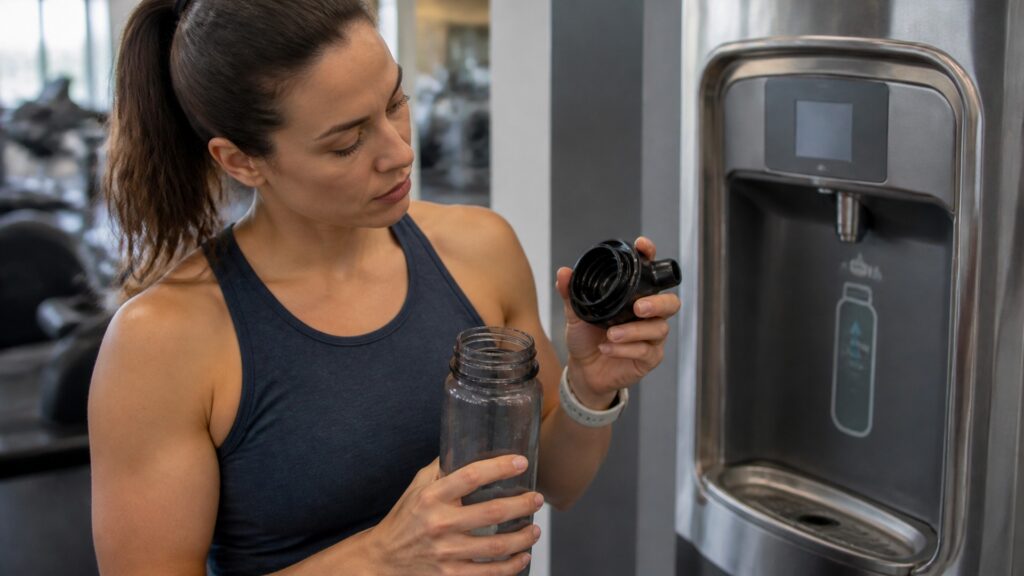
Why Water Bottles Safety Factors Matters

Safety factors matter for water bottles because the product touches drinking water repeatedly and travels through bags, gyms, cars, kitchens, and outdoor settings. A bottle has to be cleanable, durable, leak resistant, and appropriate for the fluids it carries.

The main safety questions are practical: whether the materials suit the use, whether the cap and seals stay clean, whether hot or carbonated liquids are appropriate, and whether damage creates sharp edges, leaks, or trapped residue.

By: Review Streets Research Lab
Updated: September 29, 2026
Explainer · 8-12 min read
water bottles safety factors explainer hero image for Review Streets
What You'll Learn

How To Think About Water Bottle Safety

A practical guide to material, cleaning, heat, pressure, and damage risks.

  • Why cleanability is a core safety factor
  • How materials and temperature limits affect use
  • Where seals, straws, and lids can trap residue
  • Why leaks and pressure matter in bags and cars
  • When damage means a bottle should be replaced
  • How to choose a bottle that matches the drinks you use

Tip: Safety starts with the drink, the temperature, the cleaning routine, and the condition of the cap and seals.

Definitions

Key Concepts Behind Water Bottle Safety

These terms explain the practical safety checks that matter during regular use.

Material Suitability

Material suitability is whether the bottle material fits the drink, temperature, and setting.

  • Example: using an insulated stainless bottle for cold water
  • Check: review manufacturer limits for heat and dishwasher use
  • Limit: material claims do not remove cleaning needs

Cleaning Access

Cleaning access is how easily all wet surfaces can be washed and dried.

  • Example: removing a straw or gasket before washing
  • Check: look for hidden crevices in caps and threads
  • Limit: dishwasher-safe does not always clean every part

Seal Integrity

Seal integrity is how well caps, threads, gaskets, and closures prevent leaks.

  • Example: a gasket that stays seated after repeated washing
  • Check: inspect seals for wear or misalignment
  • Limit: seals can degrade over time

Temperature Limit

Temperature limit is the range of hot or cold liquids the bottle is designed to handle.

  • Example: avoiding hot liquids in a bottle not rated for them
  • Check: follow product instructions for heat
  • Limit: insulation does not make every lid safe for hot drinks

Pressure Risk

Pressure risk comes from carbonation, fermentation, heat, or shaking sealed liquids.

  • Example: carbonated drinks building pressure in a closed bottle
  • Check: avoid sealed pressure when the bottle is not designed for it
  • Limit: pressure warnings vary by cap design

Damage Check

A damage check looks for cracks, dents, sharp edges, loose parts, or trapped residue.

  • Example: replacing a cracked plastic lid
  • Check: inspect after drops and dishwasher cycles
  • Limit: small damage can still affect cleaning or sealing

Tip: A safe bottle is not just made from a good material. It also stays clean, sealed, and undamaged in daily use.

Cleaning

Cleanability Is The First Safety Test

A bottle that traps residue in straws, gaskets, lid threads, or corners can become unpleasant even if the main body looks clean. Safety starts with washing and drying every part that touches liquid.

  • Remove parts the maker says are removable.
  • Rinse soon after flavored or sugary drinks.
  • Let parts dry before storage.

If a bottle is hard to clean, it is harder to use safely every day.

Materials

Use The Bottle Within Its Material Limits

Plastic, stainless steel, glass, and soft bottles behave differently with heat, impact, odor, and cleaning. The right material depends on the drink, setting, and manufacturer instructions.

  • Check heat and dishwasher guidance.
  • Avoid using damaged plastic or cracked lids.
  • Use glass carefully around impact risk.

Material choice matters most when it is matched to real conditions.

Heat And Pressure

Hot Or Carbonated Drinks Need Extra Caution

Some bottles are not made for hot liquids, carbonation, or sealed shaking. Pressure can build inside a closed container, and heat can change how caps, seals, or drinking spouts behave.

  • Follow product instructions for hot drinks.
  • Be careful with carbonation in sealed bottles.
  • Open pressurized bottles away from the face.

A bottle designed for cold water may not be safe for every liquid.

Leaks

Leak Safety Is About More Than Mess

Leaks can damage electronics, soak bags, create slippery spots, or expose dirty cap areas to the drink path. Seal integrity matters when bottles travel through crowded daily settings.

  • Inspect gaskets and threads.
  • Close caps fully before packing.
  • Replace worn or loose parts when possible.

A dependable seal protects both the drink and the things around it.

Practical Check

Replace Bottles That Cannot Be Cleaned Or Sealed Well

A bottle does not need to last forever. If odors remain, parts crack, seals fail, or residue cannot be removed, replacement may be the safer and simpler option.

  • Check for persistent odors.
  • Look for cracks or rough edges.
  • Retire bottles with unreliable lids.

Safety is an ongoing condition, not a one-time label.

Quick Reality Check

Where Safety Checks Help And Where They Do Not

Safety depends on both design and maintenance.

Where They Help

They reduce problems from residue, leaks, heat misuse, pressure, and damaged parts.

They help match the bottle to the drinks and settings used most often.

Where They Fall Short

They cannot make a poorly maintained bottle clean.

They do not replace product-specific instructions.

Common Myths

Misconceptions About Water Bottle Safety

Most safety issues are ordinary maintenance issues.

Dishwasher-safe means no inspection is needed

Caps, straws, seals, and threads may still trap residue or need drying.

Any bottle can hold hot drinks

Hot liquids require a bottle and cap designed for that use.

Carbonated drinks are harmless in sealed bottles

Pressure can build, especially when shaken or warmed.

A bottle is safe until it breaks completely

Cracks, odors, loose seals, and rough edges can matter before total failure.

Tip: Use the bottle the way it was designed, then keep checking the parts that touch liquid.

FAQ

Frequently Asked Questions About Water Bottle Safety

Short answers about materials, cleaning, heat, pressure, and replacement.

How often should I clean a water bottle?

Clean it after regular use, and clean it soon after flavored, sugary, or electrolyte drinks.

Are stainless steel bottles safer than plastic?

Not automatically. Suitability depends on use, care, temperature limits, and whether all parts can be cleaned.

Can I put hot drinks in any water bottle?

No. Use hot liquids only in bottles and lids designed for them.

When should I replace a bottle?

Replace it when cracks, odors, worn seals, rough edges, or trapped residue cannot be fixed.

What is the practical takeaway?

A safe water bottle is cleanable, used within its limits, sealed reliably, and replaced when damaged.

Bottom Line

Water bottle safety factors matter because drinking gear needs clean surfaces, suitable materials, reliable seals, and proper use.

The safest bottle is one that matches the drink and setting, cleans fully, handles temperature correctly, and gets replaced when parts wear out.

Next Steps

Go Deeper or Compare Your Options

Use these Review Streets paths to compare related fitness categories and practical buying decisions.

Water Bottles

Compare bottle designs for workouts, daily hydration, and travel.