Why Water Resistance Rowers Safety Factors Matters

Safety factors matter because a water resistance rower combines moving body position, a sliding seat, foot straps, a handle pull, a long frame, and a water tank. The machine can feel smooth, but poor setup or worn parts can turn a simple rowing session into an awkward or risky one.

The most important checks are practical: stable placement, enough rail clearance, secure footrests, smooth seat travel, safe tank condition, and a stroke pace the user can control. A safer rower is easier to use consistently because the user is not fighting the machine.

By: Review Streets Research Lab
Updated: October 7, 2026
Explainer · 8-12 min read
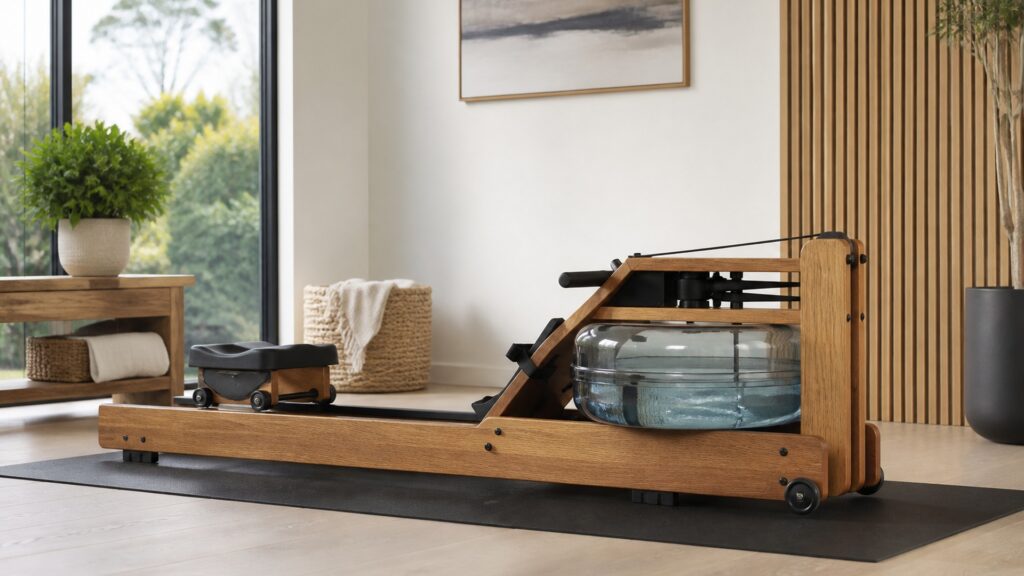
water resistance rowers safety factors explainer hero image for Review Streets
What You'll Learn

Safety Checks That Matter On Water Rowers

A practical look at stability, clearance, foot connection, tank condition, and controlled stroke rhythm.

  • Why floor stability and rail clearance matter
  • How foot straps and handle grip affect control
  • Where tank condition and leaks create ownership concerns
  • Why smooth seat travel supports safer rowing
  • What to inspect before repeated use

Tip: Set up the rower like a moving machine, not a decorative piece of furniture.

Definitions

Key Safety Concepts For Water Resistance Rowers

These concepts explain the checks that keep water-rower use more controlled and repeatable.

Frame Stability

Frame stability is how firmly the rower stays positioned during use.

  • Example: a rower that does not rock or shift during harder strokes
  • Check: place it on a flat surface and test normal effort
  • Limit: soft or uneven floors can change stability

Rail Clearance

Rail clearance is the space needed for the seat and user to move safely through the stroke.

  • Example: enough room behind and around the rail
  • Check: measure the full operating area
  • Limit: stored footprint can be misleading

Foot Security

Foot security is how well the footrests and straps hold the feet during drive and recovery.

  • Example: straps that keep the feet from slipping upward
  • Check: tighten straps before rowing
  • Limit: poor fit can disrupt control

Handle Control

Handle control is the ability to pull and return the handle smoothly without snapping or dropping it.

  • Example: finishing the pull and returning the handle under control
  • Check: test grip comfort and strap behavior
  • Limit: fatigue can reduce control

Tank Condition

Tank condition is the state of the water tank, seals, fill level, and water clarity.

  • Example: a sealed tank with clear treated water
  • Check: look for leaks, cloudiness, or loose parts
  • Limit: tank care varies by model

Controlled Pace

Controlled pace is rowing at an effort and rhythm the user can maintain without losing form.

  • Example: slowing down when recovery becomes rushed
  • Check: watch whether the stroke stays smooth
  • Limit: hard intervals require more control

Tip: Safety is mostly about setup, inspection, and controlled use rather than fear of the machine.

Placement

The Rower Needs A Stable Surface

A water rower should sit on a level surface with enough grip to stay put during the stroke. Rocking, sliding, or uneven placement can make the workout feel less controlled.

  • Use a flat surface.
  • Check for frame movement.
  • Avoid crowding the rail against furniture.

Stable placement is the first safety check.

Clearance

Rail Space Has To Match The Full Stroke

The machine may look narrow, but the user and seat move through a long path. Clearance around the rail, handle, and tank matters during real use.

  • Measure operating space.
  • Leave room to get on and off.
  • Check upright storage safety separately.

A rower is safe to use only in the space it actually needs.

Connection

Foot And Handle Control Matter

The feet anchor the drive, and the handle controls the pull and return. Loose straps, awkward grip, or rushed handle return can make the stroke less predictable.

  • Secure foot straps.
  • Keep the handle return controlled.
  • Stop if grip or posture breaks down.

Good connection keeps effort from becoming sloppy.

Tank

The Water Tank Should Be Inspected

The tank adds the resistance feel, but it also adds a part that needs care. Leaks, cloudy water, overfilling, or ignored treatment can affect ownership and use.

  • Follow fill instructions.
  • Use recommended water treatment.
  • Check for leaks before moving the machine.

Tank condition is part of safe long-term use.

Pacing

Harder Workouts Need More Control

Intervals and hard pulls can be useful, but they make control more important. The user should be able to keep the seat, handle, and recovery phase smooth at the chosen effort.

  • Build intensity gradually.
  • Do not rush the recovery.
  • Use technique before force.

A controlled stroke is safer and more useful than a frantic one.

Quick Reality Check

Where Safety Checks Help And Where Problems Start

Most water-rower safety issues are setup, fit, or maintenance issues.

Safety Checks Help When

The rower is stable, clear, inspected, and easy to mount.

The user can keep the stroke smooth at the intended effort.

Problems Start When

The machine shifts, the rail is crowded, or the tank is neglected.

The user rows harder than their control allows.

Common Myths

Misconceptions About Water Rower Safety

A simple machine still needs careful setup.

Low-impact means no safety checks

Low-impact reduces some stress, but setup and control still matter.

Tank condition is only cosmetic

Leaks, poor water care, or wrong fill level can affect ownership and use.

Foot straps are optional

Secure feet help control the drive and recovery.

Harder pulls prove better training

Harder efforts are useful only when the stroke remains controlled.

Tip: Inspect the machine before trusting it for repeated workouts.

FAQ

Frequently Asked Questions About Water Rower Safety Factors

Short answers about setup, fit, tank care, and controlled use.

What should I check before using a water rower?

Check floor stability, rail clearance, foot straps, handle movement, seat travel, and tank condition.

Is a water rower safe for beginners?

It can be when the user starts slowly, learns the stroke, and sets up the machine correctly.

Does the tank need safety checks?

Yes. Look for leaks, proper fill level, clear water, and recommended treatment.

Why do foot straps matter?

They help keep the feet connected during the drive and recovery.

What is the practical takeaway?

A water rower is easier and safer to use when setup, inspection, and stroke control are handled first.

Bottom Line

Safety factors matter because a water rower is a moving machine with a sliding seat, handle pull, and water tank.

Stable placement, enough clearance, secure feet, smooth handle control, and basic tank care make repeated rowing more practical.

Next Steps

Go Deeper or Compare Your Options

Use these Review Streets paths to compare related categories and practical next decisions.