
Workout Role
Workout role is the main job the rower performs in a user's routine.
- Example: steady cardio, intervals, warmups, or rowing practice
- Check: name the main role before comparing models
- Limit: one machine may not serve every role equally
Workout role matters because a water resistance rower can be a steady cardio tool, interval station, warmup option, rowing-practice machine, or low-impact home workout. Each role changes how much comfort, feedback, tank sound, storage, and maintenance matter.
A water rower is strongest when its responsive drag and rowing rhythm support the sessions the user wants to repeat. Without that role clarity, the machine may feel beautiful but inconvenient, engaging but too loud, or capable but poorly matched to the routine.
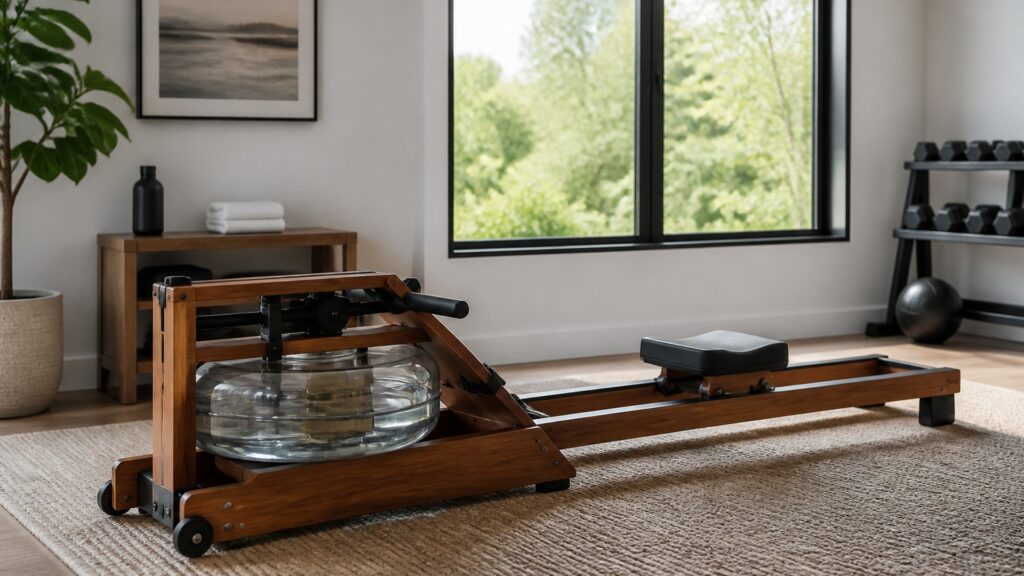
A practical look at matching water resistance rowers to the job they need to perform.
Tip: A water rower should be judged by the sessions it will repeat, not by tank feel alone.
These concepts connect the rower's features to real training use.
Workout role is the main job the rower performs in a user's routine.
Steady cardio uses a repeatable pace and effort for a sustained row.
Interval work alternates harder efforts with easier recovery periods.
Technique practice uses slower strokes to improve sequence and rhythm.
Ownership fit is whether storage, sound, water care, and setup fit the home.
Feedback fit is whether the monitor gives enough information for the intended role.
Tip: The role should decide which features matter and which claims can be ignored.
A water rower can do several things, but the purchase makes more sense when one role is clearly most important. A warmup tool, interval machine, and primary cardio station should not be judged the same way.
A clear role makes the choice more practical.
Water drag can make steady rowing and effort changes feel natural. That is useful when the user likes self-paced resistance, but it may be less important for someone who only needs a quick warmup.
Water feel is valuable when it supports the actual session.
A basic monitor may be enough for casual rows, but intervals and progression benefit from clearer time, pace, stroke, or distance feedback.
Feedback matters when it helps the next workout.
A rower used for short warmups can tolerate less than a rower used for long cardio. Seat comfort, rail smoothness, handle grip, and foot support become more important as session length increases.
Comfort has to last as long as the role requires.
Tank care, sound, storage, and setup decide whether the rower stays convenient. A machine that is annoying to prepare will struggle as a regular training tool.
The best role is one the home can support repeatedly.
The intended use changes what counts as a good water rower.
The user knows whether the rower is for steady cardio, intervals, warmups, or practice.
Comfort, feedback, and tank care match that role.
The monitor is too basic for the planned workouts.
Storage, sound, or tank care reduces repeated use.
The same rower can be useful or frustrating depending on the job it is expected to do.
It helps only when the rower fits the session, room, and user.
Longer or more frequent sessions raise the importance of comfort and feedback.
A warmup rower still needs to be accessible and comfortable enough to use.
Intervals also need control, timing, recovery, and useful feedback.
Tip: Use the intended role to decide what is essential and what is just nice to have.
Short answers for matching a water rower to real training use.
They can fit steady cardio, intervals, warmups, and technique practice when the machine supports the user's routine.
Check seat comfort, rail smoothness, water sound, and display readability over several minutes.
Check handle control, monitor timing, recovery feel, and stability at harder efforts.
Yes. Tank care and storage can decide whether the rower stays convenient enough to use.
Choose a water rower for the role it performs best in your routine.
Workout role matters because a water rower is only valuable when it fits the sessions the user will repeat.
Match the rower to steady cardio, intervals, warmups, or practice before judging tank feel, monitor features, storage, or price.
Use these Review Streets paths to compare related categories and practical next decisions.
Review how the tank creates resistance.
Explore the broader rowing-machine category.
Compare more home cardio options.
Choose a retailer
Prices checked regularly. We may earn a commission at no cost to you.