Why Weight and Balance Matter in Cordless Drills

Weight and balance are foundational mechanical characteristics in cordless drills, yet they are often discussed only in passing or reduced to comfort alone. In reality, these factors influence how forces are distributed through the tool, how torque is resisted by the user’s hand, and how the drill behaves under load. Misunderstanding weight and balance can lead to confusion about control, stability, and overall tool dynamics during operation.

This explainer outlines how mass distribution, center of gravity, and handle alignment interact within a cordless drill system. It walks through how these elements affect rotational forces, leverage, and user input across common drilling motions. By the end, readers will understand how weight and balance function as interconnected design principles that shape how a cordless drill responds in real-world use.

By: Review Streets Research Lab
Updated: April 20, 2026
Explainer · 8–12 min read
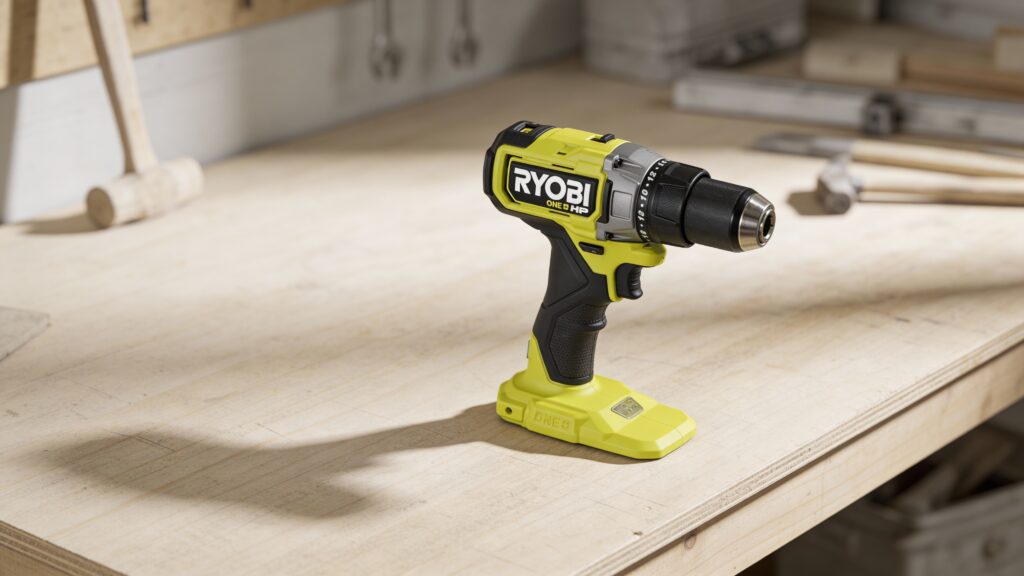
Cordless drill resting naturally in a user’s hand, highlighting balanced weight distribution and ergonomic design during controlled drilling.
What You’ll Learn

Weight, Balance, and Drill Dynamics

This module explains how weight distribution and balance shape force transfer, rotational behavior, and user input across a cordless drill system.

  • How mass placement affects center of gravity during common drilling motions
  • Why handle alignment changes leverage and perceived resistance at the wrist
  • How battery position influences balance shifts as the tool is angled
  • How rotational forces interact with weight to affect directional stability
  • Why uneven weight distribution increases corrective input during sustained drilling
  • How balance impacts transitions between vertical, horizontal, and overhead work
  • How grip position and mass combine to influence overall tool control

Tip: Viewing the drill as a weighted system clarifies how balance governs force, rotation, and user correction.

Definitions

Key Concepts Behind Weight and Balance in Cordless Drills

These definitions clarify how mass placement and force paths interact, since “heavier” and “better balanced” often get treated as the same idea.

Center of Gravity

The point where a drill’s mass effectively concentrates as it’s held and moved. Its location determines how the tool wants to settle, tilt, or swing under gravity.

  • Position: Where the weight “sits” relative to the grip
  • Shift: Changes as the drill angle and support points change
  • Stability: Influences how much correction is needed to hold alignment

Mass Distribution

How weight is spread across the drill body, not just the total weight. Distribution shapes leverage, rotational behavior, and how load is carried through the hand.

  • Front bias: Adds downward moment at the chuck end
  • Rear bias: Pulls the tool back toward the wrist and forearm
  • Vertical stack: Affects how the tool balances during angled drilling

Moment Arm

The effective distance between the center of gravity and the point where the drill is supported. A longer moment arm increases the torque the user must resist to keep position.

  • Distance: Small shifts can change perceived heaviness significantly
  • Posture: Arm position alters the lever geometry during use
  • Fatigue path: Converts static holding into continuous stabilizing effort

Rotational Reaction

The opposing twist felt in the hand when the drill produces torque at the bit. This reaction travels through the handle and is shaped by balance and grip alignment.

  • Direction: Opposes bit rotation and loads the wrist in torsion
  • Impulse: Spikes during starts, stalls, and sudden bite events
  • Control: Managed through leverage, stance, and tool geometry

Grip Axis Alignment

The relationship between the handle’s centerline and the drill’s working line through the chuck. Alignment determines how directly forces pass into the hand versus creating twisting moments.

  • Force line: Misalignment creates off-axis loading during drilling
  • Wrist load: Increases when the handle sits away from the working line
  • Tracking: Affects how easily the bit stays on the intended path

Balance Point

The location where the drill can rest level when supported, reflecting how mass is arranged around the grip. It is a practical expression of distribution rather than a separate property.

  • Neutral feel: Occurs when support aligns near the center of mass
  • Angle sensitivity: Balance can change as the drill is rotated in space
  • Accessory effects: Bits and attachments move the balance point forward

Tip: Treat the drill as a levered mass where gravity and torque reactions both resolve through the grip.

Power Path

How Forces Move Through the Drill and Into the Hand

Weight and balance determine how gravity and drilling reactions route through the grip, wrist, and forearm. That force path governs how stable the tool feels as load changes.

  • Gravity creates a holding moment based on mass and center-of-gravity location
  • Bit resistance generates a counter-torque that travels back through the handle
  • Off-axis alignment turns straight push force into twisting and lateral components
  • Small shifts in support points change which joints absorb the same external load
  • Angle changes alter the effective lever arm between the grip and the center of mass

When forces resolve cleanly through the grip, the drill tracks more predictably under load.

Motors

How Mass Distribution Shapes Rotational Behavior

Rotational reaction is felt at the handle, but how it is experienced depends on leverage and mass placement. Balance influences whether torque reactions stay centered or induce additional twist.

  • A forward center of gravity increases the moment the wrist must resist
  • A rearward bias can reduce nose drop but increase sensitivity to small wrist motions
  • Vertical stacking of mass changes roll tendency during angled drilling
  • Higher rotational inertia can smooth small disturbances but slows directional correction

In use, the same torque can feel different depending on where mass is concentrated.

Gearing

Why Handle Alignment and Leverage Determine Control Effort

Balance is not only about where weight sits, but how the handle lines up with the working axis. Misalignment converts drilling forces into moments the user must counteract continuously.

  • When the grip sits off the working line, push force produces a turning moment
  • A longer distance from grip to center of mass increases the required stabilizing torque
  • Top-heavy layouts promote roll during transitions between orientations
  • Support from the off-hand changes leverage and reduces the effective moment arm

Leverage geometry explains why some drills hold steady while others demand constant correction.

Heat Management

How Posture and Angle Change the Balance Point in Real Use

A drill’s balance is not fixed in practice because the tool is rarely held in one orientation. As the drill is raised, tilted, or extended, gravity and support points shift the system.

  • Overhead positioning increases the effective lever arm to the shoulder and wrist
  • Working at reach reduces joint support, amplifying the same tool moment
  • Angled drilling changes how weight projects forward and downward from the grip
  • Bit contact forces can lift or drop the nose, interacting with the center of gravity

Changing orientation modifies the force balance even when the drill itself is unchanged.

User Control

Why Balance Affects Tracking, Correction, and Bit Placement

Control is the ongoing process of keeping the bit aligned while forces fluctuate at the tip. Weight distribution and balance determine how much corrective input is required to maintain that line.

  • Front-heavy setups encourage downward pitch, increasing micro-corrections at the wrist
  • Side-to-side imbalance increases yaw drift during starts and material entry
  • Higher inertia resists small perturbations but can overshoot fine positioning
  • Grip geometry changes how quickly corrections translate into bit direction changes
  • Two-hand contact reduces the degrees of freedom, stabilizing the system under load

Tracking behavior emerges from how mass, leverage, and hand inputs interact during operation.

Quick Reality Check

Where Weight and Balance Help — and Complicate

A quick reality check on how mass and center of gravity can stabilize handling in some positions, while amplifying leverage in others.

When Balance Supports Control

When the center of gravity sits near the grip, gravity creates less pitch moment, so the drill tracks with fewer constant corrections during steady drilling.

This shows up in horizontal work where the line of push aligns with the handle, keeping reaction forces closer to the forearm rather than twisting the wrist.

When Leverage Increases Effort

When mass sits forward or high, the same total weight produces a larger moment arm, increasing stabilizing torque demands as the drill is angled or extended.

Overhead or reach work often exposes this, because support points shift and gravity loads the wrist and shoulder more directly through the drill’s offset center of mass.

Common Myths

Misconceptions About Weight, Balance, and Handling

Weight and balance get reduced to comfort, but they are force-and-leverage issues that change how loads travel through the hand.

A heavier drill is automatically harder to control

Total weight matters, but distribution often matters more because it sets the moment arm at the grip. A heavier drill with mass centered near the handle can require less stabilizing torque than a lighter drill that is nose-heavy.

Balance only matters during long jobs

Balance affects short actions as well, because starts, stops, and bit entry create quick reaction changes. If the center of mass sits forward or high, those transient forces translate into larger wrist moments even over a brief drilling cycle.

The battery only affects runtime, not handling

The battery is a major mass element, so its position shifts the center of gravity and changes leverage. Moving that mass rearward can reduce nose drop, while lower placement can reduce roll tendency during angled drilling and repositioning.

Weight distribution matters more than grip geometry

Distribution sets the forces, but grip geometry determines how those forces couple into the hand and wrist. Handle angle, width, and alignment with the working axis can either keep loads in line or convert push force into twisting moments.

Reaction torque is separate from balance

Reaction torque is fixed by what the bit experiences, but how it feels depends on leverage and support. A forward center of gravity increases the wrist’s stabilizing demand, so the same torque event can produce more roll, pitch, or yaw at the handle.

Tip: Think in moments: where mass sits and where force acts determines how much correction the grip must supply.

FAQ

Frequently Asked Questions About Weight and Balance

Clear explanations of how mass distribution, leverage, and orientation affect handling, control, and effort during real-world cordless drill use.

Why can a lighter drill sometimes feel harder to control?

Total weight is only part of the equation; where that weight sits matters more. A light drill with a forward center of gravity creates a longer moment arm, increasing wrist torque and requiring more constant correction to maintain alignment.

How does balance change when drilling overhead or at reach?

As the drill is raised or extended, support points shift and the effective lever arm increases. Gravity loads the wrist and shoulder differently, so the same tool can feel noticeably heavier and less stable despite unchanged mass.

Does the battery position really affect handling that much?

Yes, because the battery is one of the heaviest components. Its position shifts the center of gravity and alters leverage, influencing nose drop, roll tendency, and how forces resolve through the grip during angled or dynamic drilling.

Why does balance feel different when switching drill angles?

Changing angles changes how gravity projects through the tool’s mass. A balance point that feels neutral horizontally can create pitching or rolling moments when vertical or angled, increasing stabilizing effort even without added load.

Is reaction torque separate from weight and balance?

The reaction torque at the bit is fixed by resistance, but how it feels depends on leverage. Forward or high mass placement increases the wrist’s stabilizing demand, amplifying roll or twist during starts, stalls, and sudden engagement.

Why does grip design influence balance perception?

Grip geometry determines how forces couple into the hand. Alignment with the working axis keeps loads linear, while offsets convert push force into twisting moments that make the drill feel less balanced under the same mass distribution.

Can balance affect drilling accuracy?

Yes, because imbalance increases corrective input. When mass and leverage promote pitch or yaw, small hand movements translate into larger bit deviations, making it harder to maintain a straight, stable drilling path.

Why does the drill feel different with two hands?

Adding a second support point shortens the effective moment arm and reduces degrees of freedom. This distributes forces across both arms, lowering stabilizing torque at any single joint and making the system feel more controlled.

Tip: When handling feels off, think in moments and leverage: where the mass sits, how far it is from support points, and how orientation changes the force path.

Bottom Line

Weight and balance shape handling through leverage, not just total mass. Center of gravity and grip alignment determine how gravity and reaction torque load the wrist during position changes and under drilling resistance.

With that mental model, handling traits become interpretable effects of mass placement and orientation, rather than vague impressions that are hard to explain.

Next Steps

Go Deeper or Compare Your Options

With weight and balance in context, these pages show how handling factors fit alongside power, heat behavior, and real task demands.

Cordless Drill Lists

Curated roundups that group cordless drills by intended workload, highlighting how design choices affect handling, control, and sustained drilling behavior.

Cordless vs Corded Comparisons

Direct comparisons that separate handling and mobility from continuous power delivery, clarifying where balance matters most and where runtime limits dominate.

Cordless Drill Buying Guides

A structured guide to interpreting ergonomics, balance, and core specs together, so drill behavior makes sense before narrowing choices for specific tasks.

Quick Summary

Weight and Balance Explained

  • Weight distribution defines the drill’s center of gravity and leverage during operation
  • Balance affects how gravity and reaction torque load the wrist
  • Mass placement changes stabilizing effort as orientation and reach vary
  • Grip alignment determines whether forces stay linear or become twisting moments
  • Handling feel emerges from combined effects of mass, leverage, and support points