
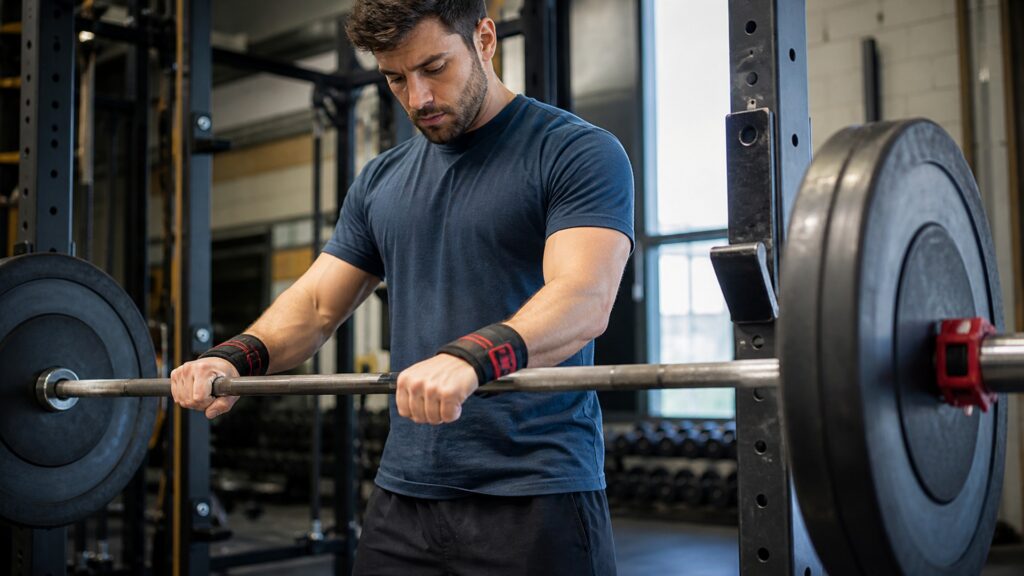
Why Weightlifting Accessories Training Function Matters

Training function matters in weightlifting accessories because each accessory should perform a clear lifting job. Straps assist grip during pulling exercises. Belts give the lifter a surface to brace against. Wrist wraps support wrist position during pressing. Collars help keep plates secure. Blocks, wedges, and pads can change setup or positioning for specific lifts.

The right accessory is not the one with the most features. It is the one that solves the specific problem in the exercise while still letting the lifter use good technique and judgment.

By: Review Streets Research Lab
Updated: September 23, 2026
Explainer · 8-12 min read
weightlifting accessories training function explainer hero image for Review Streets
What You'll Learn

How Weightlifting Accessories Solve Specific Lifting Problems

A practical look at grip assistance, bracing support, wrist position, plate security, and setup changes.

  • Why accessories should be selected by function
  • How straps, belts, wraps, collars, and setup tools differ
  • When support gear helps the lift and when it can distract
  • Why exercise compatibility matters
  • How to keep accessory use precise instead of automatic

Tip: Name the lifting problem first, then choose the accessory that directly addresses it.

Definitions

Key Concepts Behind Weightlifting Accessory Function

These concepts describe the real jobs accessories perform during strength training.

Grip Assistance

Grip assistance helps the lifter hold the bar, handle, or implement during pulling work.

  • Example: lifting straps used on heavy rows or Romanian deadlifts
  • Check: ask whether the hands are limiting the target exercise
  • Limit: straps are less useful when the goal is to train grip itself

Bracing Support

Bracing support gives the lifter feedback for creating trunk tension during heavy lifts.

  • Example: a belt used for heavy squats after the lifter knows how to brace
  • Check: confirm the belt supports a bracing skill that already exists
  • Limit: a belt does not fix poor position or reckless loading

Wrist Positioning

Wrist positioning support helps keep the wrist more stable during pressing or front-rack work.

  • Example: wrist wraps used during heavy bench press sets
  • Check: see whether the wrap improves comfort without changing the lift awkwardly
  • Limit: wraps should not be used to ignore pain or poor bar placement

Load Security

Load security keeps plates or attachments from shifting during a lift.

  • Example: barbell collars used when plates might slide on the sleeve
  • Check: make sure the collar fits the bar and holds firmly
  • Limit: collars do not replace careful loading and unloading

Setup Modification

Setup modification changes the starting position, contact point, or range used for a lift.

  • Example: using blocks for pulls from a raised height or wedges for heel-elevated squats
  • Check: confirm the setup change serves the exercise goal
  • Limit: modified setups can change what the lift trains

Selective Use

Selective use means using an accessory only when it helps the specific set or exercise.

  • Example: using straps for heavy back work but not every warmup
  • Check: decide before the set what the accessory is meant to solve
  • Limit: automatic use can hide whether the accessory is still needed

Tip: Useful accessories make a specific lift easier to set up, stabilize, or complete for the intended reason.

Selection

Start With The Exercise Problem

Weightlifting accessories should be chosen from the lift outward. A deadlift grip issue, a heavy squat bracing need, and a pressing wrist-position issue call for different tools.

  • Identify the lift and the issue.
  • Match the accessory to that issue.
  • Skip accessories that do not change the set in a useful way.

The accessory should have a job before it goes in the gym bag.

Grip

Straps And Grip Aids Help When Hands Are The Limit

Grip assistance is useful when the target muscles can keep working but the hands are losing the implement too early. That is different from a session where grip strength is the main target.

  • Use straps for selected heavy pulling work.
  • Use chalk or grips when slipping interrupts a set.
  • Leave some work unsupported when grip development matters.

Grip aids are best used when they serve the exercise purpose.

Support

Belts And Wraps Should Reinforce Good Positions

Belts and wraps can improve feedback and comfort, but they should support a lift the user already understands. They are not a shortcut around learning how to brace, press, rack, or control the bar.

  • Practice bracing without a belt too.
  • Use wrist wraps where wrist position is the issue.
  • Do not use support gear to push through warning signs.

Support gear works best when it reinforces sound lifting.

Security

Collars And Small Tools Protect The Set From Avoidable Problems

Some accessories are simple but important. Collars, clips, and organized small tools help keep the station stable and prevent small problems from interrupting the workout.

  • Use collars when plates can shift.
  • Check worn straps, wraps, and clips before heavy use.
  • Keep frequently used tools easy to find.

Reliable setup is part of training quality.

Setup

Blocks, Wedges, And Pads Change The Lift Context

Setup tools can be useful when a coach or lifter wants a different starting height, angle, contact point, or position. Because these tools change the lift, they should be used deliberately.

  • Use blocks or wedges for a clear exercise reason.
  • Check whether the change helps the intended movement.
  • Avoid turning every lift into a modified setup by default.

A setup tool should clarify the exercise, not confuse it.

Quick Reality Check

Where Accessories Help And Where They Can Get In The Way

Accessory value depends on whether the tool solves a real lifting need.

Where They Help

They can assist grip, bracing, wrist position, load security, and setup.

They help lifters keep attention on the intended exercise task.

Where They Get In The Way

They can hide pain, poor setup, or overreaching.

They can clutter a session when used without a clear reason.

Common Myths

Misconceptions About Weightlifting Accessory Function

The value of an accessory depends on the lifting problem it solves.

More accessories mean better training

Better training uses the right support for the right lift, not every accessory at once.

Belts make heavy lifts safe by themselves

Belts can support bracing, but technique, load choice, and attention still matter.

Straps are always wrong

Straps can be appropriate when grip would stop back or pulling work before the target muscles are challenged.

Setup tools are only for advanced lifters

Blocks, wedges, or pads can help many lifters, but only when the setup change has a clear purpose.

Tip: An accessory is useful when its function matches the set in front of the lifter.

FAQ

Frequently Asked Questions About Weightlifting Accessory Function

Short answers about straps, belts, wraps, collars, and setup tools.

How do I know which accessory to use?

Start with the lifting problem. Grip issues, bracing needs, wrist position, plate security, and setup changes call for different accessories.

Are straps helpful or harmful?

They are helpful when grip is limiting a pulling exercise for the wrong reason, but they should not replace all grip work.

When should I use a belt?

Use a belt when bracing support is useful for a heavy lift and the lifter already understands how to brace.

Why do collars matter?

Collars help keep plates secure, especially when the bar angle or movement could let plates shift.

What is the practical takeaway?

Weightlifting accessories matter when they solve a specific lifting function without replacing technique or judgment.

Bottom Line

Weightlifting accessories matter because different tools solve different lifting problems.

The strongest choices match the exercise, the lifter, and the specific function needed: grip, bracing, wrist position, load security, or setup.

Next Steps

Go Deeper or Compare Your Options

Use these Review Streets paths to compare related categories and practical next decisions.

Gym Accessories

Browse related gear for training preparation and organization.