
This Bosch HD18-2 Hammer Drill review examines performance, durability, and handling in real-world concrete and masonry applications. We evaluate its strengths and limitations against comparable corded hammer drills, focusing on power delivery, ergonomics, and long-term reliability to clarify where it fits—and where it may fall short.
Bosch HD18-2 Hammer Drill Review: Performance, Pros, and Cons
By: Review Streets Research Lab
Updated: April 2, 2026
Approx. 8–10 min read
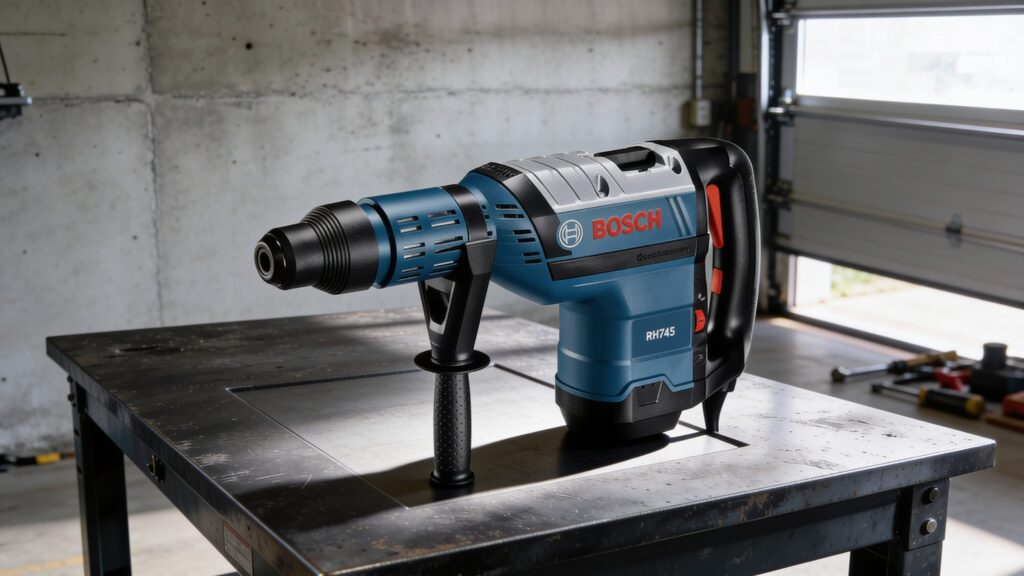
Quick Summary
The Bosch HD18-2 is a work-oriented hammer drill that prioritizes steady power delivery and dependable control when driving fasteners or drilling into masonry. It feels composed under load and suited to longer sessions where consistency matters. The main tradeoff is a bulkier, heavier feel than more compact options, which can add fatigue in tight spaces.
8.2
Score
Best for: Serious DIY & light pro
Pros & Cons
Bosch HD18-2: what we liked (and what we didn’t)
A quick look at the biggest strengths and tradeoffs based on performance, handling, and everyday usability.
Pros
- Steady drilling: Feels composed under load and maintains clean progress through tougher materials.
- Confident hammering: Delivers consistent masonry performance for anchors, pilot holes, and light concrete work.
- Good control: Predictable trigger response helps with accurate starts and fewer slips on bit placement.
- Durability vibe: Built with a work-ready feel that inspires confidence for frequent, demanding use.
- Jobsite versatile: Handles mixed tasks—from driving fasteners to drilling—without feeling finicky.
Cons
- Bulky handling: The larger body can feel awkward in tight spaces and overhead positions.
- Heavier feel: Weight adds up during longer sessions, especially when aiming for maximum output.
- Vibration & noise: Hammer mode can be fatiguing without good grip and hearing protection.
- Value tension: May cost more than newer alternatives that deliver similar everyday results.
Specs
Bosch HD18-2 key specifications
These are the core specs and practical details most buyers compare across top hammer drills.
| Spec | Bosch HD18-2 |
|---|---|
| Type | Corded 1/2" two-speed hammer drill |
| Platform | Corded (120V AC) |
| Voltage | 120V AC (corded) |
| Speed | 2-speed variable: 0–1,200 / 0–3,200 RPM (no-load, manufacturer-rated) |
| Chuck | 1/2" keyed three-jaw chuck |
| Torque | Integral slip clutch for bind-up control; torque not typically listed |
| Length | Approx. 13.4" (manufacturer-rated) |
| Weight | Approx. 5.8 lbs (tool only, manufacturer-rated) |
| Clutch settings | Slip clutch for safety; no numbered drive clutch |
| LED light | No |
| Included | Drill, 360° auxiliary handle, depth gauge, chuck key |
| Best use | Masonry drilling for anchors and light concrete work; general drilling in wood/metal |
| Warranty | Bosch limited warranty (terms vary by region/product) |
Performance
How the Bosch HD18-2 performs
We evaluated drilling speed, hammer-mode effectiveness, bind-up control, and day-to-day handling across common homeowner, renovation, and light masonry scenarios to understand how this hammer drill behaves in real projects.
Drilling Speed
Moves through wood and metal with steady progress, but it’s not the quickest option when you’re doing high-volume drilling.
Torque & Power
Feels strong and consistent under load, with good confidence for larger bits and tougher starts without frequent stalls.
Control & Handling
Predictable trigger response helps with clean starts, though the larger body takes more attention in tight working positions.
Balance & Comfort
Stable when braced with two hands, but the weight and length can add fatigue during overhead work or long drilling sessions.
Noise & Vibration
Hammer mode is noticeably loud and can feel buzzy during extended masonry drilling compared with more specialized options.
Overall Performance
A dependable corded hammer drill with solid real-world results, best suited to steady work rather than compact convenience.
Testing note: Performance observations are based on practical drilling and hammer-drilling tasks using common materials, typical bits, and real job workflows rather than controlled lab measurements.
Build Quality
Build quality & durability
The Bosch HD18-2 feels built for steady, workmanlike use. The tool has a rigid, no-nonsense construction, with a secure grip and a balanced, two-hand posture that favors control and stability over compact convenience.
Key contact points—chuck, front housing, and controls—feel straightforward and solid. The keyed chuck locks down firmly and stays put once tightened, which helps maintain bit alignment and reduces the need for constant readjustments during tougher drilling.
In everyday handling, it comes across as a tool you can transport, set down, and put back to work without much fuss. It manages typical heat and vibration in a predictable way, and the overall fit and finish suggests it’s meant for repeated use rather than occasional, delicate jobs.
The tradeoff is that this rugged, traditional build comes with a bulkier footprint. If you prioritize portability, tight-space access, or overhead comfort, it can feel more tiring than lighter options—but it returns that weight in steadiness and confidence when pushed.
Setup & Maintenance
Setup, daily use, and upkeep
The Bosch HD18-2 is straightforward to set up—choose the appropriate speed range, use drill mode for wood and metal, and switch to hammer mode only when you’re actually working in masonry. Most “setup” comes down to matching bit type, pressure, and pacing to the material so starts are cleaner and the tool stays controllable under load.
Best setup for common tasks
- Driving Screws: Use low speed and a driver bit with a light touch; stop as soon as the fastener seats to avoid stripping.
- Large Holes: Low speed with two hands on the tool. Let the bit cut steadily and pause if it starts to grab.
- General Drilling: Higher speed with consistent, moderate pressure. Keep the tool square to reduce wandering and rough holes.
- Masonry Holes: Hammer mode at a controlled pace. Maintain firm bracing, keep the bit perpendicular, and back out occasionally to clear dust.
What to do for smoother starts
- Start Slow: Begin at the lowest practical speed to keep the bit from skating and to set a clean path.
- Brace The Tool: Use the auxiliary handle and a stable stance so the drill doesn’t twist when it bites.
- Use A Pilot: For tougher starts, make a small pilot hole or indentation to help the bit track accurately.
Maintenance (simple but important)
- Chuck Cleanliness: Keep the chuck jaws free of dust so bits seat fully and tighten consistently.
- Vent Care: Clear debris from vent areas to maintain airflow during longer drilling or hammer-drilling sessions.
- Cord Check: Inspect the cord and strain relief for nicks or pinches, and store it loosely to prevent kinks.
- Bit Condition: Use sharp, appropriate bits; dull or worn masonry bits increase vibration and slow progress.
Tip: In hammer mode, keep both hands on the tool, brace the side handle, and use steady pressure rather than forcing it. Controlled speed and periodic dust clearing improve accuracy and reduce the chance of sudden bind-ups that can twist your wrist.
Real-World Use
Where the DeWalt DCD996B fits best
On paper, the DeWalt DCD996B is a high-output cordless drill. In real projects, it stands out when steady power, controlled starts, and day-to-day reliability matter more than ultra-compact size.
Home renovation & remodeling
Well suited for framing touch-ups, cabinet installs, and deck repairs. The drill feels composed when boring larger holes and driving longer fasteners, helping keep renovation workflows moving without frequent slowdowns.
Serious DIY and garage builds
For projects like shelving, storage systems, or workbench builds, the DCD996B delivers consistent results with fewer stalls and cleaner starts than lighter homeowner-focused drills.
Light professional use
Installers and trades working on smaller jobs will appreciate the dependable power and predictable control, especially when moving between drilling, driving, and occasional masonry tasks.
Where it’s less ideal
If your work centers on tight cabinets or extended overhead installs, a more compact drill may feel easier to manage. The DCD996B prioritizes power and stability over a minimal footprint.
Value
Is the Bosch HD18-2 worth it?
The Bosch HD18-2 makes the most sense when you regularly drill into masonry or need consistent corded power without worrying about battery runtime. For occasional light-duty tasks, a smaller or less expensive drill may cover the basics. Its value shows up when steady performance and durability matter more than compact size.
Price-to-performance takeaway
You’re paying for dependable corded output, solid construction, and predictable performance in tougher materials. It’s a practical buy for remodelers or serious DIYers who want a dedicated hammer drill rather than stretching a standard drill beyond its comfort zone.
Tip: If you already own a capable cordless drill, consider whether you need a dedicated corded hammer drill for masonry work. Keeping roles separate can extend tool life and improve overall performance on tougher jobs.
FAQ
Bosch HD18-2 FAQ
Quick answers to the most common questions about the Bosch HD18-2—use cases, capability, and what to expect in real-world work.
Is the Bosch HD18-2 a cordless drill?
No. The HD18-2 is a corded hammer drill, so it runs on household power rather than a battery platform. That means consistent runtime, but less portability than cordless options.
Does it use an SDS chuck for masonry?
No. It uses a standard 1/2" keyed chuck for round-shank bits. For frequent concrete drilling or larger holes, an SDS rotary hammer is typically faster and less fatiguing.
Is the Bosch HD18-2 a hammer drill?
Yes. It includes a hammer-drilling mode designed for brick, block, and light concrete work. It’s well suited for anchors and smaller masonry holes, but it’s not a replacement for a rotary hammer on heavy-duty concrete jobs.
Who is this drill best for?
It’s a good fit for serious DIYers and remodel work where you want a dedicated corded drill that can handle mixed materials, including occasional masonry tasks, without worrying about battery runtime.
Is it overkill for basic DIY?
It can be, especially if your projects are mostly light drilling and short screw driving. In that case, a smaller drill/driver may feel easier to manage, with less bulk during everyday use.
What should I consider before buying?
Think about where you work most. If you often drill near outlets and want consistent power, corded makes sense. If you’re frequently on ladders, outdoors, or moving room to room, a quality cordless hammer drill may be more convenient.
What are the most common downsides?
The most common tradeoffs are bulk and weight, plus added noise and vibration in hammer mode. The keyed chuck and corded setup can also feel slower to adjust compared with modern cordless tools.
Alternatives
Best alternatives to the Bosch HD18-2
If the Bosch HD18-2 fits your needs but you want a different tradeoff—more portability, a modern cordless platform, or a higher-output cordless option—these three alternatives shift the everyday experience in clear, buyer-relevant ways.
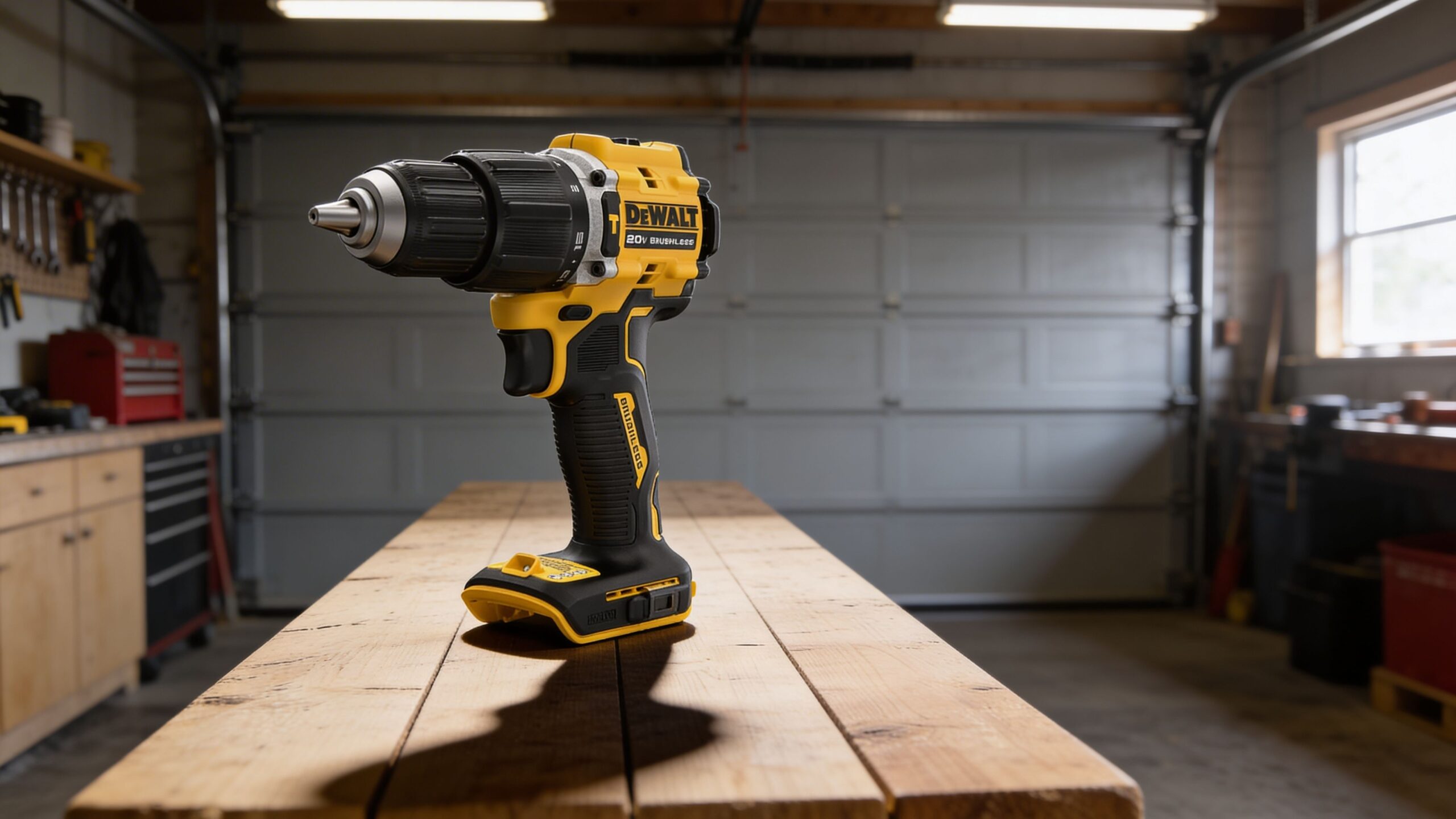
DeWalt DCD996B
Cordless upgrade
Pick this if you want a cordless hammer drill that can handle tougher drilling and driving while staying more mobile than a corded tool. It’s a better fit for ladders, room-to-room work, and grab-and-go projects where an outlet isn’t always convenient.
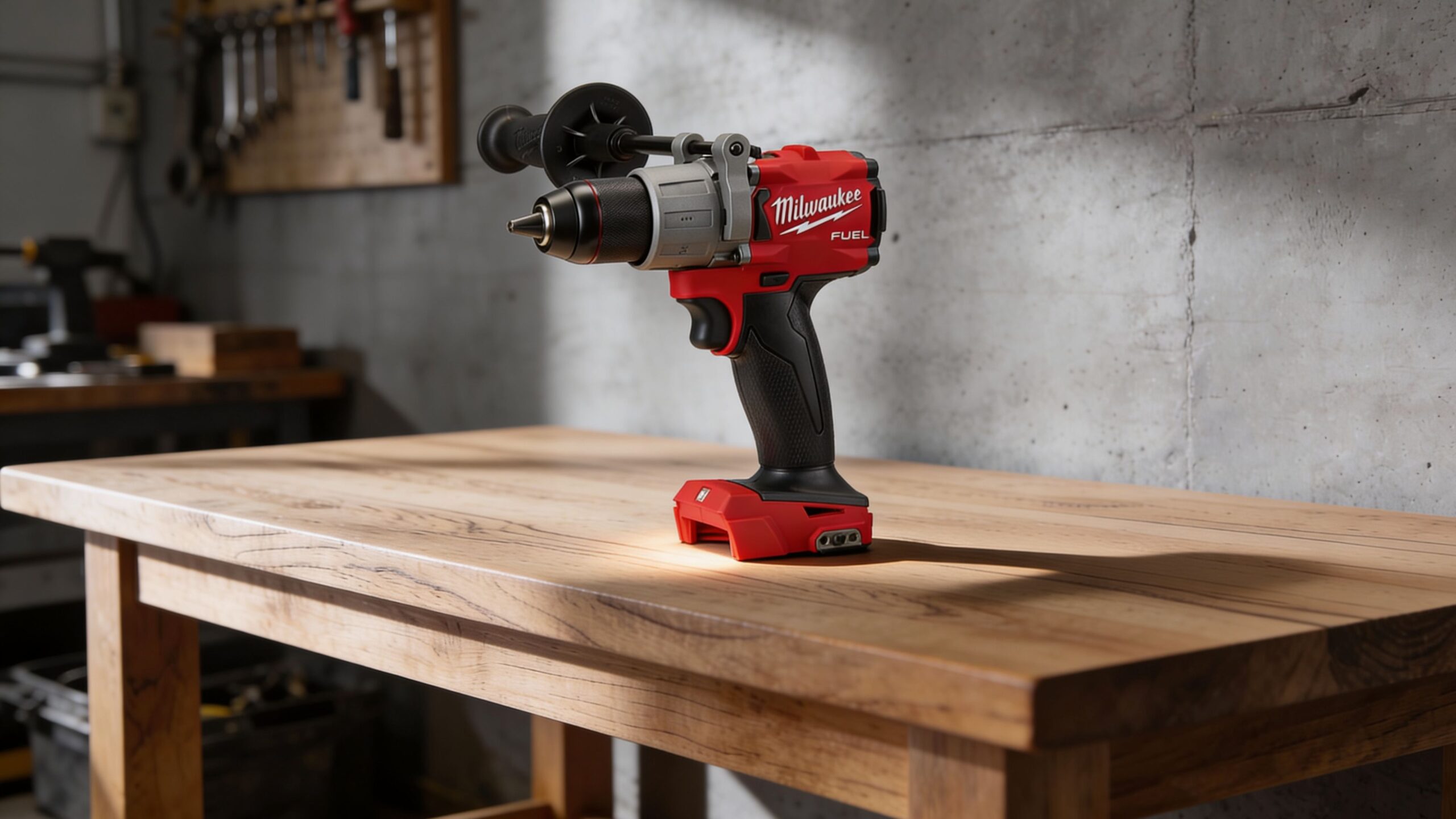
Milwaukee 2804-20
High-output
Choose this if you want a cordless hammer drill that leans into stronger output and a more aggressive work pace. It’s a better match for frequent projects and heavier drilling/fastening, while the Bosch HD18-2 stays appealing when you prefer corded simplicity and steady runtime.
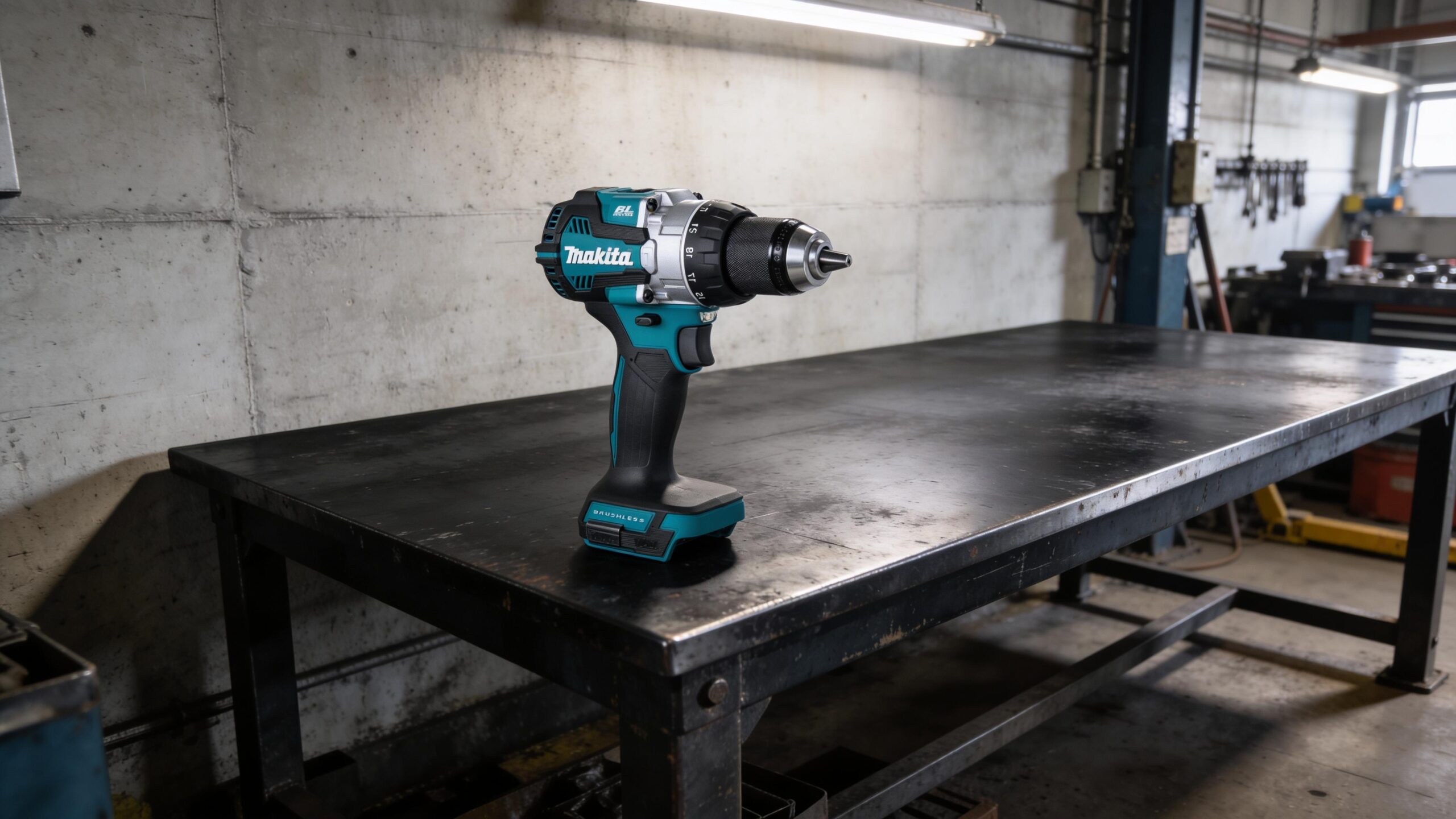
Makita XPH14Z
Refined handling
This is the alternative to consider if you want a cordless hammer drill with a more controlled, balanced feel for mixed tasks. It’s a strong fit for day-to-day drilling and driving where comfort and predictability matter, rather than the always-on nature of a corded tool.
Sources
Sources & reference notes
Specifications and product details referenced in this review were verified using publicly available manufacturer documentation and current product listings. Where configurations or included accessories vary by listing, those differences are noted in the article.
- Bosch — product documentation and published specifications for the Bosch HD18-2 hammer drill.
- General compatibility references for standard chuck bits and common drilling accessories used with corded hammer drills.
- Retail product listings used to confirm current naming, model identifiers, and what’s included in typical packaging.
Where to Buy
Bosch HD18-2
Corded 1/2" Hammer Drill
Typical price range: $89–$169
Pricing varies by retailer and included accessories; corded models do not include batteries or chargers.
Check Current PriceReview Snapshot
Bosch HD18-2
8.2
Steady corded performance
Best for mixed drilling plus occasional masonry work when consistent runtime matters, with the tradeoff of more bulk and cord management.
- Performance: Reliable progress in wood, metal, and light masonry without battery slowdowns
- Handling: Stable with two hands, but can feel tiring in tight or overhead positions
- Value: Makes sense as a dedicated corded drill for regular use, not occasional quick fixes
Top 10 List
See the best hammer drills right now
Want the full picture? Our Top 10 breaks down the best hammer drills for homeowners by performance, value, and real-world use.
View the Top 10Compare Models
Compare this drill head-to-head
See how the Bosch HD18-2 compares directly with the DeWalt DCD996B to evaluate differences in power, handling, and overall value.
View ComparisonsAccessories You’ll Want
- Masonry drill bit set (carbide-tipped bits help start cleaner holes in brick, block, and light concrete)
- High-quality twist bit assortment (improves accuracy in metal and reduces walking at the start of a hole)
- Depth gauge or stop collar set (keeps anchor holes consistent without overdrilling in masonry)
- Auxiliary side handle (adds control and reduces wrist twist when larger bits grab under load)
- Vacuum dust adapter (helps manage masonry dust for cleaner holes and less cleanup indoors)
Tip: With a corded hammer drill, long-term compatibility is mostly about using the right bits and accessories for each material—good masonry bits and dust control can improve results more than upgrading the tool itself.