Electrical Pain TherapyHealthPain Relief

What Makes Electrical Pain Therapy Different from Manual Pain Relief Tools

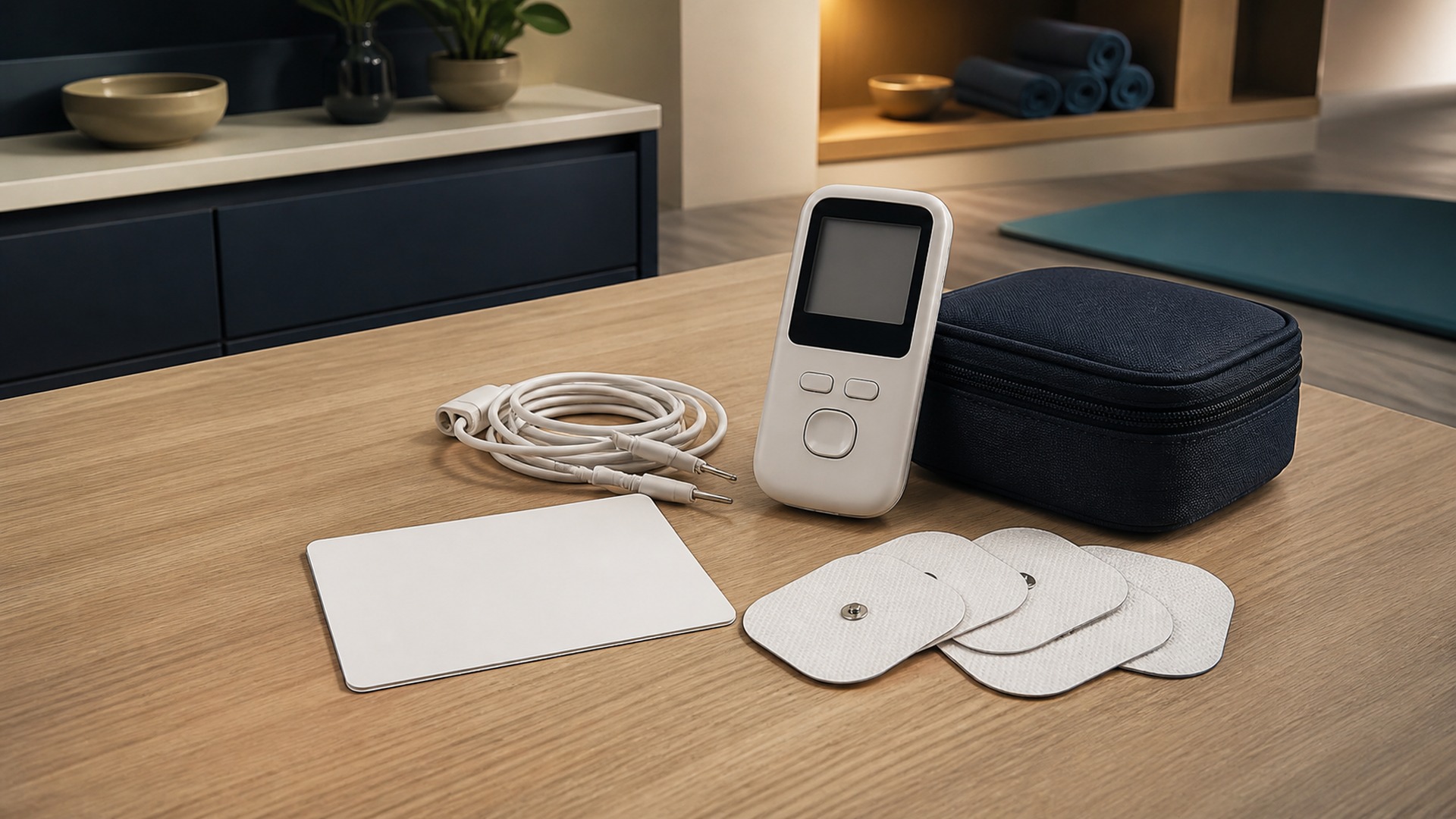
Electrical devices deliver patterned current through electrodes, while manual tools rely on pressure, rolling, or leverage controlled directly by the user. Choosing well requires attention to different mechanisms. For electrical pain therapy, examine electrode and pulse width; for manual pain relief tools, examine contact surface and applied force. Extra capabilities come later, after the use case is specific.


Electrical Pain TherapyHealthPain Relief

What Makes Electrical Pain Therapy Different from Heat Therapy

Electrical therapy is defined by waveform, intensity, and electrode placement; heat therapy is defined by temperature, barrier, contact area, and exposure time. The comparison is governed by different mechanisms. For electrical pain therapy, examine electrode and pulse width; for heat therapy, examine heating element and controller setting. Extra capabilities come later, after the use case is specific.
Electrical Pain TherapyHealthPain Relief

When to Use Electrical Pain Therapy Instead of Foot & Leg Pain Relief

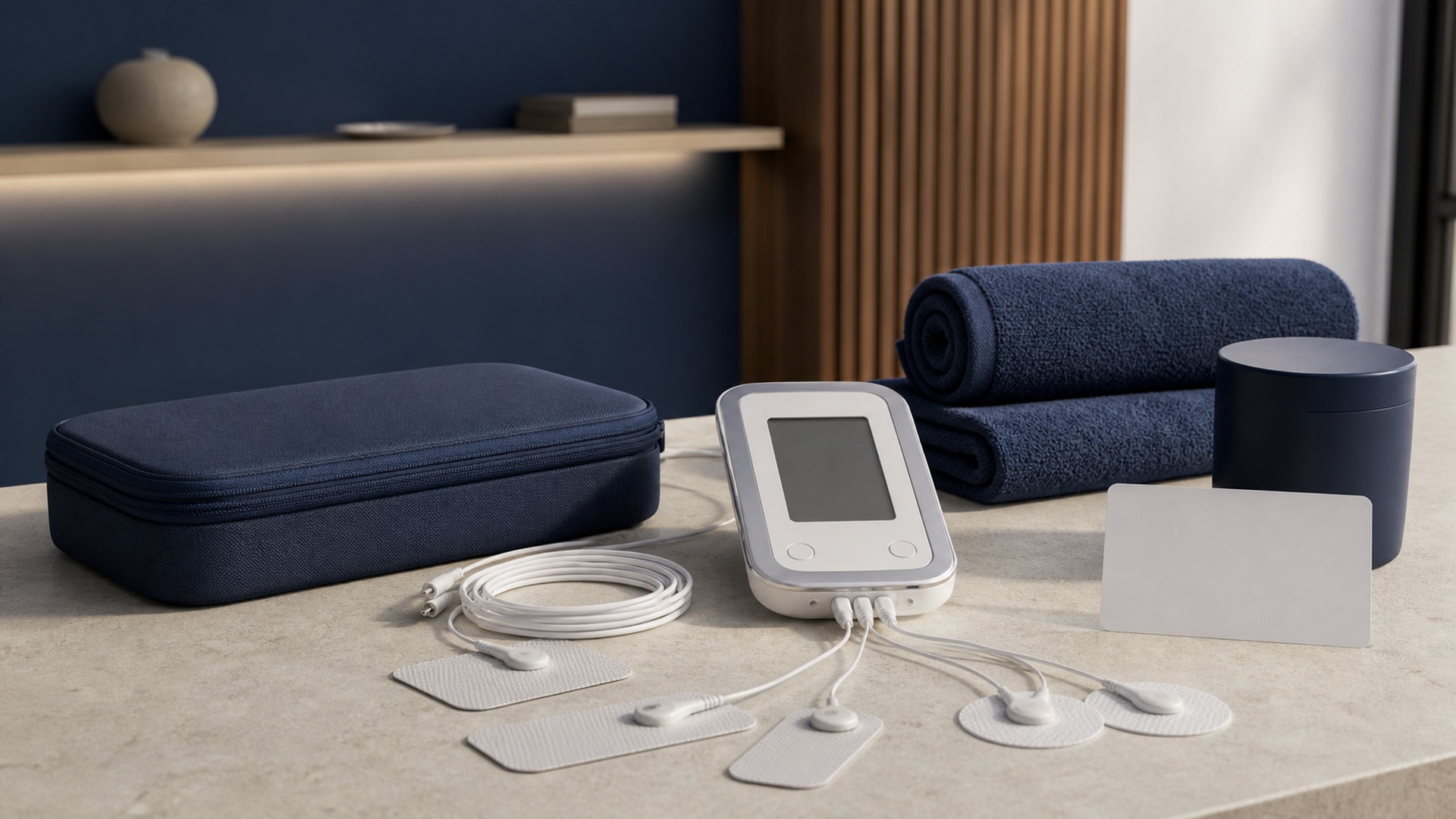
Electrical therapy delivers current through placed electrodes while foot and leg products typically change support pressure compression cushioning or movement in a specific region The word instead makes this a use case decision not a decision driven by specifications alone A situation favors electrical pain therapy when the required job is to deliver low level external electrical pulses through skin electrodes to influence sensory.

Electrical Pain TherapyHealthPain Relief

When to Use Electrical Pain Therapy Instead of Cold Therapy

Electrical therapy applies adjustable pulses without intentionally changing tissue temperature cold therapy cools a localized area and has separate frostbite circulation and rewarming considerations The word instead makes this a use case decision not a search for the longest specification list A situation favors electrical pain therapy when the required job is to deliver low level external electrical pulses through skin electrodes to influence.

Electrical Pain TherapyHealthPain Relief

Why Electrical Pain Therapy Electrical Pain Therapy Daily Routine Matters

For electrical pain therapy a sound approach must inspect the device and skin place intact electrodes as directed start at low intensity increase only to a strong comfortable level time the session remove pads safely and record response The analysis gives priority to the recurring sequence It uses electrode pulse width and pulse rate to explain what changes the outcome where uncertainty enters and.

Electrical Pain TherapyHealthPain Relief

Why Electrical Pain Therapy Electrical Pain Therapy Measurement Context Matters

For electrical pain therapy, a sound approach must document device type, waveform, pulse rate, pulse width, intensity, electrode location, session duration, skin response, symptom change, function, and concurrent treatment. This explainer centers on the interpretation of results. It uses electrode, pulse width, and pulse rate to explain what changes the outcome, where uncertainty enters, and which response is proportionate.

Electrical Pain TherapyHealthPain Relief

Why Electrical Pain Therapy Electrical Pain Therapy Health Function Matters

For electrical pain therapy a sound approach must deliver low level external electrical pulses through skin electrodes to influence sensory signaling or muscle response for temporary symptom management with results depending on placement settings and the condition Here the main issue is the claimed health role It uses electrode pulse width and pulse rate to explain what changes the outcome where uncertainty enters and.

Electrical Pain TherapyHealthPain Relief

How Electrical Pain Therapy Works

Electrical Pain Therapy products deliver low-level external electrical pulses through skin electrodes to influence sensory signaling or muscle response for temporary symptom management, with results depending on placement, settings, and the condition. Here, the main issue is the operating sequence. It uses electrode, pulse width, and pulse rate to explain what changes the outcome, where uncertainty enters, and which response is proportionate.