
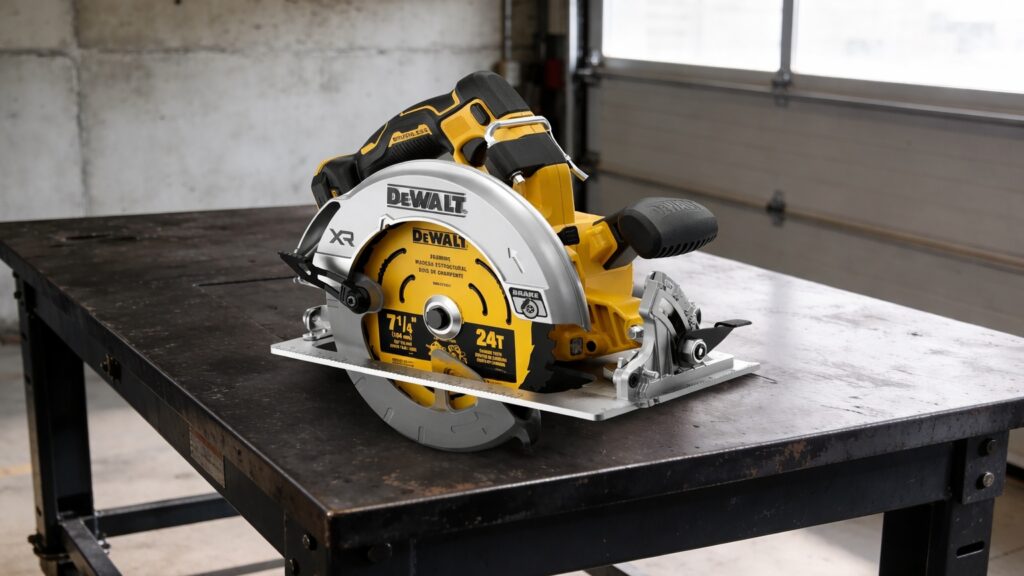
The DeWalt DWE575SB is a lightweight circular saw built for jobsite reliability, but how does it perform across varied cutting tasks? This review examines its power, handling, and design tradeoffs in real-world use, highlighting where it excels, where it falls short, and how it compares in practical decision-making scenarios.
DeWalt DWE575SB Circular Saw Review: Performance, Pros, and Cons
By: Review Streets Research Lab
Updated: April 2, 2026
Approx. 8–10 min read
Quick Summary
The DeWalt DWE575SB presents as a dependable, jobsite-ready circular saw with a balanced feel, confident tracking, and manageable weight over longer cutting sessions. It suits framing, sheet goods, and general remodel work well, though buyers prioritizing maximum cutting speed or the lightest possible setup may notice some tradeoffs in all-day use.
8.9
Score
Best for: Daily jobsite use
Pros & Cons
DeWalt DWE575SB: what we liked (and what we didn’t)
A quick look at the biggest strengths and tradeoffs based on performance, handling, and everyday usability.
Pros
- Balanced Handling: Feels controlled through long rip cuts and repeated framing work.
- Confident Tracking: Stays steady on common jobsite cuts, which helps support cleaner, straighter results.
- Manageable Weight: Easier to carry, reposition, and use over longer sessions than bulkier saws.
- Jobsite Readiness: Comes across as dependable for regular remodel work and general construction tasks.
- Smooth Operation: Starts and moves through cuts with a composed feel that supports workflow confidence.
Cons
- Not Ultra-Compact: Still takes some room to maneuver when working in tighter spaces.
- Moderate Vibration: Extended cutting sessions may feel less refined than more premium-feeling options.
- Value Tension: Shoppers focused mainly on price may find comparable everyday performance for less.
- Power Tradeoff: Handles typical work well, but buyers chasing maximum cutting authority may want more.
Specs
DeWalt DWE575SB key specifications
These are the core specs and practical details most buyers compare across full-size corded circular saws.
| Spec | DeWalt DWE575SB |
|---|---|
| Type | Corded circular saw (sidewinder) |
| Platform | Corded AC power |
| Voltage | 120V AC |
| Speed | Approx. 5,200 RPM no-load |
| Chuck | N/A; 7-1/4" blade arbor design |
| Torque | Not typically manufacturer-rated for this category |
| Length | Full-size 7-1/4" class |
| Weight | Approx. 8.8 lbs |
| Clutch settings | None; depth and bevel adjustments instead |
| LED light | No |
| Included | Saw, blade, wrench, and carrying bag |
| Best use | Framing, sheet goods, general carpentry, and remodel work |
| Warranty | DeWalt limited warranty (varies by region/product) |
Performance
How the DeWalt DWE575SB performs
We looked at cutting feel, tracking, handling, and everyday usability across common framing, sheet goods, and remodel tasks to understand how this circular saw performs in typical real-world use.
Cutting Speed
Moves through common lumber and sheet materials with solid pace and a steady feel.
Power Under Load
Handles routine jobsite cuts confidently, with good composure before feeling strained.
Control & Handling
Easy to guide on straight cuts, with a balanced feel that supports predictable control.
Balance & Comfort
Comfortable enough for repeat cuts, though longer sessions can still wear on the user.
Noise & Vibration
Reasonably controlled for the class, but still loud and somewhat fatiguing in extended use.
Overall Performance
A dependable, jobsite-ready saw that delivers strong everyday results with few surprises.
Testing note: Performance observations are based on real-world cutting, setup, and handling impressions across typical construction and remodeling tasks over repeated use.
Build Quality
Build quality & durability
The DeWalt DWE575SB feels built for regular jobsite use. Its overall construction comes across as sturdy and well sorted, with a planted feel in hand that supports confident setup, controlled cuts, and less second-guessing during everyday work.
Key touchpoints—handles, adjustment controls, and shoe assembly—feel solid with little looseness or cheapness in normal handling. The saw gives the impression of consistent fit and finish, which helps it feel more trustworthy when making repeated depth and angle adjustments.
In routine transport and use, it presents as the kind of tool that can tolerate dust, bench contact, and frequent repositioning without feeling delicate. Heat, vibration, and general wear feel in line with a serious corded saw rather than something that needs careful treatment.
Compared with lighter-duty options, the DWE575SB leans toward durability and steadiness without becoming excessively burdensome. It still asks for some effort over long sessions, but that tradeoff helps give it the more reassuring, work-ready character many buyers want.
Setup & Maintenance
Setup, daily use, and upkeep
The DeWalt DWE575SB is straightforward to set up—most adjustments come down to blade depth, bevel angle, and choosing the right blade for the material. Dialing these in correctly leads to smoother cuts, better tracking, and more consistent results across common jobsite tasks.
Best setup for common tasks
- Sheet Goods: Set blade depth just past the material thickness to reduce tear-out and improve control.
- Framing Cuts: Use a general-purpose blade and keep the shoe flat for straighter, more stable cuts.
- Bevel Cuts: Lock the angle firmly before cutting and check alignment to avoid drift mid-cut.
- Finish Work: Swap to a finer-tooth blade and slow your feed rate for cleaner edges.
What to do for smoother starts
- Steady Entry: Let the blade reach full speed before contacting the material to avoid grabbing.
- Guide The Shoe: Keep the base plate flat and aligned with your cut line from the start.
- Light Pressure: Ease into the cut and let the saw advance naturally to maintain control.
Maintenance (simple but important)
- Blade Condition: Replace or clean blades regularly to maintain smooth cutting and reduce strain.
- Dust Clearing: Brush off buildup around guards and vents to keep movement and airflow consistent.
- Cord Check: Inspect for wear or kinks to ensure safe, uninterrupted operation.
- Base Plate Care: Keep the shoe clean and free of debris so it glides smoothly across surfaces.
Tip: Use two hands, keep the base plate fully supported, and maintain a steady feed rate. This helps prevent binding, improves cut accuracy, and reduces the chance of the saw shifting off your line mid-cut.
Real-World Use
Where the DeWalt DWE575SB fits best
On paper, the DeWalt DWE575SB is a full-size corded circular saw. In real projects, it stands out where steady control, consistent cutting power, and predictable handling matter more than cordless convenience.
Framing and general construction
Well suited for cutting dimensional lumber and repetitive framing tasks. The saw maintains a steady feel across longer cuts, helping support consistent results without constant correction.
Sheet goods and remodel work
Handles plywood, OSB, and similar materials with reliable tracking. It’s a practical choice for flooring, subfloor, and panel work where clean, controlled passes improve overall workflow.
Garage and DIY projects
A strong fit for larger home projects that demand repeat cuts and dependable performance. It feels more planted than lighter saws, which can help improve confidence when working through bigger builds.
Where it’s less ideal
If portability or tight-space maneuvering is a priority, the cord and full-size footprint can feel limiting. Smaller cordless saws may be easier to manage for quick cuts or overhead work.
Value
Is the DeWalt DWE575SB worth it?
The DeWalt DWE575SB makes the most sense when it will see regular use on framing, sheet goods, and remodel tasks where steady performance and dependable handling matter day after day. For occasional cutting or lighter weekend projects, a less expensive saw may cover the basics without giving up much that feels important.
Price-to-performance takeaway
You’re paying for a more confidence-inspiring cut feel, solid day-to-day durability, and the kind of consistency that matters when the saw is used often. The value is easier to justify when the saw will be a regular part of the workflow, especially compared with lower-cost options that may feel less refined over time.
Tip: Compare what comes in the box before buying. A saw that includes a usable blade and storage bag can offer better practical value than a lower-priced option that requires immediate add-ons.
FAQ
DeWalt DWE575SB FAQ
Quick answers to the most common questions about the DeWalt DWE575SB—use cases, everyday expectations, and the tradeoffs that matter most to buyers.
Is the DeWalt DWE575SB a corded circular saw?
Yes. The DWE575SB is a corded sidewinder circular saw, so it runs from wall power rather than a battery platform. That makes it a practical choice for longer cutting sessions where steady power matters.
What kind of projects is it best for?
It fits best on framing, sheet goods, subfloor, and general remodel work where a full-size saw offers better control and more consistent cutting feel than lighter-duty options.
Is it a good choice for DIY work?
Yes, especially for larger home projects that involve repeated cutting. It may be more saw than necessary for occasional light tasks, but it gives room to take on more demanding work without stepping up later.
Does it work well for long cutting sessions?
Generally, yes. Its corded design supports steady output over repeated cuts, and the overall handling is well suited to longer work periods, though users will still notice fatigue during extended sessions.
Is it overkill for quick occasional cuts?
It can be. For quick trim tasks or infrequent use, a smaller or more compact saw may feel easier to store, carry, and pull out on short notice.
What should I look for when buying?
Check what is included in the box, especially whether it comes with a usable blade and storage bag. Those extras can affect the overall value more than a small difference in shelf price.
What are the most common downsides?
The main tradeoffs are the cord, full-size footprint, and the fact that it is less convenient in tight spaces than smaller cordless saws. Buyers prioritizing portability may notice those limits first.
Alternatives
Best alternatives to the DeWalt DWE575SB
If you like the DeWalt DWE575SB’s overall balance but want a different tradeoff—lower cost, cordless portability, or a more torque-focused cutting feel—these are the most relevant alternatives to consider.
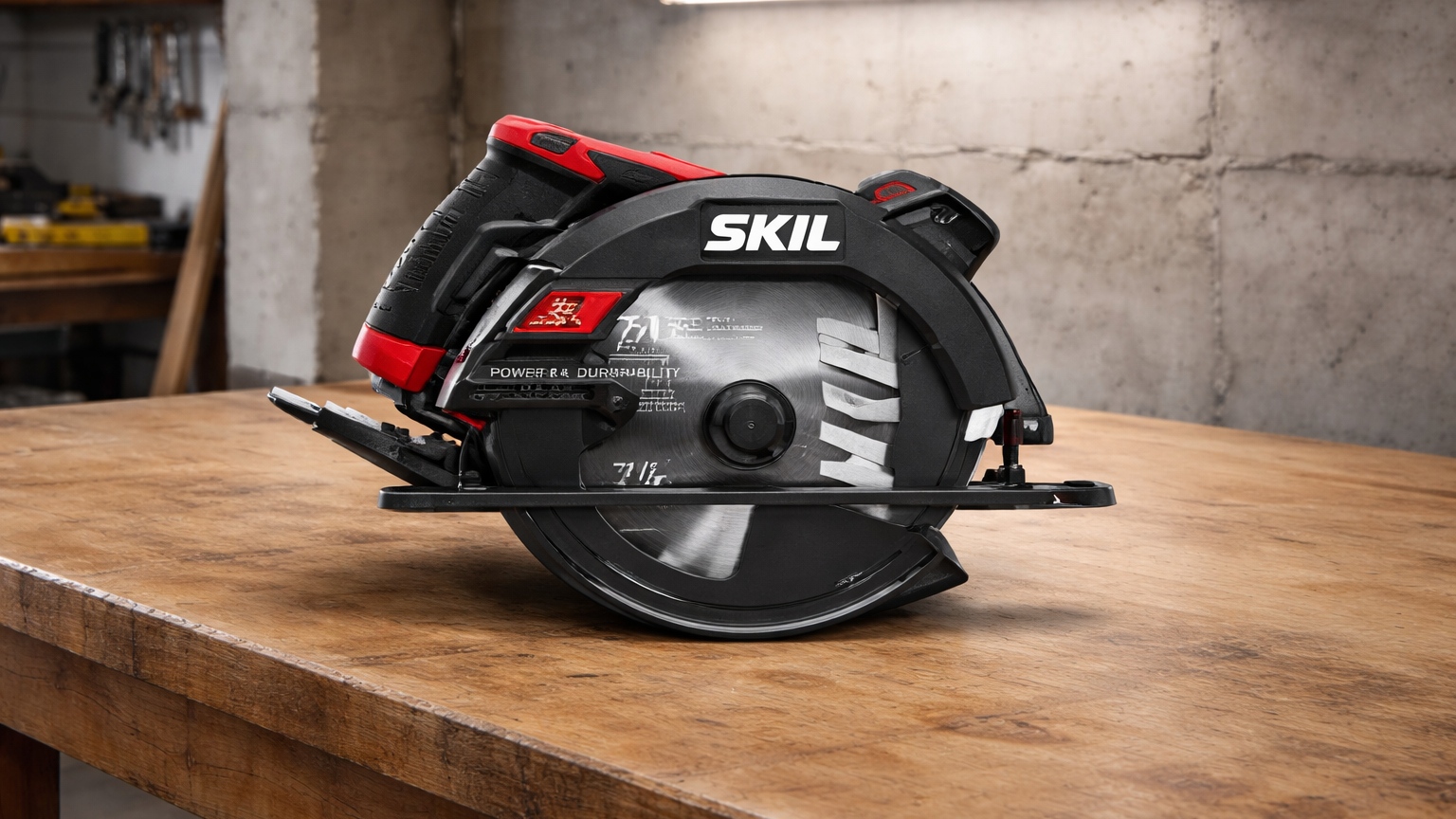
Skil 5280-01
Best value
A sensible alternative for buyers who want a capable full-size corded saw at a lower cost. It makes more sense when budget matters more than the more settled, work-ready feel the DWE575SB tends to offer.
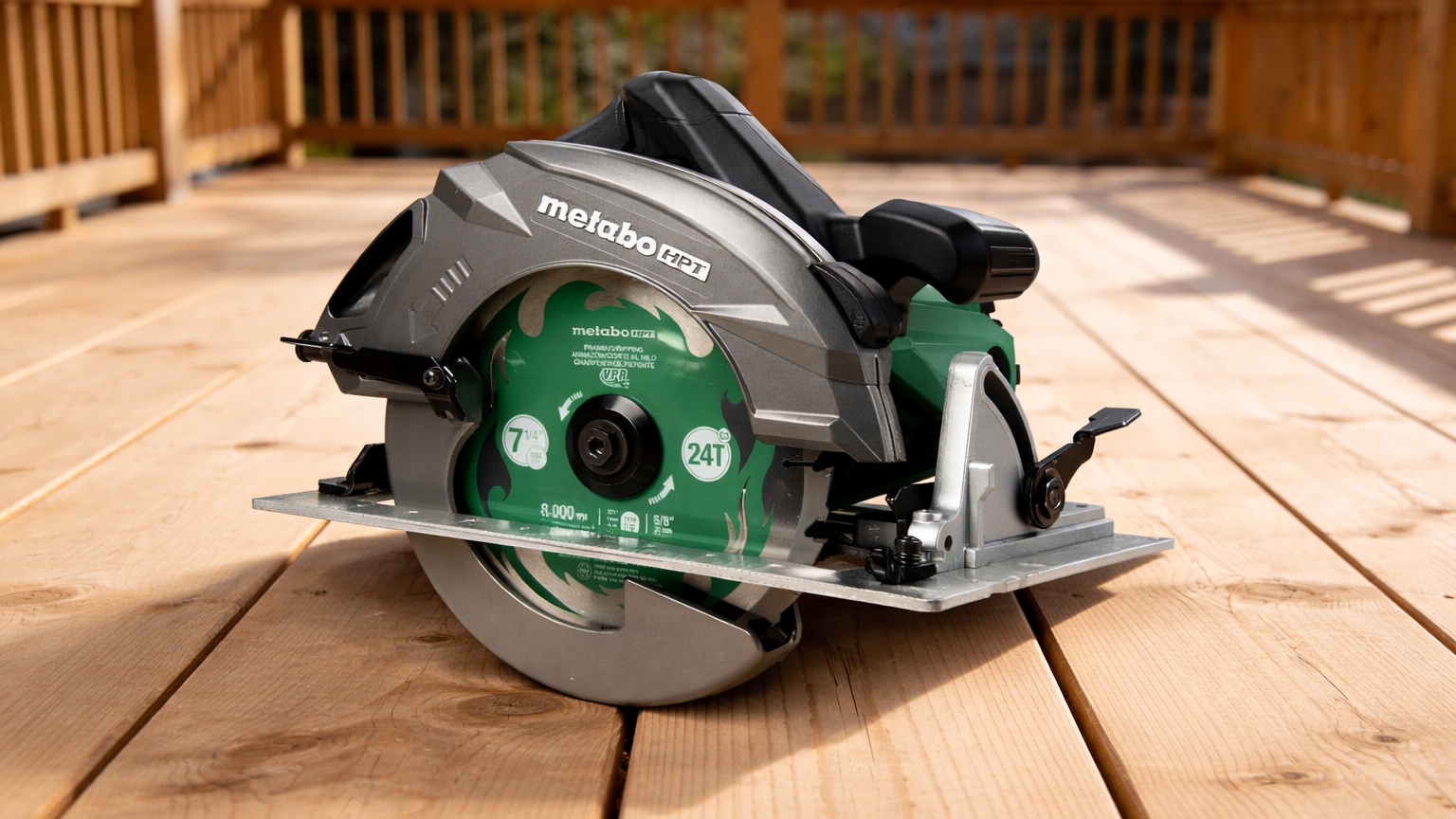
Metabo HPT 7CUR
Lighter feel
A better choice if lower weight and easier handling matter more than raw cutting presence. It feels more manageable during repeated cuts and extended sessions, especially for users who prioritize control over a more planted, heavier saw feel.
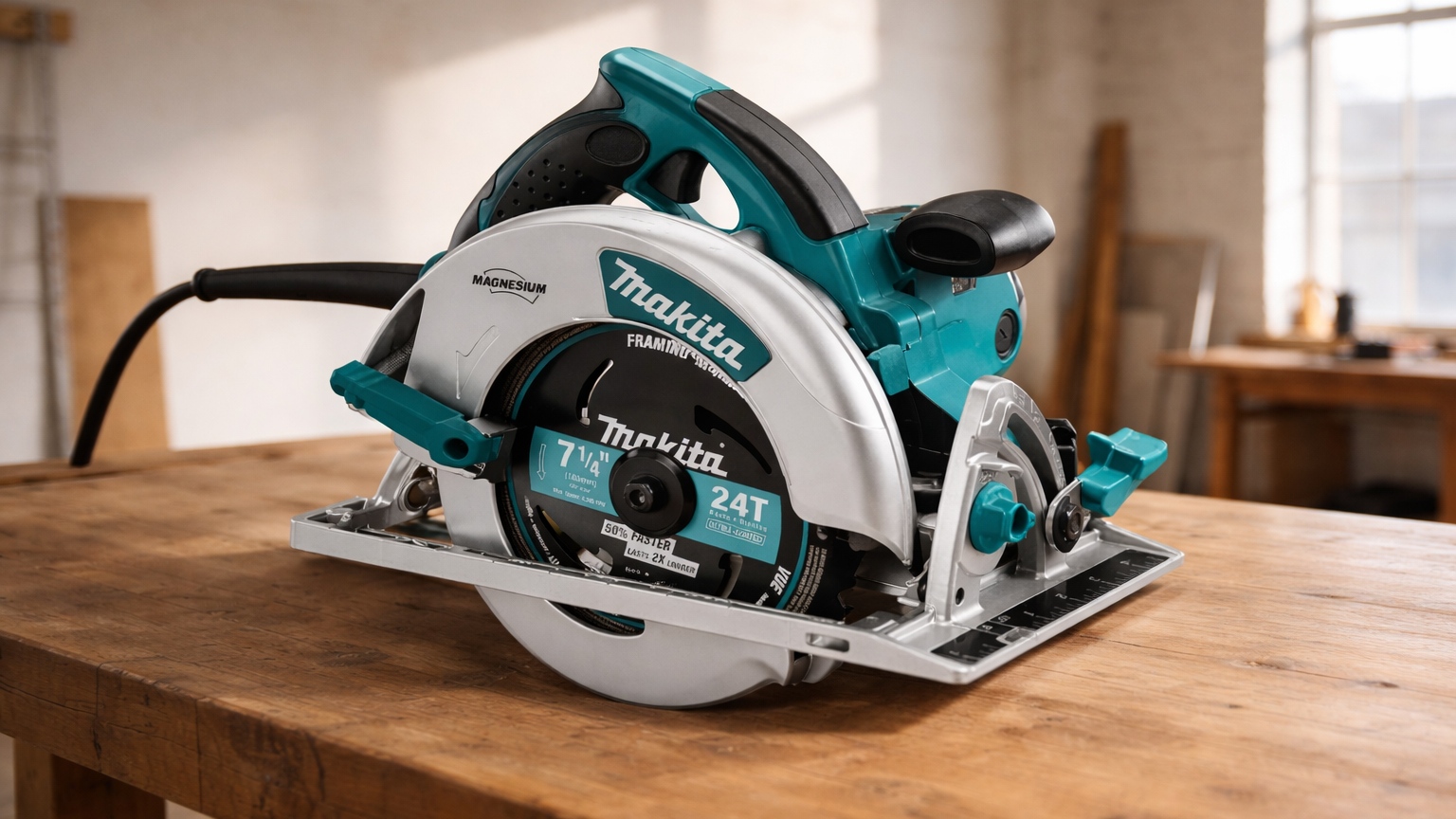
Makita 5007MG
More refined
A step up in smoothness and overall cutting feel, with more consistent tracking and better long-session comfort. It suits buyers who want a more composed saw for frequent use rather than a basic, entry-level experience.
Sources
Sources & reference notes
Specifications and product details referenced in this review were verified using manufacturer documentation and current retail listings. Where configurations or included accessories vary, those differences are noted within the article.
- DeWalt — DWE575SB circular saw product documentation and published specifications.
- General corded circular saw category references for blade compatibility, operation, and usage expectations.
- Retail product listings used to confirm current naming, SKU variations, and included accessories.
Where to Buy
DeWalt DWE575SB
Circular Saw
Typical price range: $129–$179
Pricing varies by retailer and included accessories.
Check Current PriceReview Snapshot
DeWalt DWE575SB
8.9
Balanced cut feel
Best for regular framing and remodel cuts where steady handling matters more than cordless convenience.
- Performance: Cuts common lumber and sheet goods with dependable pace and control
- Handling: Comfortable for repeat work, though still less nimble than smaller saws
- Value: Best for buyers who will use a corded saw often enough to justify the step up
Top 10 List
See the best circular saws right now
Want the broader view? Our Top 10 covers the standout circular saws across performance, value, and everyday jobsite use.
View the Top 10Compare Models
Compare this saw head-to-head
See how the DeWalt DWE575SB stacks up against other top circular saws across cutting feel, handling, and overall value.
View ComparisonsAccessories You’ll Want
- General-purpose blade set (keeps you ready for framing cuts, sheet goods, and cleaner everyday work)
- Fine-finish blade (helps reduce tear-out when cleaner edges matter on visible cuts)
- Straightedge guide (makes long rip cuts easier to control and more consistent)
- Sawhorses or cutting support (improves material stability and helps prevent binding during longer cuts)
- Spare blade wrench (makes blade changes less frustrating when the original goes missing on site)
Tip: Blade choice and fit matter more than most buyers expect—keeping the right blade type on hand for the material usually improves cut quality, control, and day-to-day satisfaction more than changing saws.