
The SKIL 5280-01 is evaluated through a practical lens, focusing on cutting performance, handling, and consistency across common jobsite tasks. This review examines how it compares in real use, highlighting where it delivers reliable results, where compromises appear, and how those tradeoffs influence overall suitability.
SKIL 5280-01 Circular Saw Review: Performance, Pros, and Cons
By: Review Streets Research Lab
Updated: April 2, 2026
Approx. 8–10 min read
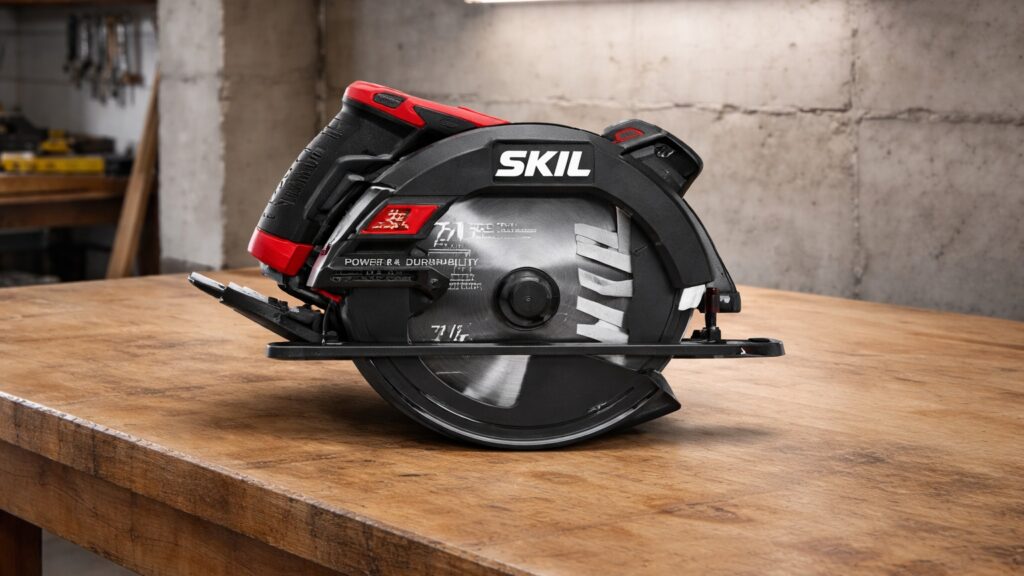
Quick Summary
The SKIL 5280-01 offers a straightforward, confidence-building cutting experience for general home projects, sheet goods, and routine framing tasks. It feels capable enough for occasional heavier cuts, with approachable handling and solid everyday usability, though its refinement and long-session comfort are more modest than higher-end professional options.
8.2
Score
Best for: Budget DIY
Pros & Cons
SKIL 5280-01: what we liked (and what we didn’t)
A quick look at the biggest strengths and tradeoffs based on performance, handling, and everyday usability.
Pros
- Approachable Handling: Feels manageable for routine cuts, making it easier to stay controlled on common home projects.
- Capable Everyday Cutting: Delivers enough real-world cutting strength for sheet goods, framing lumber, and general repair work.
- Good Value: Offers a practical balance of usable performance and affordability for buyers who do not need pro-tier refinement.
- Confident Tracking: Stays predictable through straight cuts when guided carefully, which helps support cleaner, more consistent results.
- Project Flexibility: Suits a wide range of occasional workshop and jobsite tasks without feeling overly specialized.
Cons
- Modest Refinement: The overall cutting feel is less polished than higher-end saws, especially during repeated or more demanding use.
- Long-Session Fatigue: Extended cutting sessions can feel more tiring than with better-balanced, more ergonomic premium models.
- Less Composed Under Load: Heavier material and tougher cuts can reveal more strain and less smoothness than stronger professional options.
- Entry-Level Feel: Build confidence is solid for casual use, but it does not project the same durability impression as more robust jobsite saws.
Specs
SKIL 5280-01 key specifications
These are the core specs and practical details most buyers compare across entry-level circular saws.
| Spec | SKIL 5280-01 |
|---|---|
| Type | Corded circular saw |
| Platform | SKIL corded lineup |
| Voltage | 120V corded power |
| Speed | Single-speed, manufacturer-rated high-RPM operation |
| Chuck | N/A — blade-mounted arbor design |
| Torque | Not typically listed for this category |
| Length | Approx. full-size sidewinder format |
| Weight | Approx. 8.7 lbs; typical for an entry-level corded saw |
| Clutch settings | N/A — depth and bevel adjustments instead |
| LED light | No integrated LED work light |
| Included | Saw, carbide blade, and blade wrench |
| Best use | General DIY cutting, sheet goods, framing lumber, and home projects |
| Warranty | SKIL limited warranty (varies by region/product) |
Performance
How the SKIL 5280-01 performs
We evaluated cutting consistency, control, handling, and overall usability across common DIY and light construction tasks to understand how this circular saw performs in real-world conditions.
Cutting Speed
Moves through plywood and standard lumber at a steady pace, with consistent progress on typical home projects.
Power Under Load
Handles routine cuts reliably, though thicker or denser materials require a more measured feed to stay smooth.
Control & Handling
Feels predictable in straight cuts, with manageable weight and grip that support confident guiding.
Balance & Comfort
Comfortable for shorter sessions, though extended use can introduce fatigue compared to more refined designs.
Noise & Vibration
Noticeable vibration and typical corded saw noise, especially when pushing through tougher cuts.
Overall Performance
A dependable performer for general-purpose cutting, with solid everyday usability and a few limitations under heavier demand.
Testing note: Performance observations are based on real-world cutting tasks across sheet goods, dimensional lumber, and repeat-use scenarios typical of home and light jobsite work.
Build Quality
Build quality & durability
The SKIL 5280-01 feels built for practical, routine use rather than heavy professional abuse. The housing gives a reasonably solid impression in hand, and the overall layout inspires enough confidence for common cutting tasks without feeling especially overbuilt.
Key contact points—main handle, adjustment levers, and shoe assembly—feel functional and straightforward, though not especially refined. The controls are usable and easy to understand, but the overall fit and finish reflects its more affordable positioning rather than a premium, tightly finished tool.
In everyday use, it comes across as durable enough for garage storage, transport between work areas, and repeated weekend projects. It does not feel delicate, but it also benefits from a bit more care than heavier-duty saws built for constant jobsite wear and rougher handling.
Compared with more rugged professional circular saws, the 5280-01 favors accessibility and manageable everyday ownership over maximum toughness. That tradeoff makes sense for buyers who want a dependable saw for regular home use without stepping into a heavier, more expensive class.
Setup & Maintenance
Setup, daily use, and upkeep
The SKIL 5280-01 is straightforward to get working well—most of the setup comes down to choosing the right blade, setting depth and bevel carefully, and supporting the material properly before the cut. Small adjustments here make a noticeable difference in cut quality, control, and how smoothly the saw tracks through everyday tasks.
Best setup for common tasks
- Sheet Goods: Set blade depth just below the material and support the panel fully to reduce tear-out and binding.
- Framing Cuts: Use a sharp general-purpose blade, keep the shoe flat, and guide the saw at a steady feed rate.
- Bevel Cuts: Confirm the bevel setting before starting and make a slower, more deliberate pass to keep the line clean.
- Finish Work: Swap to a finer-tooth blade and clamp a straightedge in place for cleaner edges and better tracking.
What to do for smoother starts
- Check Blade Depth: Avoid running too much blade below the workpiece, which can make starts feel rougher and less controlled.
- Let It Reach Speed: Bring the saw up to full speed before entering the cut so the blade tracks more cleanly from the start.
- Support Both Sides: Keep offcuts and the main workpiece properly supported so the blade does not pinch as the cut opens.
Maintenance (simple but important)
- Blade Condition: Replace dull or pitch-covered blades promptly to keep cuts cleaner and reduce strain on the saw.
- Shoe Cleanliness: Wipe the base plate regularly so dust buildup does not affect glide or mark finished surfaces.
- Guard Movement: Check that the lower guard moves freely and clear away debris that could slow its return.
- Cord Care: Inspect the power cord for twists, abrasion, or cuts so the saw remains safe and dependable in regular use.
Tip: Use two hands, keep the shoe planted flat, and guide the saw with steady forward pressure rather than forcing it. That approach improves line control, reduces wandering at the start of the cut, and helps prevent blade bind-ups in heavier material.
Real-World Use
Where the SKIL 5280-01 fits best
On paper, the SKIL 5280-01 is a straightforward corded circular saw. In real projects, it performs best when clean, controlled cuts and reliable everyday usability matter more than maximum power or premium refinement.
Home projects and repairs
Well-suited for cutting plywood, trimming boards, and handling common repair tasks. It offers predictable control and enough cutting strength to keep projects moving without requiring advanced technique or constant adjustment.
Garage builds and workshop use
A practical choice for building shelving, workbenches, and basic shop furniture. It handles repeated cuts consistently, especially when paired with a straightedge or guide for improved accuracy.
Occasional framing and lumber work
Capable of working through dimensional lumber for small framing tasks, provided the feed rate stays controlled. It delivers steady results but benefits from a measured pace on thicker material.
Where it’s less ideal
Less suited for demanding, all-day cutting or precision-heavy finish work where smoother operation and reduced fatigue are more important. Higher-end saws feel more composed under load and more refined over longer sessions.
Value
Is the SKIL 5280-01 worth it?
The SKIL 5280-01 makes the most sense when the goal is dependable cutting for home projects, repairs, and occasional workshop use without paying for professional-grade refinement. If cutting demands are infrequent and straightforward, its value is easy to justify. If smoother operation, heavier-duty durability, or all-day use matter more, spending more can make sense.
Price-to-performance takeaway
What buyers are really paying for here is accessible, usable cutting performance at a lower entry cost, not premium fit and finish or top-tier long-session comfort. The value shows up most clearly for straightforward ownership: a corded saw with no battery platform buy-in, no charger decisions, and enough capability for common cutting tasks.
Tip: Compare the full package, not just the saw itself. A lower-cost corded model can be the better buy when project frequency is moderate and there is no need to invest in a cordless platform, spare batteries, or ecosystem-specific accessories.
FAQ
SKIL 5280-01 FAQ
Quick answers to the most common questions about the SKIL 5280-01—use cases, everyday expectations, and the tradeoffs that matter most.
Is the SKIL 5280-01 a corded circular saw?
Yes. The 5280-01 is a corded circular saw, which means it delivers continuous power without battery management but requires access to an outlet or extension cord.
Is it suitable for general home projects?
Yes. It fits well for common cutting tasks such as sheet goods, framing lumber, simple repairs, and garage projects where dependable everyday performance matters more than premium refinement.
Can it handle tougher cuts?
It can manage heavier material within reason, but it feels most comfortable when the cut is guided at a steady, controlled pace rather than pushed aggressively through dense stock.
Who is this saw best for?
It makes the most sense for buyers who want an affordable, full-size circular saw for recurring DIY use, workshop projects, and occasional light construction tasks.
Is it overkill for very basic use?
For very occasional cuts, it may be more saw than necessary, but it still offers practical value if there is a chance projects will grow beyond quick, one-off household tasks.
What should I look for when buying?
Focus on the overall package rather than just the saw body. Blade quality, included accessories, and how the saw feels in hand can matter as much as the core tool for everyday ownership.
What are the most common downsides?
The usual tradeoffs are a less refined cutting feel, more noticeable vibration and noise, and lower long-session comfort than more expensive professional-grade circular saws.
Alternatives
Best alternatives to the SKIL 5280-01
If the SKIL 5280-01 fits your needs but you want a different balance of weight, refinement, or cutting feel, these alternatives represent meaningful tradeoffs in everyday use.
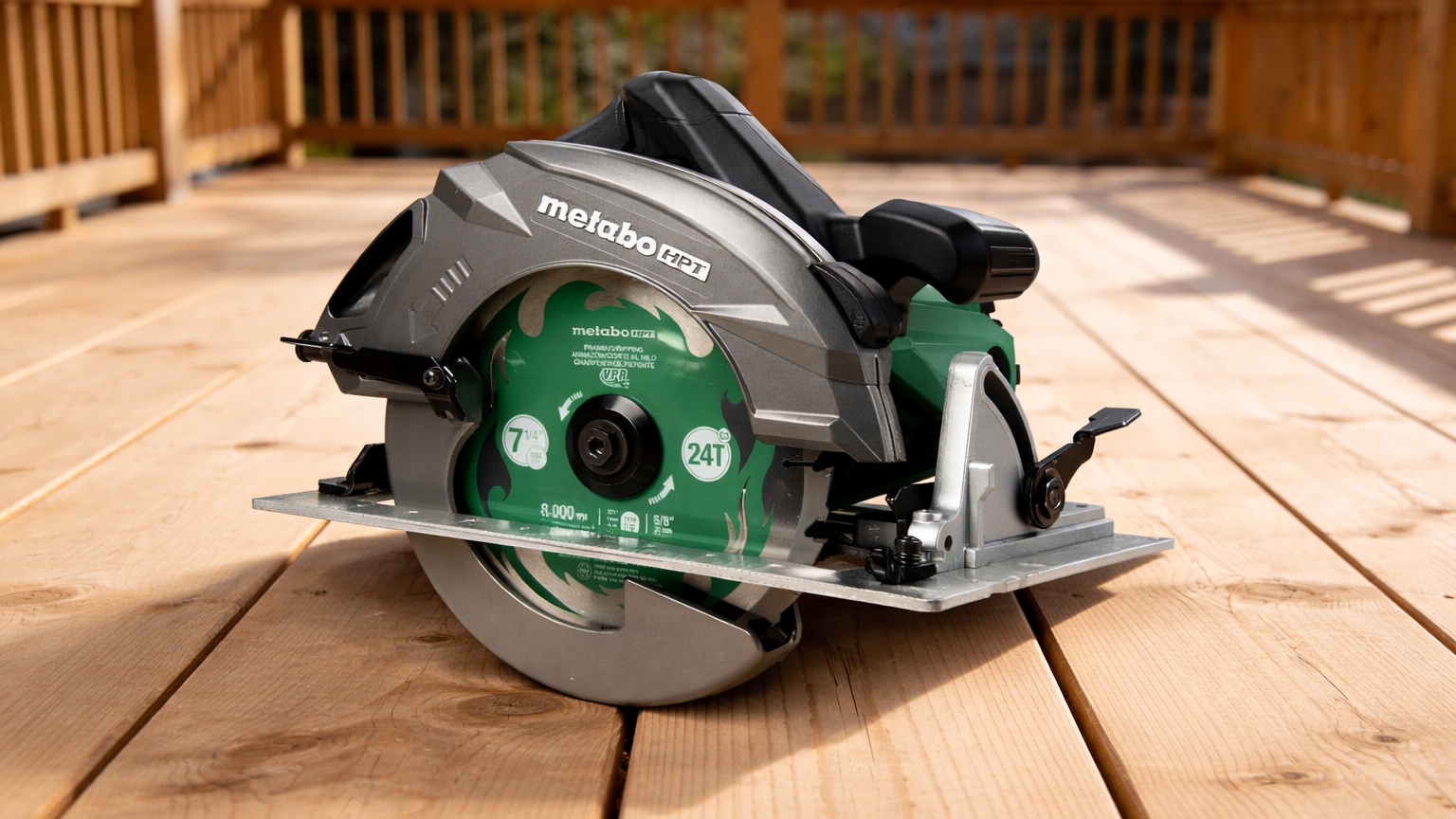
Metabo HPT 7CUR
Lighter feel
A better choice if lower weight and easier handling matter more than raw cutting presence. It feels more manageable during repeated cuts and extended sessions, especially for users who prioritize control over a more planted, heavier saw feel.
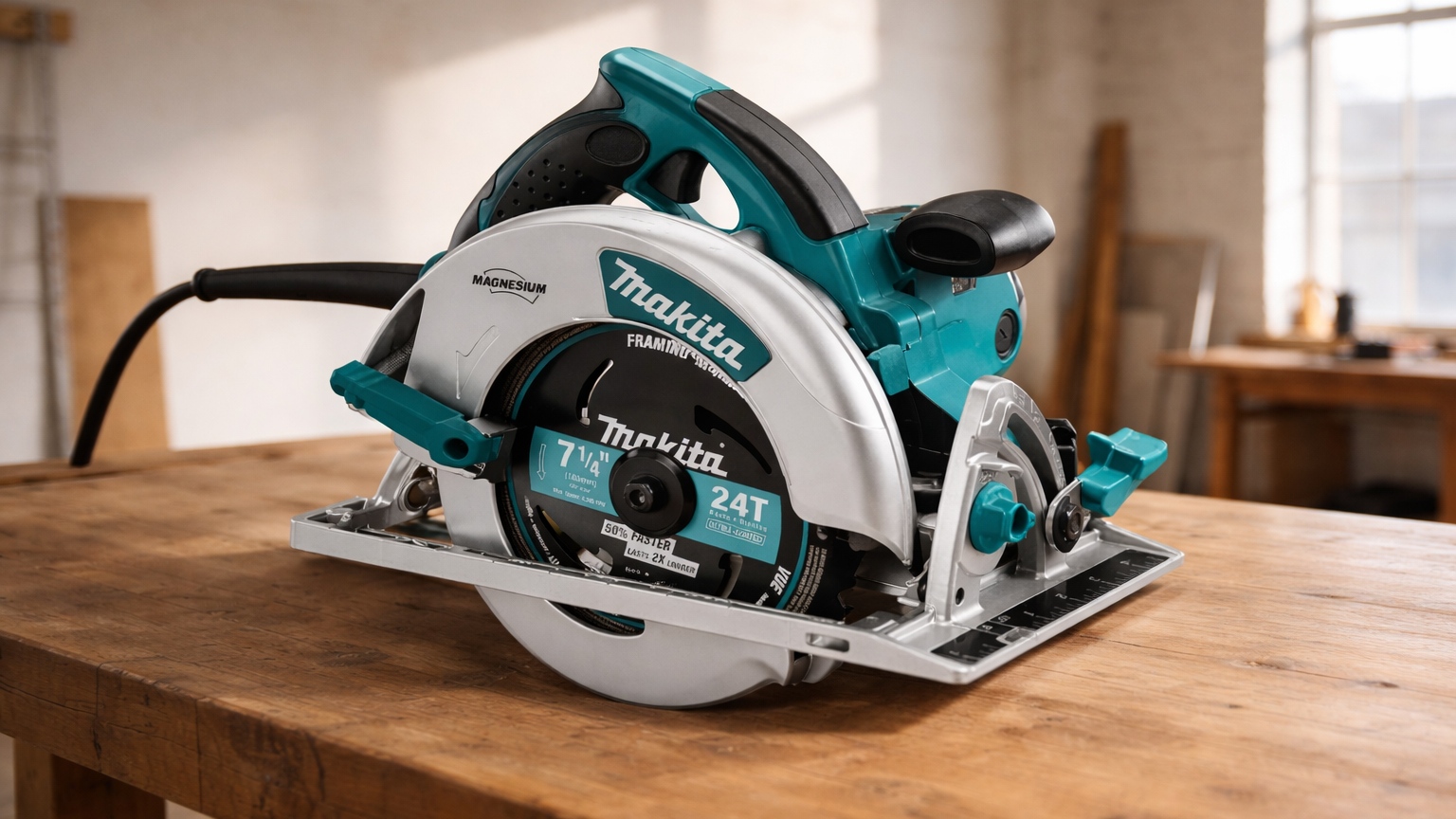
Makita 5007MG
More refined
A step up in smoothness and overall cutting feel, with more consistent tracking and better long-session comfort. It suits buyers who want a more composed saw for frequent use rather than a basic, entry-level experience.
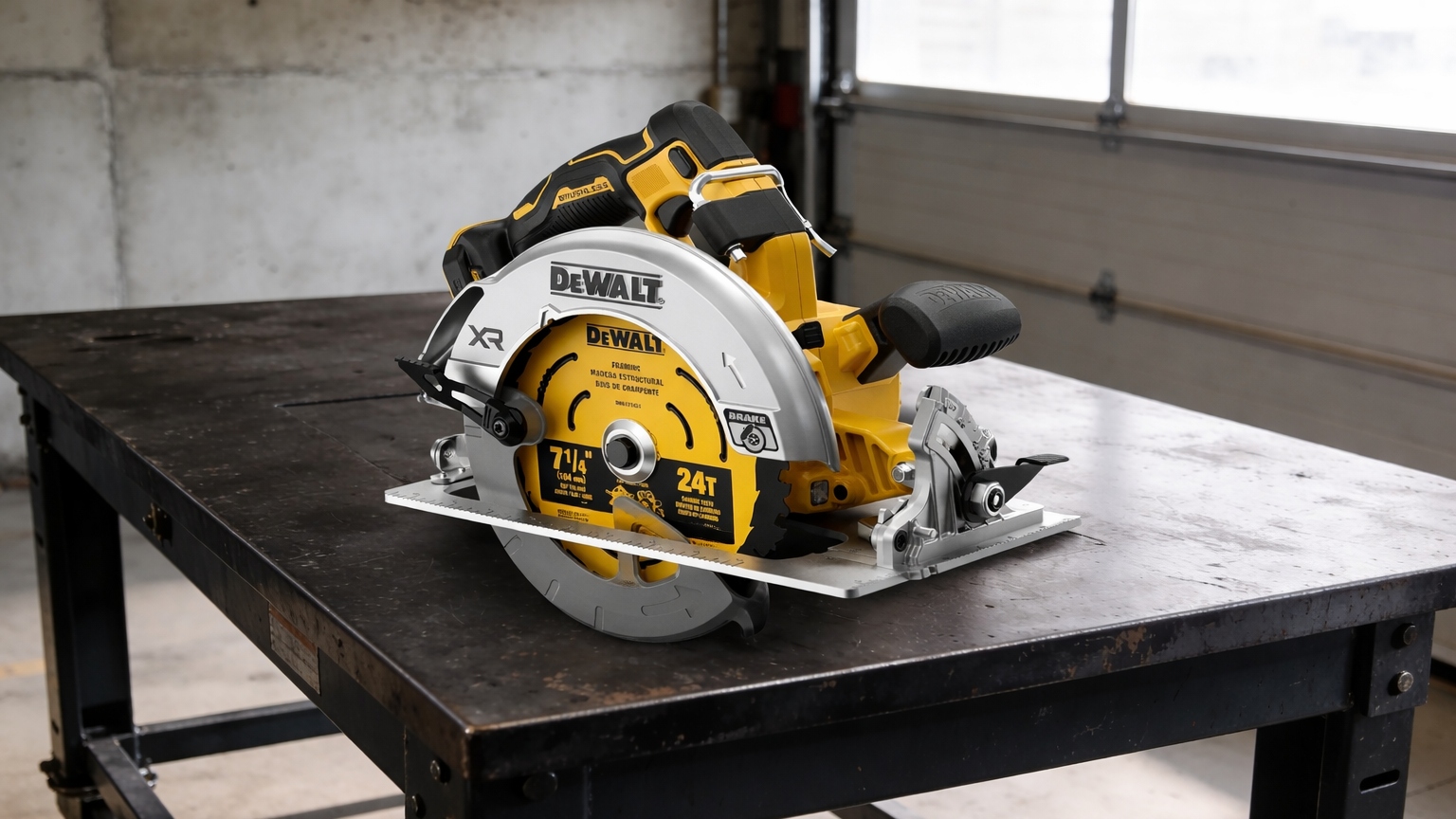
DeWalt DWE575SB
Pro durability
A better fit for heavier, more frequent cutting where durability and long-term reliability matter more than initial cost. It offers a more stable, jobsite-ready feel for users who expect consistent performance over time.
Sources
Sources & reference notes
Specifications and product details referenced in this review were checked against publicly available manufacturer information and current retail listings. Where package contents or included accessories vary, those differences should be confirmed at the point of purchase.
- SKIL product documentation and published specifications for the SKIL 5280-01 circular saw.
- Circular saw category reference information covering core configuration, blade format, and general compatibility expectations where relevant.
- Retail product listings used to confirm current naming, SKU references, and included accessories or package variations.
Where to Buy
SKIL 5280-01
Circular Saw
Typical price range: $40–$70
Pricing varies by retailer and included blade or bundle configuration.
Check Current PriceReview Snapshot
SKIL 5280-01
8.2
Solid everyday cutting value
Best for general home projects and occasional lumber work where affordability matters more than premium refinement.
- Performance: Steady on common plywood and framing cuts, with a measured pace preferred in denser material
- Handling: Predictable in use, though vibration and long-session comfort trail more refined saws
- Value: Makes the most sense for regular DIY use without paying for pro-tier fit and finish
Top 10 List
See the best circular saws right now
Want the broader view? Our Top 10 breaks down the best circular saws by performance, value, and everyday usability.
View the Top 10Compare Models
Compare this saw head-to-head
See how the SKIL 5280-01 stacks up against other circular saws across cutting feel, handling, and overall value.
View ComparisonsAccessories You’ll Want
- General-purpose blade assortment (helps match cut quality and feed feel to framing lumber, sheet goods, and rougher jobsite tasks)
- Fine-finish blade (improves edge cleanliness on plywood, trim panels, and projects where tear-out is more noticeable)
- Straightedge guide (makes long cuts easier to control and helps the saw track more consistently across full sheets)
- Sawhorses or panel supports (keeps material stable and reduces the chance of pinching or binding during the cut)
- Replacement blade wrench (worth having on hand so blade changes stay simple instead of slowing down a project)
Tip: Blade choice and guide compatibility shape the day-to-day experience more than most buyers expect—having the right blades and support setup usually improves results faster than changing saws.