
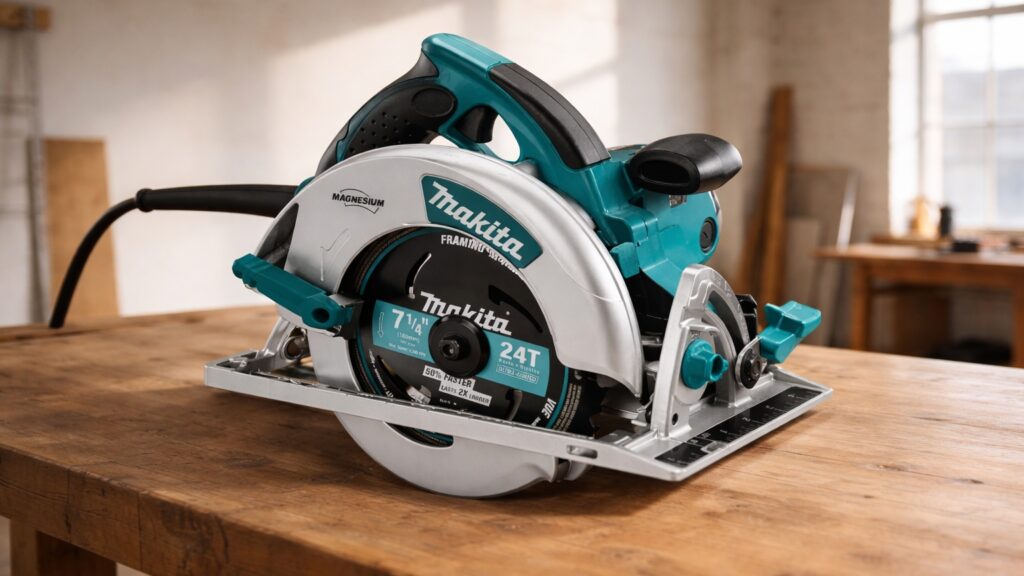
The Makita 5007MG circular saw is widely recognized for its lightweight magnesium construction and strong cutting performance, but how does it hold up in real-world use? This review examines its capabilities, limitations, and key tradeoffs to help determine where it fits among comparable corded circular saws.
Makita 5007MG Circular Saw Review: Performance, Pros, and Cons
By: Review Streets Research Lab
Updated: April 2, 2026
Approx. 8–10 min read
Quick Summary
The Makita 5007MG stands out as a confident, full-size circular saw with a light-in-hand feel and steady cutting character that suits framing, sheet goods, and general remodeling work. It inspires trust over longer sessions, though its corded format and larger footprint make it less convenient in tighter spaces.
8.9
Score
Best for: Remodeling projects
Pros & Cons
Makita 5007MG: what we liked (and what we didn’t)
A quick look at the biggest strengths and tradeoffs based on performance, handling, and everyday usability.
Pros
- Strong Cutting: Feels composed through framing lumber and sheet goods with good confidence under load.
- Light For Size: Easier to manage over longer sessions than many full-size circular saws in this class.
- Stable Tracking: Holds a line well in common rip and crosscut work, which helps cuts feel predictable.
- Comfortable Handling: Balanced ergonomics support steady control during repeated cuts and general remodeling tasks.
- Jobsite Confidence: Overall build gives the impression of a durable saw suited to regular use.
Cons
- Corded Limitation: Power is consistent, but cord management can slow workflow compared with cordless options.
- Full-Size Footprint: Less convenient in tight spaces where smaller saws are easier to position and control.
- Not Budget-Leaning: Buyers focused mainly on value may find simpler models more practical for occasional use.
- All-Day Fatigue: Still substantial enough that repeated overhead or awkward-angle cuts can become tiring.
Specs
Makita 5007MG key specifications
These are the core specs and practical details most buyers compare across full-size corded circular saws.
| Spec | Makita 5007MG |
|---|---|
| Type | Corded circular saw (sidewinder) |
| Platform | Corded electric |
| Voltage | 120V AC |
| Speed | Approx. 5,800 RPM (manufacturer-rated) |
| Chuck | N/A (uses 7-1/4" circular saw blade) |
| Torque | Manufacturer-rated motor output (not typically specified) |
| Length | Approx. 12" overall length (full-size class) |
| Weight | Approx. 10.6 lbs (no battery required) |
| Clutch settings | N/A (direct drive cutting tool) |
| LED light | Yes (integrated work light) |
| Included | Typically includes blade, wrench, and carry case (varies by retailer) |
| Best use | Framing, sheet goods, and general remodeling cuts with consistent power |
| Warranty | Makita limited warranty (varies by region/product) |
Performance
How the Makita 5007MG performs
We evaluated cutting feel, control, handling, and overall day-to-day usability across common framing, sheet goods, and remodeling tasks to understand how this circular saw performs in real-world use.
Cutting Speed
Moves through common lumber and panel cuts with a quick, confident feel that supports steady workflow.
Power Under Load
Stays composed in heavier cuts with less hesitation than many lighter-duty saws in its class.
Control & Handling
Feels predictable on rip cuts and crosscuts, helping the saw track well through typical jobsite tasks.
Balance & Comfort
Relatively easy to manage for a full-size corded saw, though repeated awkward-angle cuts can still wear on the user.
Noise & Smoothness
Noticeably loud, as expected in this category, but vibration stays controlled enough for confident everyday use.
Overall Performance
A strong all-around performer for demanding home projects and regular remodeling work where consistent cutting matters.
Testing note: Performance observations are based on real-world cutting, handling, and repeat-use scenarios across common building materials and everyday project work.
Build Quality
Build quality & durability
The Makita 5007MG feels built for regular jobsite use, with a sturdy overall structure and a confident in-hand feel that supports controlled cutting. Its construction gives the impression of a tool meant to be used often rather than handled delicately.
Key touchpoints—handles, adjustment interfaces, and base components—feel secure and well sorted in everyday use. Nothing about the saw suggests looseness or excessive flex, and the overall fit and finish support a more stable, predictable cutting experience over time.
In normal transport, repeated setup, and general project handling, it comes across as durable enough for routine remodeling and framing work. It feels capable of taking ordinary bumps, bench placement, and day-to-day movement without seeming fragile or overly precious.
Compared with smaller or lighter-duty circular saws, the 5007MG leans more toward durability and cutting confidence than maximum portability. That tradeoff makes sense for buyers who want a saw that feels dependable in regular use, even if it is not the most compact option to carry around.
Setup & Maintenance
Setup, daily use, and upkeep
The Makita 5007MG is straightforward to get working well—most setup comes down to choosing the right blade, setting depth and bevel carefully, and matching feed pressure to the material. A few simple habits can improve cut quality, reduce strain during longer sessions, and help the saw stay dependable over time.
Best setup for common tasks
- Sheet Goods: Set blade depth just below the material and support the panel well to keep cuts cleaner and more controlled.
- Framing Lumber: Use a sharp general-purpose blade, keep the base flat, and feed steadily without forcing the saw through the cut.
- Bevel Cuts: Double-check the angle setting before starting and make a slower, more deliberate pass to maintain line accuracy.
- Finish-Sensitive Cuts: Use a finer blade and let the saw reach full speed before entering the material for a cleaner edge.
What to do for smoother starts
- Set Depth First: Proper blade depth helps the saw enter the cut more cleanly and reduces extra drag at the start.
- Start At Speed: Let the blade come fully up to speed before contacting the work so the saw tracks more smoothly.
- Guide The First Inch: Focus on a steady, straight entry and keep the shoe planted firmly to avoid wandering early in the cut.
Maintenance (simple but important)
- Blade Condition: Replace or clean blades when cutting slows or edges roughen, since dull teeth increase effort and heat.
- Shoe Check: Keep the base free of buildup and inspect it for damage so it continues to ride flat and track predictably.
- Dust Cleanup: Brush away packed sawdust around guards and adjustment points to keep movement smooth and visibility better.
- Cord Awareness: Check the cord regularly for wear or kinks and store it loosely to avoid unnecessary stress over time.
Tip: For steadier, safer cuts, keep both hands engaged, support the workpiece well, and maintain controlled forward pressure without twisting the saw. This helps prevent binding, improves line tracking, and makes awkward or longer cuts easier to manage.
Real-World Use
Where the Makita 5007MG fits best
On paper, the Makita 5007MG is a full-size corded circular saw. In real projects, it stands out when consistent cutting power, steady control, and reliable handling matter more than portability or compact size.
Framing and general construction
Well suited for cutting dimensional lumber, subfloor, and framing materials where steady power and predictable tracking help maintain a consistent pace across repeated cuts.
Sheet goods and panel work
Handles plywood and OSB with a stable feel, making it easier to stay on line during long rip cuts or controlled crosscuts on larger panels.
Remodeling and home projects
A dependable choice for ongoing renovation work, where consistent performance and straightforward handling support multi-day projects without frequent adjustments.
Where it’s less ideal
Less convenient for tight spaces, overhead cuts, or quick grab-and-go tasks, where a smaller cordless saw is easier to position and manage without dealing with a cord.
Value
Is the Makita 5007MG worth it?
The Makita 5007MG makes the most sense when it will be used regularly for framing, sheet goods, and remodeling work where consistent cutting performance and long-term reliability matter. For occasional weekend use or lighter project demands, a simpler lower-cost saw may cover the basics without much sacrifice.
Price-to-performance takeaway
What buyers are really paying for here is confident full-size cutting performance, a lighter-feeling build for its class, and the kind of durability that supports repeated use over time. The value is strongest for those who want a dependable corded saw for regular project work, not just occasional backup duty.
Tip: Compare what is included before buying, since some listings bundle a blade or case while others do not. For a corded saw like this, overall value often comes down to build quality, included accessories, and whether it will be your primary saw or a secondary shop tool.
FAQ
Makita 5007MG FAQ
Quick answers to the most common questions about the Makita 5007MG—use cases, practical fit, and what to expect in everyday cutting work.
Is the Makita 5007MG a corded circular saw?
Yes. The 5007MG is a corded full-size circular saw, which means it offers steady power without battery management but requires access to an outlet or extension cord.
What kind of projects is it best for?
It fits best with framing, sheet goods, remodeling work, and general construction cuts where consistent output and a stable cutting feel matter more than portability.
Is it a good choice for regular home use?
Yes, especially for larger home projects or recurring renovation work. It offers more capability and long-session confidence than many lighter-duty saws aimed at occasional use.
Is the Makita 5007MG too much for light DIY?
It can be. For occasional quick cuts or limited-space tasks, a smaller or less expensive saw may feel easier to live with while still covering basic needs.
Can it handle plywood and framing lumber well?
Yes. This is the kind of saw that is well matched to common lumber cuts and sheet material work, with the control and cutting confidence most buyers want for those jobs.
What should buyers compare before purchasing?
Check what comes in the box, confirm blade orientation and comfort preferences, and compare overall weight, included accessories, and price against other full-size corded saws in the same class.
What are the most common downsides?
The main tradeoffs are the cord, full-size footprint, and everyday bulk compared with smaller cordless models. It is built more for stable cutting performance than grab-and-go convenience.
Alternatives
Best alternatives to the Makita 5007MG
If the Makita 5007MG’s full-size corded performance isn’t the perfect fit, these alternatives offer different tradeoffs—lower cost, lighter handling, or cordless convenience depending on how and where you work.
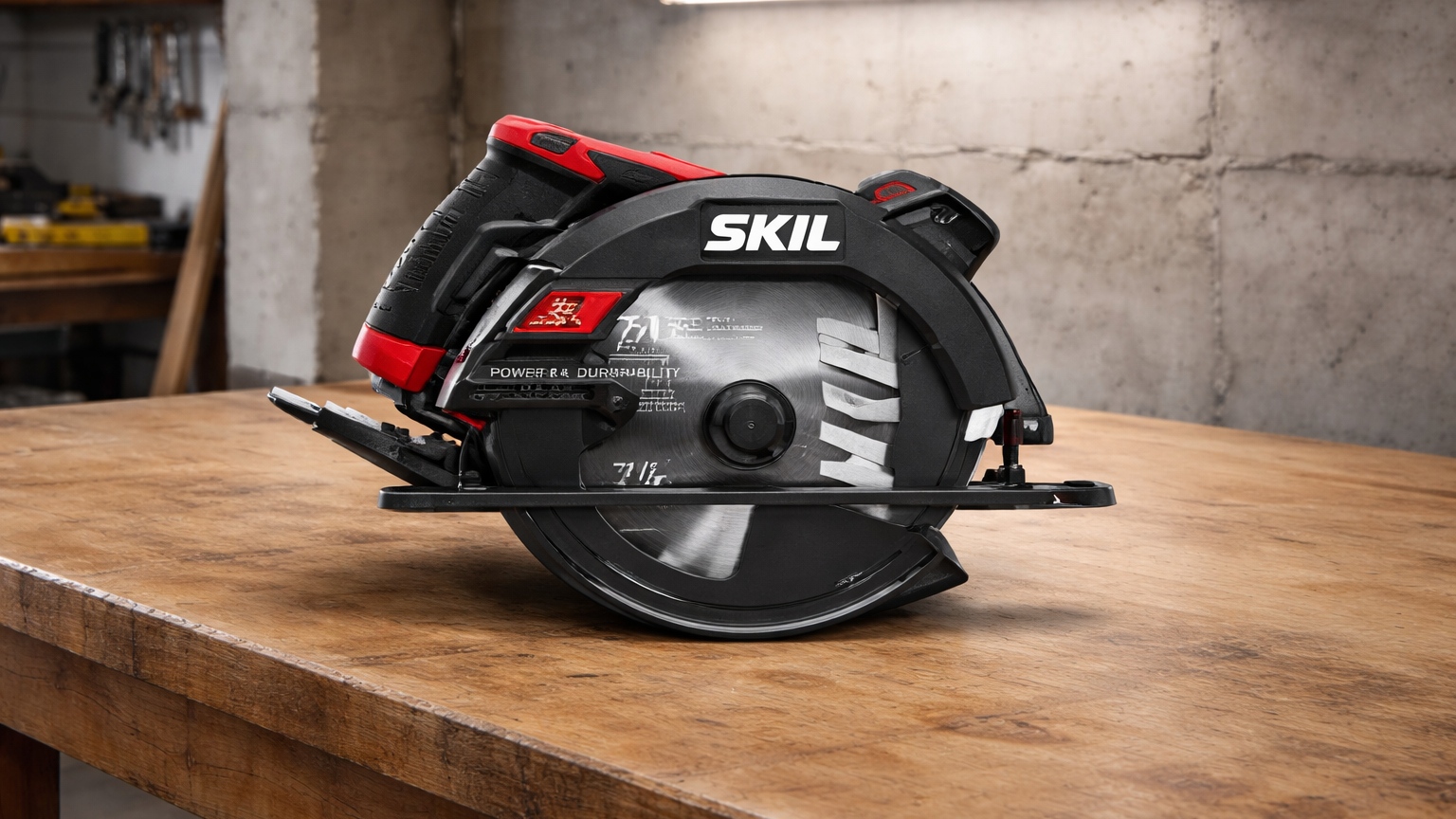
Skil 5280-01
Best value
A more budget-friendly full-size circular saw that covers basic cutting needs well, making it a practical option for occasional projects where cost matters more than long-session durability and refinement.
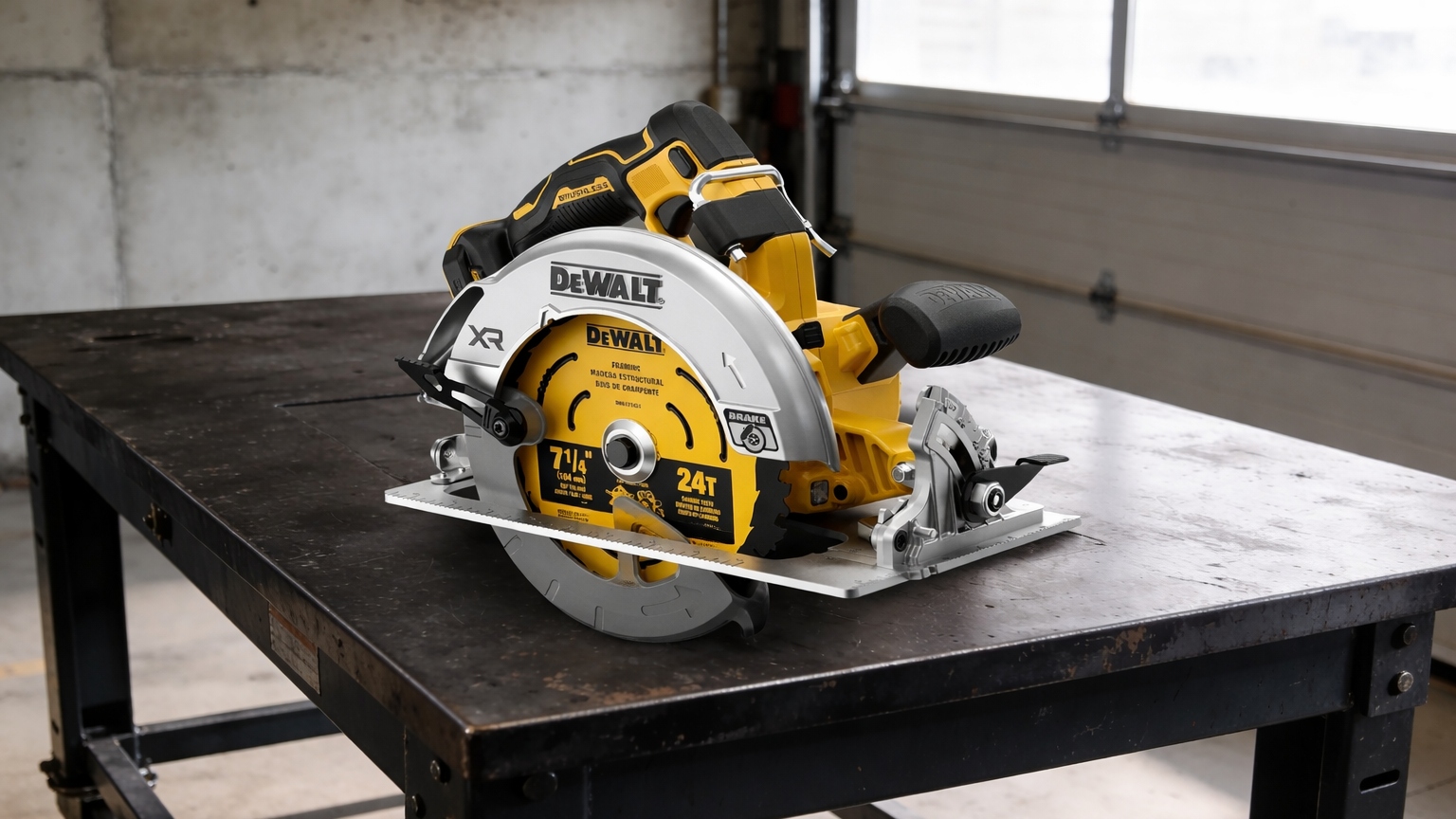
DeWalt DWE575SB
Lighter feel
A lighter-handling corded saw that emphasizes ease of control and reduced fatigue, making it a strong alternative if you prioritize comfort over a slightly more planted, heavy-duty feel.
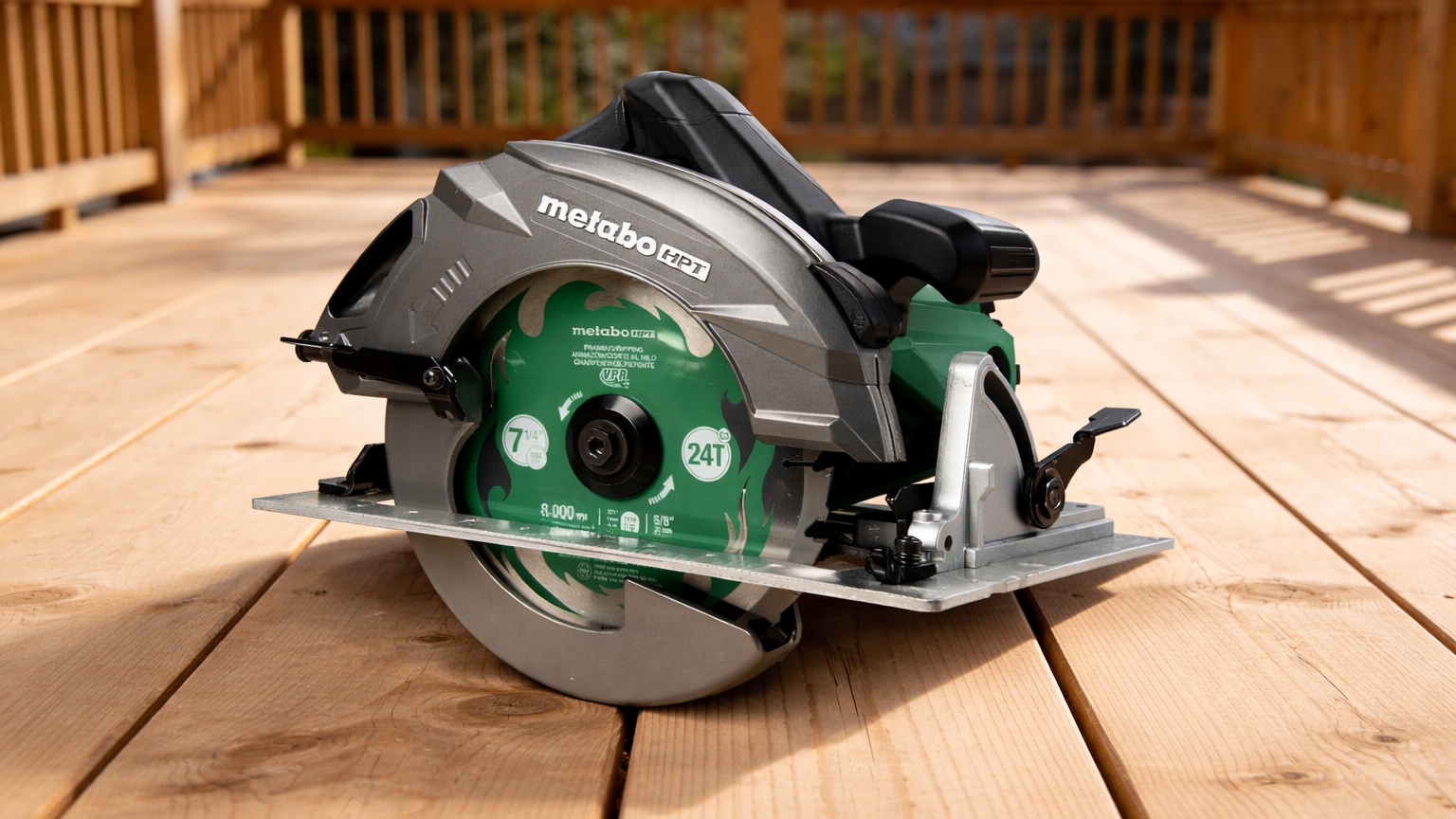
Metabo HPT 7CUR
Lighter feel
A better choice if lower weight and easier handling matter more than raw cutting presence. It feels more manageable during repeated cuts and extended sessions, especially for users who prioritize control over a more planted, heavier saw feel.
Sources
Sources & reference notes
Specifications and product details referenced in this review were verified using publicly available manufacturer information and current product listings. Where included accessories or package contents vary by seller, those differences should be checked at the point of purchase.
- Makita product documentation and published specifications for the Makita 5007MG circular saw.
- Circular saw product and accessory compatibility information relevant to blade size, fitment, and standard use.
- Retail product listings used to confirm current naming, SKU references, and included accessories.
Where to Buy
Makita 5007MG
Circular Saw
Typical price range: $129–$189
Pricing varies by retailer and included accessories.
Check Current PriceReview Snapshot
Makita 5007MG
8.9
Strong cutting + durable feel
Best for framing, sheet goods, and remodeling work where steady corded performance matters more than cordless convenience.
- Performance: Cuts confidently through common lumber and panel stock with good consistency
- Handling: Light for a full-size saw, but still less convenient in tight spaces
- Value: Best for buyers who want a dependable primary corded saw for regular use
Top 10 List
See the best circular saws right now
Want the full picture? Our Top 10 breaks down the best circular saws by performance, value, and real-world use.
View the Top 10Compare Models
Compare this saw head-to-head
See how the Makita 5007MG stacks up against other top circular saws across cutting feel, handling, and value.
View ComparisonsAccessories You’ll Want
- Quality 7-1/4" blade set (keep a framing blade and a finer-tooth option on hand for cleaner cuts in different materials)
- Straightedge or guide rail (helps produce straighter rip cuts in sheet goods with less setup guesswork)
- Stable sawhorses or cutting supports (improves control, reduces binding, and makes large panels easier to manage)
- Extension cord rated for tools (supports more consistent performance and reduces hassle when working farther from outlets)
- Clamps for workpiece support (keep material from shifting so cut lines stay cleaner and safer to follow)
Tip: Blade choice and work support affect day-to-day results more than most buyers expect—using the right blade and keeping common accessories compatible with your usual materials makes the saw easier to control and more consistent over time.