
Motion Sensor
A motion sensor detects movement patterns from the wrist.
- Example: counting steps from repeated arm motion
- Check: compare step trends across similar days
- Limit: wrist motion can be mistaken for walking
Fitness bands work by using wrist-worn sensors, motion detection, heart-rate tracking, app software, and battery-powered displays or indicators to estimate activity, exercise, sleep, and daily movement patterns. The band collects signals, the software interprets them, and the app turns them into readable metrics.
A fitness band is not a laboratory instrument. Its value comes from consistent day-to-day feedback, trend tracking, reminders, and simple workout context rather than perfect single-measurement precision.
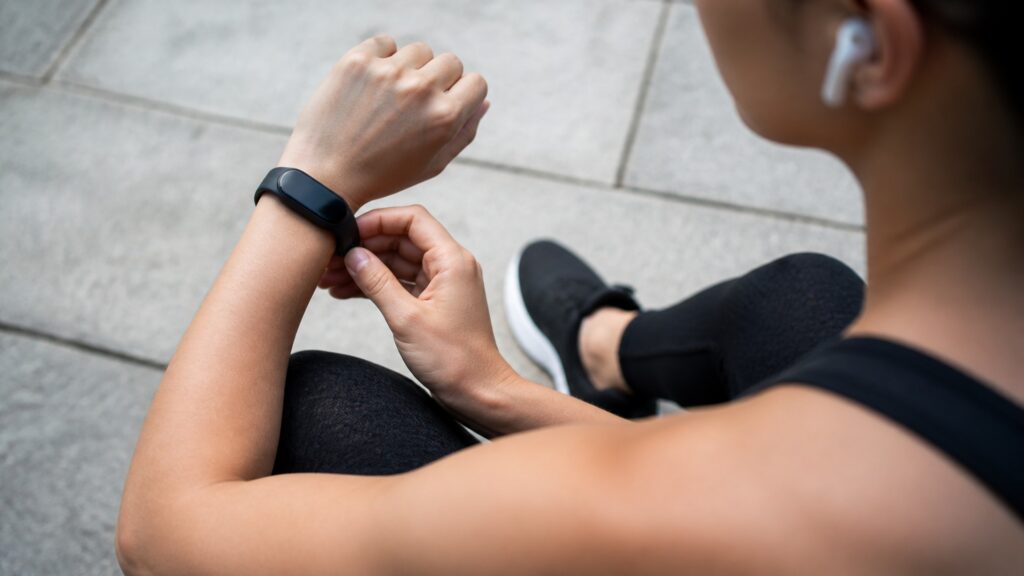
A practical explanation of sensors, software, activity estimates, and the limits of wrist-worn tracking.
Tip: Use fitness-band data as consistent feedback, not as perfect measurement.
These concepts clarify the practical signals readers should check before choosing equipment or planning workouts.
A motion sensor detects movement patterns from the wrist.
Optical heart-rate tracking estimates pulse by reading light changes at the skin.
An activity estimate converts sensor signals into metrics such as steps, active minutes, or calories.
The companion app stores, labels, and explains the band data.
Battery runtime is how long the band works between charges.
Wear fit is how consistently the band sits on the wrist.
Tip: The best equipment choice is the one that matches the training job, available space, and user's current ability.
Fitness bands collect movement and body-signal data from the wrist. Motion sensors help estimate steps and activity. Optical heart-rate sensors estimate pulse by reading changes at the skin.
The sensor data is the raw material, not the final answer.
The band and app use software to classify activity, estimate calories, count active minutes, and organize sleep or workout data. Different brands can interpret the same movement differently.
The software shapes what the user sees.
Fitness bands are strongest when they make habits visible. Steps, reminders, heart-rate zones, and weekly patterns can help users notice whether they are moving consistently.
The best feedback helps the user act.
Loose straps, wrist position, sweat, tattoos, fast intervals, and unusual arm movement can affect readings. A fitness band can still be useful when the user understands those limits.
Context keeps the data honest.
A basic band can be enough for steps, reminders, and simple heart-rate trends. More advanced models make sense when the app, battery, display, or workout tracking features match the user's routine.
A useful band fits the habit it is meant to support.
Fitness bands are helpful trend tools, but their readings need context.
They make daily movement, reminders, and workout trends easier to see.
They can support habit tracking with simple feedback.
They can misread wrist motion, fit issues, or fast changes.
They should not be treated as exact medical or lab measurements.
A useful band does not need perfect precision to support better habits.
Most metrics are estimates shaped by sensors and software.
Useful metrics are the ones the user can act on.
Automatic detection can miss or mislabel activity.
A band that is charging too often may miss the data the user wants.
Tip: Treat strong claims as reasons to inspect the workout fit more closely.
Short answers for practical training and buying decisions.
They use motion sensors and software to estimate repeated walking patterns.
Most use optical sensors that estimate pulse from light changes at the skin.
They can be useful for trends, but accuracy varies with fit, activity type, and software.
Choose the band with the metrics, app, comfort, and battery life the user will actually use.
Use fitness bands for consistent feedback and trends, not perfect single readings.
Fitness bands work by turning wrist sensor signals into activity, heart-rate, sleep, and habit feedback.
Their best use is consistent trend tracking supported by a comfortable fit and a clear app.
Use these Review Streets paths to compare related categories and practical next decisions.
Review the sensors and feedback fitness bands use.
See how band data should support real workouts.
Compare bands with broader wearable displays and apps.
Choose a retailer
Prices checked regularly. We may earn a commission at no cost to you.