
Training Function
Training function is the job the fitness band has in the user's routine.
- Example: tracking daily steps for consistency
- Check: name the decision the band should support
- Limit: features without a decision can become noise
Training function matters for fitness bands because different users need different data from the same wearable. One person may need step reminders and daily movement feedback. Another may need heart-rate zones, workout logging, sleep trends, or simple habit accountability.
A fitness band is most useful when its features match the training decision the user wants to make. Without that function, extra metrics can become noise instead of guidance.
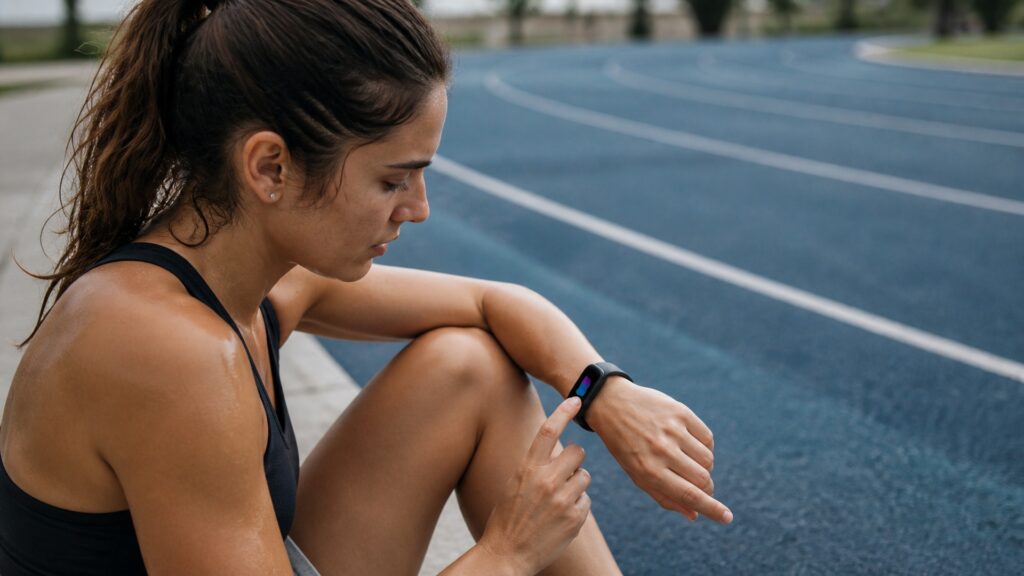
A practical guide to matching fitness-band features with the training decisions they should support.
Tip: Choose the fitness band around the training decision it should support.
These concepts clarify the practical signals readers should check before choosing equipment or planning workouts.
Training function is the job the fitness band has in the user's routine.
Habit feedback shows whether the user is repeating the desired behavior.
Workout tracking records session time, estimated effort, and selected activity data.
A heart-rate zone groups effort by estimated pulse range.
Recovery context uses sleep, resting heart rate, or activity trends to inform training choices.
App follow-through is how well the software helps the user review and act on data.
Tip: The best equipment choice is the one that matches the training job, available space, and user's current ability.
A fitness band should help the user make a practical decision, such as moving more, staying in a cardio range, logging workouts, or noticing recovery patterns.
The function turns data into a reason to use the band.
For many users, the most useful function is simple movement awareness. Steps, stand reminders, and active minutes can make daily habits easier to notice.
Simple feedback can be enough when consistency is the goal.
A user focused on training sessions may need sport modes, heart-rate zones, intervals, or app summaries. These features matter only if they match the workouts the user actually does.
Workout tracking should fit the workout, not the other way around.
Sleep and recovery-style metrics can help users notice patterns, but they should not override common sense. Poor sleep, unusual fatigue, and high recent activity can all inform training choices.
Recovery data is most useful when it starts a sensible check-in.
A feature-rich band can still be a poor fit if the user only needs simple habit feedback. A basic band can be too limited if the user needs workout detail and app history.
The right band is the one that supports the user's actual routine.
A clear function keeps fitness-band data tied to action.
It separates useful metrics from distracting extras.
It makes the app, battery, and sensor choices easier to judge.
It cannot make inaccurate or poorly worn sensors precise.
It does not replace coaching, medical advice, or user judgment.
More data is useful only when it supports a clear action.
Better depends on the function the user needs.
Some metrics do not change training decisions.
They are estimates that need context.
Simple step and reminder functions can support strong habits.
Tip: Treat strong claims as reasons to inspect the workout fit more closely.
Short answers for practical training and buying decisions.
It shows which data should guide the user's routine.
Daily movement feedback and simple reminders are often the easiest starting point.
Sport modes, heart-rate trends, intervals, and app summaries can matter when they match the activity.
Only if those metrics support decisions the user will actually make.
Choose a fitness band by the training function it needs to serve.
Training function matters because fitness bands should support a specific training decision.
The best band is the one whose data, app, battery, and comfort match the user's routine.
Use these Review Streets paths to compare related categories and practical next decisions.
Review the sensors and feedback fitness bands use.
See how band data should support real workouts.
Compare bands with broader wearable displays and apps.
Choose a retailer
Prices checked regularly. We may earn a commission at no cost to you.