How Full Size Pickup Trucks Work

A full-size pickup works by combining a passenger compartment and open cargo bed with systems that produce driving force, support weight, steer, stop, and manage heat. Its usefulness comes from the way those systems work together. A powerful engine or motor does not by itself determine how much the truck may carry or tow.

The basic tasks are shared across the class, but the hardware varies. A gasoline or diesel truck typically sends engine power through a transmission and driveline, a hybrid combines an engine with electric components, and a battery-electric pickup uses stored electricity to drive motors. Chassis, suspension, and braking arrangements also depend on the specific model.

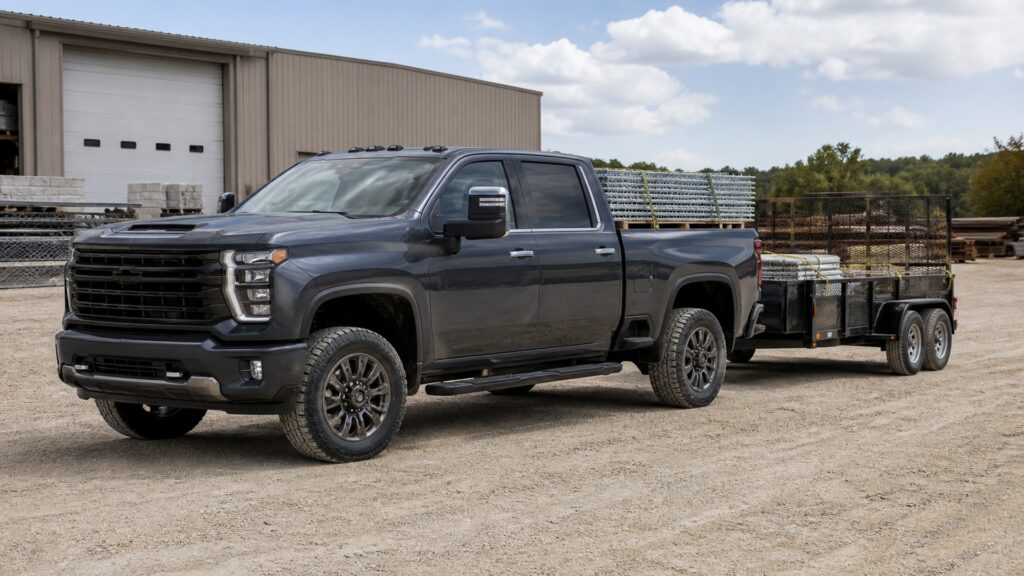
By: Review Streets Research Lab
Updated: October 5, 2026
Explainer · 8-12 min read
full size pickup trucks explainer hero image for Review Streets
What You'll Learn

The Systems Behind Pickup Capability

Follow energy into motion, then consider how the vehicle handles a load.

  • Trace the power path for the fitted powertrain
  • Understand how the structure and suspension support loads
  • Separate driving traction from steering and braking grip
  • See why cooling matters during sustained work
  • Use vehicle-specific ratings to judge capability

Tip: Read specifications as a system: power, axle ratios, tires, cooling, and load ratings describe different parts of the same vehicle.

Definitions

Six Concepts That Explain the Hardware

These concepts connect mechanical operation to familiar driving and hauling tasks.

Powertrain

The components that produce and deliver driving power.

  • Example: An engine and transmission provide one power path; a battery, power electronics, and motor provide another.
  • Check: Identify the exact engine, hybrid, or electric arrangement.
  • Limit: Full-size describes a vehicle class, not one universal powertrain.

Gear Reduction

A ratio that trades rotational speed for torque at a different point in the driveline.

  • Example: A lower transmission gear helps a conventional truck start a loaded combination moving.
  • Check: Check transmission, axle, and any low-range provisions.
  • Limit: Motor torque figures alone do not describe wheel force in every vehicle.

Load Path

The route forces take through the structure, suspension, wheels, and tires.

  • Example: Cargo in the bed adds load that ultimately reaches the ground through the tires.
  • Check: Check vehicle and axle loads as well as the cargo weight.
  • Limit: A sturdy-looking bed does not establish the approved carrying limit.

Differential

A driveline mechanism that can allow driven wheels to rotate at different speeds.

  • Example: Outer and inner wheels travel different distances during a turn.
  • Check: Identify any limited-slip or locking function and its operating instructions.
  • Limit: A locking feature is not intended for every surface or driving condition.

Friction Braking

Slowing the vehicle by converting motion into heat at the brakes.

  • Example: Brake discs and pads help control speed and stop the truck.
  • Check: Follow loaded-driving and descent guidance in the manual.
  • Limit: Four-wheel drive does not replace available braking grip.

Thermal Management

Controlling component temperatures within their operating range.

  • Example: Cooling systems remove heat during sustained towing or manage battery and motor temperatures.
  • Check: Watch warnings and follow the vehicle's response instructions.
  • Limit: High peak power does not promise unlimited sustained output.

Tip: The vehicle manual explains which versions of these systems are installed and how their controls should be used.

Energy to Motion

Different Powertrains Reach the Wheels in Different Ways

Combustion engines burn fuel to turn a crankshaft; a transmission selects ratios that help the engine serve different speeds and loads. Hybrids add electric assistance in arrangements that vary by model. Battery-electric trucks use power electronics to control motors, commonly through fixed reduction gearing. Their motors may drive different axles without the same connecting hardware as a conventional four-wheel-drive truck.

  • Identify the actual powertrain before interpreting its controls.
  • Separate energy storage from the components delivering torque.
  • Use the manual for shifting and operating restrictions.

The driver's accelerator request passes through electronic controls; available output can depend on temperature, energy state, traction, and operating limits.

Supporting Weight

The Structure and Suspension Carry the Whole Vehicle

The body and supporting structure must transfer forces from occupants, cargo, and hitch attachments through the suspension to the wheels. Many conventional full-size pickups use a separate frame, but construction should be checked for the model. Springs support load, dampers control motion, and suspension geometry guides movement. Different rear-suspension designs can meet these tasks in different ways.

  • Count people, equipment, cargo, and applicable hitch load.
  • Respect gross vehicle and axle ratings.
  • Check tire ratings and the specified cold pressures.

Adding spring assistance may change how level the truck sits, but it does not by itself raise its approved carrying capacity.

Traction and Direction

Driving More Wheels Does Not Remove Tire Limits

Driven wheels push against the road to move the truck. Differentials, traction control, and fitted drive modes help manage how that driving force is used. Steering and braking also depend on the tires' contact with the surface. A system that improves progress on a slippery road cannot guarantee short stopping distances or prevent every loss of grip.

  • Identify whether the truck has two-wheel drive, all-wheel drive, or a selectable four-wheel-drive system.
  • Use locking and low-range functions only as instructed.
  • Choose tires and speed appropriate to conditions.

A part-time four-wheel-drive setting can have surface restrictions that do not apply to a different truck's automatic drive arrangement.

Slowing the Load

Brakes and Powertrain Controls Work Together

Friction brakes provide essential stopping capability. Some trucks also use engine braking, specified transmission behavior, or electric energy recovery to help slow down. Those effects depend on equipment and conditions; battery temperature or charge state can limit electric recovery. A trailer may need its own approved brake system and correctly set controller. The truck's assistance does not replace that requirement.

  • Follow the manual's descent and towing guidance.
  • Confirm trailer brake compatibility and setup when required.
  • Respond to reduced-braking or temperature warnings as directed.

Selecting a towing mode can alter control behavior, but it cannot make an overweight combination acceptable.

Sustained Work

Heat and Ratings Set Practical Boundaries

Moving a load uphill or at highway speed demands ongoing energy, not just a brief burst of torque. Engines, transmissions, motors, batteries, and brakes produce heat in different ways. Cooling and control systems manage those demands, sometimes reducing output to protect equipment. Approved load limits reflect the complete configuration rather than a single headline power figure.

  • Use ratings for the actual build and fitted equipment.
  • Keep required maintenance and cooling-system care current.
  • Adjust operation when warnings or the manual require it.

A truck's working ability depends on delivering, supporting, and controlling the load throughout the trip.

Quick Reality Check

What a Specification Can and Cannot Tell You

Several systems must support the same task.

Useful Mechanical Evidence

The actual powertrain, drive system, axle arrangement, cooling equipment, and vehicle ratings.

A loaded-vehicle check and correct operation of the equipment fitted to that truck.

Incomplete Shortcuts

Using horsepower or motor torque as the only measure of towing suitability.

Assuming a level stance, four-wheel drive, or a towing mode increases approved weight limits.

Common Myths

Misconceptions About How Full-Size Pickups Work

Similar body shapes can contain very different hardware.

All full-size pickups have an engine and conventional transmission.

Battery-electric and hybrid arrangements change the power path.

More torque automatically means a higher towing rating.

The complete configuration, including structural, braking, thermal, and load limits, matters.

Stiffer springs increase the legal or manufacturer-rated payload.

Suspension changes do not automatically revise approved ratings.

Electric energy recovery replaces the brakes.

Friction brakes remain essential, and energy recovery can be limited by operating conditions.

Tip: Use the manual to connect the general principles to the controls and limits of the specific truck.

FAQ

Questions About Pickup Mechanics

A practical view of power delivery, loads, and control.

Why does a truck need gear reduction?

It helps match the speed and torque of the power source to what is needed at the wheels.

What carries the cargo weight?

The load passes through the vehicle structure and suspension to the wheels and tires; their combined limits govern suitability.

Does four-wheel drive help braking?

It can improve driving traction in appropriate conditions, but stopping still depends on tires, brakes, the surface, and driving conditions.

Why can performance change during towing?

Sustained load, temperatures, grade, speed, and available energy affect system demand and control limits.

What should I check before towing?

Use the actual truck's ratings, loaded weights, approved hitch equipment, trailer brakes where required, and operating instructions.

Bottom Line

Full-size pickups work through coordinated systems for power, load support, traction, braking, and temperature control.

Understand the hardware fitted to the actual truck and judge capability from its complete ratings, not one impressive specification.

Next Steps

Go Deeper or Compare Your Options

Use these Review Streets paths to compare related categories and practical next decisions.

Manufacturer references: Ford F-150 owner manual; Chevrolet Silverado EV owner manual; Ford towing information and model-year guides. Use the manual and ratings for your own model year and configuration.