When to Use Full Size Pickup Trucks Instead of Electric Pickup Trucks

Choose a gasoline, diesel, or non-plug-in hybrid full-size pickup over a battery-electric candidate when it better meets a specific requirement for equipment, loaded travel, or energy replenishment. Frequent long towing trips, changing destinations, or the absence of dependable charging can make a fuel-powered truck easier to use. That choice still requires checking the actual vehicle's load ratings and ownership costs.

Full-size and electric are not opposing categories: many electric pickups are full-size. The meaningful choice is between particular powertrains and configurations. If an electric truck fits the loads and can charge reliably while parked, it may be the more convenient option. Vehicle size alone does not settle the question.

By: Review Streets Research Lab
Updated: October 5, 2026
Explainer · 8-12 min read
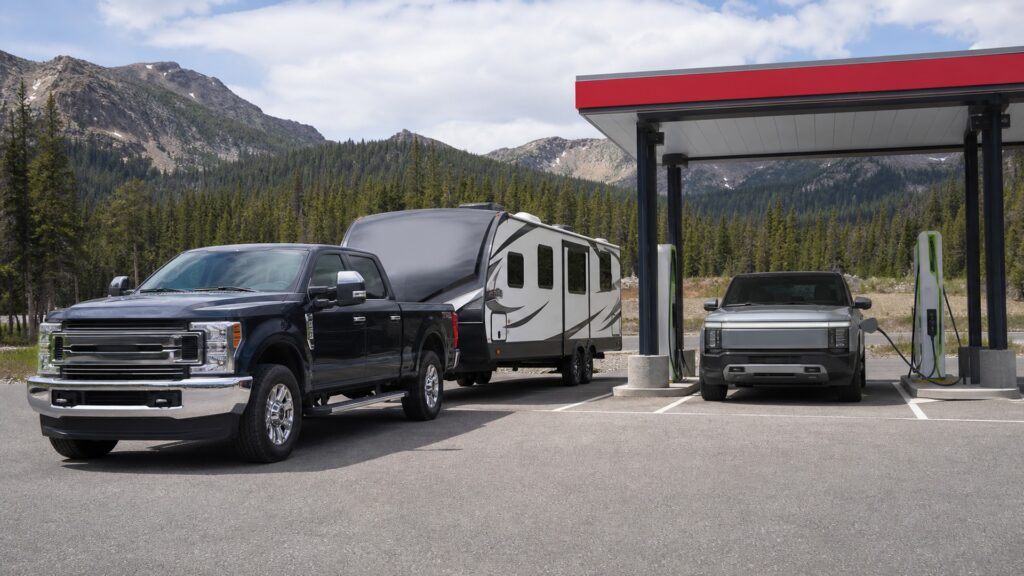
full size pickup trucks explainer hero image for Review Streets
What You'll Learn

When Fuel-Based Operation Fits the Trip Better

Compare the same people, cargo, trailer, and route across the actual vehicles.

  • Separate the size of the truck from its power source
  • Check equipment and loaded capability first
  • Evaluate towing range and access to energy stops
  • Include overnight parking and charging opportunities
  • Compare actual costs rather than assuming one powertrain wins

Tip: Map the demanding trip and the ordinary week; a truck should have a workable plan for both.

Definitions

Six Questions Behind the Powertrain Decision

These checks distinguish capability from convenience.

Vehicle configuration

Vehicle configuration is the complete combination of cab, bed, drivetrain, equipment, and rated limits.

  • Example: a particular crew-cab truck with its factory towing package
  • Check: compare actual builds
  • Limit: a model-family maximum does not describe every truck

Battery-electric operation

Battery-electric operation uses stored electrical energy to drive traction motors without a combustion engine providing propulsion energy on board.

  • Example: recharging a pickup at home after the day's use
  • Check: distinguish it from hybrid and range-extender designs
  • Limit: electric drive does not define the truck's physical size

Loaded energy use

Loaded energy use is the fuel or electricity consumed under the actual cargo, trailer, route, and weather conditions.

  • Example: an enclosed trailer increasing highway energy demand
  • Check: use realistic loaded conditions
  • Limit: unloaded efficiency or range is not a towing promise

Replenishment access

Replenishment access is the ability to obtain suitable fuel or charging where and when needed.

  • Example: a route with usable fuel stops but no compatible charging near the destination
  • Check: check the actual stops and their access
  • Limit: a map location alone does not prove a stop fits the truck and trailer

Parked charging window

A parked charging window is time the truck can recharge while it would already be stationary.

  • Example: overnight parking beside an appropriate home charger
  • Check: check energy recovery during the available hours
  • Limit: an outlet or charger must have sufficient suitable capacity

Trip flexibility

Trip flexibility is the ability to accommodate detours, additional stops, or changed destinations.

  • Example: a workday redirected to a distant site
  • Check: plan reserves and alternatives
  • Limit: neither a full tank nor a full battery removes the need for route planning

Tip: Keep the load check and the energy plan separate; the truck needs to pass both.

Equipment

Choose a Configuration That Supports the Job

Begin with the cab, bed, payload, trailer weight, and hitch arrangement required for the trip. A conventional truck may offer a particular combination the electric candidate lacks, but the reverse can also be true for useful features or storage. Do not substitute acceleration or battery size for the ratings that govern the actual load.

  • Read the loading label for the vehicle being considered.
  • Include passengers, accessories, cargo, and hitch load.
  • Confirm compatibility of the intended towing equipment.

Reject a candidate that cannot meet a required limit before comparing refueling or charging convenience.

Long Towing Trips

Look at the Distance Between Usable Stops

Towing consumes more energy in both combustion and electric pickups. A large trailer can also complicate access to a stop. If a route offers practical fuel access but lacks dependable charging that fits the loaded trip, a conventional truck may reduce disruption. Where compatible charging and adequate time are available, an electric truck can remain a valid towing choice within its ratings.

  • Plan from loaded consumption and a reasonable reserve.
  • Include the return leg and alternative stops.
  • Inspect access for the attached trailer, not just charger or pump availability.

The relevant range is the range available for that trip, not the largest number advertised for unloaded driving.

Home Base

Charging Access Can Reverse the Convenience Comparison

A driver with dependable overnight charging can start routine trips with energy replenished during parked time. Someone who parks on the street or shares limited charging may face a different routine. Verify the parking arrangement, installation requirements, and available charging time before deciding that either home charging or public charging is effortless.

  • Confirm permission and practical access to the parking location.
  • Obtain an appropriate installation assessment where needed.
  • Compare replenished energy with the next day's expected use.

A conventional truck can be simpler when no workable charging routine exists; reliable parked charging can make the electric alternative simpler.

Variable Work

Allow for Days That Do Not Follow the Plan

Changing worksites, extra trailer miles, weather, and detours can disrupt an optimistic schedule. Consider how each candidate handles those changes using the infrastructure available to you. A fuel-powered vehicle is not immune to remote-area constraints, and an electric vehicle is not necessarily unsuitable if the route has good alternatives.

  • Use the busiest realistic day when testing the plan.
  • Identify backup replenishment locations.
  • Keep operating reserves appropriate to the uncertainty.

Choose the vehicle whose energy plan remains workable when the day changes, rather than one that only just completes the ideal route.

Ownership

Compare Your Prices and Your Use Pattern

The cost comparison includes purchase price, insurance, tires, scheduled maintenance, fuel or electricity, and any charging installation. Public charging and home charging can have different prices. Gasoline, diesel, and hybrid models also have different equipment and service needs. Use quotes and tariffs relevant to the exact vehicles and locations.

  • Compare the same annual mileage and loaded duties.
  • Include installation and financing costs where applicable.
  • Treat service requirements as powertrain-specific.

Fuel-based operation is a practical choice when it fits the work and access better, not simply because the truck is called full-size.

Quick Reality Check

When Each Powertrain Fits

The size category may overlap; the operating requirements decide.

Conventional Full-Size Fits When

Its configuration meets the load and the required trips have practical fuel access.

Charging availability, stop layouts, or schedule constraints make the electric candidate impractical.

Battery-Electric Fits When

The actual vehicle meets the load and its loaded range covers the planned legs with reserves.

Reliable charging fits the parked time, route, and ownership plan.

Common Myths

Misconceptions About Full-Size Versus Electric Pickups

Avoid making a propulsion decision from a size label.

An electric pickup is not full-size.

Many electric pickups are full-size. Size and propulsion describe different attributes.

Gasoline trucks keep their unloaded range while towing.

Towing increases energy demand in fuel-powered trucks too.

A fast-charging headline guarantees a short stop.

Actual charging varies with the vehicle, battery state, temperature, and charging equipment.

An electric truck is inconvenient for every owner.

Dependable charging during normal parked time can suit routine use well.

Tip: Test the complete trip rather than comparing an optimistic claim for one vehicle with a demanding scenario for the other.

FAQ

Questions About Conventional and Electric Full-Size Trucks

Answers for making a configuration and powertrain choice.

What is being compared?

A fuel-powered full-size configuration with a battery-electric candidate, which may also be full-size.

When is a conventional truck the clearer choice?

When it meets the needed configuration or route requirements and the electric candidate lacks a workable load or charging solution.

Can electric pickups tow?

Many can within their ratings. Loaded range and charging access need separate checks.

Does a hybrid require charging?

A non-plug-in hybrid does not require external charging; plug-in hybrids and range-extender designs need their own assessment.

What should I calculate before buying?

Check the complete loaded setup, demanding route, replenishment plan, and total ownership costs for the exact candidates.

Bottom Line

Use a conventional full-size pickup when its configuration and fuel access better support the work you actually do.

Keep battery-electric candidates in the comparison when their capacity and charging plan fit, remembering that they may also be full-size trucks.

Next Steps

Go Deeper or Compare Your Options

Use these Review Streets paths to compare related categories and practical next decisions.

Manufacturer references: Ford towing information and model-year guides; Ford electric range and charging considerations; Chevrolet Silverado EV configuration information. Use the manual and ratings for your own model year and configuration.