How Sedans Work

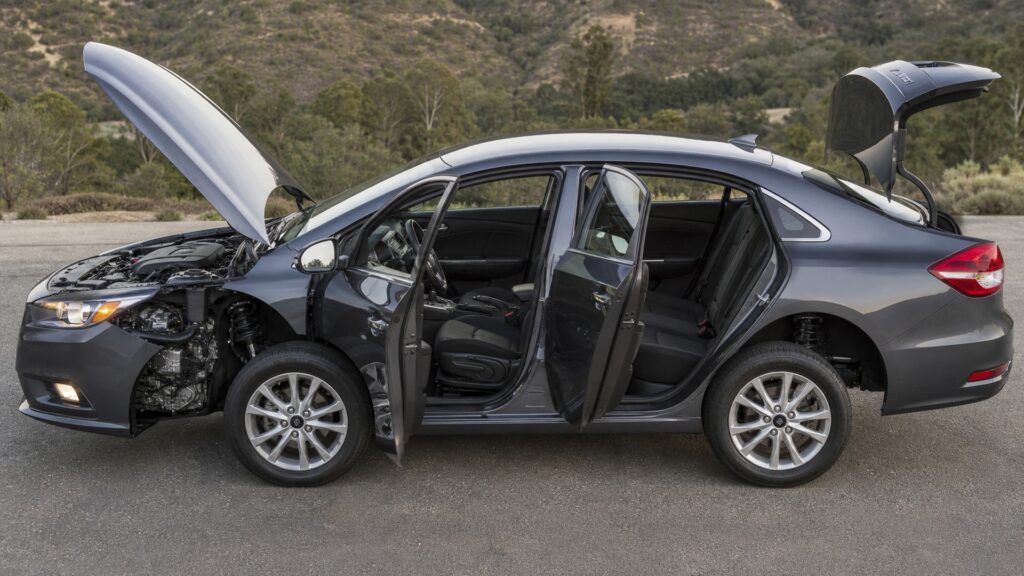
A sedan works through coordinated systems that turn stored energy into motion, support the body and occupants, steer the tires, and control speed. Its familiar passenger cabin and rear luggage space describe the body layout, while the powertrain and chassis determine much of the mechanical behavior.

Sedans can use combustion, hybrid, plug-in hybrid, or battery-electric propulsion, and they can drive different combinations of wheels. Their suspension and braking equipment also vary. Understanding the main systems helps explain ordinary driving without assuming that every four-door car contains the same hardware.

By: Review Streets Research Lab
Updated: October 5, 2026
Explainer · 8-12 min read
sedans explainer hero image for Review Streets
What You'll Learn

Follow the Systems That Move and Control a Sedan

Start with energy and trace how the complete vehicle responds to the driver.

  • Identify the actual powertrain and energy source
  • Understand how torque reaches the driven wheels
  • See how suspension and tires support the car
  • Distinguish steering, friction braking, and energy recovery
  • Connect controls and load limits to the fitted configuration

Tip: Body style tells you about the passenger and luggage arrangement; use the actual vehicle specifications to identify the mechanics.

Definitions

Six Concepts Behind Sedan Operation

Each explains a separate part of the vehicle's behavior.

Powertrain

The components that produce and deliver propulsion.

  • Example: An engine and transmission form one arrangement; battery-powered motors form another.
  • Check: Identify the actual engine, hybrid, or electric system.
  • Limit: Sedan does not specify one power source.

Drive Layout

The arrangement that delivers propulsion to front, rear, or multiple wheels.

  • Example: An all-wheel-drive version distributes driving force through its fitted system.
  • Check: Read the actual layout and operating instructions.
  • Limit: More driven wheels do not remove tire-grip limits.

Suspension

The components that support the body and guide wheel movement.

  • Example: Springs support weight and dampers control the resulting motion.
  • Check: Check the fitted design and required care.
  • Limit: A comfortable ride does not prove every component is in good condition.

Steering

The mechanism and controls used to change the vehicle's direction.

  • Example: The front wheels change angle in response to the driver's steering input.
  • Check: Learn the actual system and any fitted assistance.
  • Limit: Electronic assistance cannot overcome every surface or tire limitation.

Friction Braking

Slowing by converting motion into heat through mechanical brakes.

  • Example: Pads acting on brake discs help reduce speed.
  • Check: Maintain the brakes according to the actual schedule.
  • Limit: Electric energy recovery does not eliminate their role.

Vehicle Loading

The combined occupants and added weight carried by the car.

  • Example: Passengers and luggage both count toward the vehicle's allowance.
  • Check: Use the loading information for the actual vehicle.
  • Limit: Empty luggage space does not guarantee unused weight capacity.

Tip: The driver's controls coordinate several systems at once; a single response at the pedal can involve more than one component.

Energy and Propulsion

Different Powertrains Produce Motion in Different Ways

A combustion engine burns fuel to produce rotation. A transmission or other fitted drive arrangement matches that output to the wheels. Hybrids combine combustion and electric components, while battery-electric cars draw propulsion energy from a charged traction battery. The arrangement determines replenishment and service requirements, but it does not by itself establish passenger space or driving comfort.

  • Identify the exact powertrain before interpreting controls.
  • Distinguish non-plug-in hybrids from externally charged designs.
  • Use the required fuel or charging equipment.

Two sedans with similar bodies can have very different paths from stored energy to wheel motion.

Delivering Torque

The Drive System Connects Output With Road Grip

Gearing and other drive components transmit mechanical power to the driven wheels. Differentials and electronic controls help accommodate wheel-speed differences or manage traction, depending on the design. Front-wheel drive, rear-wheel drive, and all-wheel drive create different arrangements. Their effectiveness still depends on the tires and road surface, especially during combined turning and acceleration.

  • Learn the actual drive layout and fitted modes.
  • Use appropriate tires and maintain their condition.
  • Keep propulsion traction separate from stopping capability.

A car that starts moving readily on a slippery road may still need a much longer distance to stop.

Supporting the Body

Structure and Suspension Carry People and Luggage

The body structure supports the cabin and luggage area while the suspension transfers loads toward the wheels and tires. Springs carry weight and dampers control movement as the car travels over uneven surfaces. Designs vary, including optional adaptive equipment on some models. Occupants, luggage, and accessories all affect the loaded car and must remain within its specified limits.

  • Count passengers and added equipment with luggage.
  • Follow the actual loading and tire-pressure guidance.
  • Investigate changes in ride, noise, or uneven tire wear.

A large trunk is a space feature, not permission to fill it with any weight that physically fits.

Direction and Speed

Steering and Braking Depend on Tire Contact

Steering changes the direction of the wheels, while brakes reduce motion. Power assistance reduces driver effort but does not remove the need for tire grip. Electrified powertrains may also recover energy while slowing, with behavior that depends on conditions and settings. Mechanical brakes remain essential. Keep speed and following distance appropriate to the road rather than relying on a familiar pedal feel.

  • Learn deceleration settings on the fitted powertrain.
  • Keep the brake pedal available for required stopping.
  • Maintain tires, brakes, and steering components.

The same car can respond differently as grip, load, or system conditions change, even when the driver uses the same controls.

Electronic Coordination

Controls Help Manage Systems Within Their Limits

Electronic control units coordinate propulsion, braking, stability, temperature, and other functions. Driver aids may warn or assist within their designed conditions. A selected mode can alter specified responses without changing the car's approved loading or making every road condition suitable. Read warning messages and the actual manual, since feature names do not explain all operating limits.

  • Identify which functions are fitted and enabled.
  • Follow maintenance and warning guidance.
  • Use assistance only under its stated conditions.

The electronics support the mechanical vehicle; they do not make tire grip, component condition, or driver judgment irrelevant.

Quick Reality Check

What Body Shape and Mechanics Each Explain

A sedan's layout and its systems answer different questions.

The Body Layout Explains

How people enter, where they sit, and how luggage space is arranged.

The openings and dimensions used during passenger and cargo tasks.

The Mechanical Configuration Explains

How energy reaches the wheels and how the vehicle supports, steers, and stops.

The actual operating instructions, maintenance needs, and approved limits.

Common Myths

Misconceptions About How Sedans Work

Similar exterior shapes can hide different systems.

Every sedan uses a gasoline engine.

Sedans can have combustion, hybrid, plug-in, or battery-electric powertrains.

All-wheel drive guarantees short stopping distances.

Braking grip still depends on tires, surface, speed, and conditions.

Electric deceleration replaces mechanical brakes.

Friction brakes remain essential and energy recovery can be limited.

Drive modes increase the car's load allowance.

They change supported control behavior rather than approved weight limits.

Tip: Use the exact model's documentation to connect general principles with the controls and systems actually installed.

FAQ

Questions About Sedan Mechanics

Answers linking vehicle systems with ordinary driving.

What makes the wheels turn?

The fitted powertrain converts stored fuel or electrical energy into controlled mechanical motion delivered through the drive system.

What supports passenger and luggage weight?

The structure and suspension transfer load to the wheels and tires within the vehicle's limits.

Does sedan mean front-wheel drive?

No. Driven-wheel layouts vary by model and configuration.

Why does the car need dampers?

They control suspension motion rather than allowing the body and wheels to keep oscillating freely.

What should I learn before driving an unfamiliar sedan?

Its powertrain, gear and parking controls, braking behavior, warning indications, and assistance limits.

Bottom Line

Sedans work through coordinated propulsion, structure, suspension, tire, steering, braking, and electronic systems.

Identify the actual configuration and use its instructions to understand how the car should be driven, loaded, and maintained.

Next Steps

Go Deeper or Compare Your Options

Use these Review Streets paths to compare related categories and practical next decisions.

Technical references: Toyota owner manuals; DOE: how electric cars work; NHTSA tire guidance. Use the manual and ratings for your own model year and configuration.