
Wearable Load
Wearable load is resistance attached to the body during movement.
- Example: a weighted vest during step-ups
- Check: make sure the load stays secure
- Limit: wearable load can change posture and joint stress
Weighted training gear works by adding wearable or handheld load to exercises that would otherwise rely on bodyweight, light implements, or normal movement. The added weight changes effort, posture, balance, joint stress, and fatigue, so the gear has to match the exercise and the user's control level.
The category can include weighted vests, ankle weights, wrist weights, weighted belts, weighted gloves, sand-filled tools, and similar accessories. The value comes from controlled overload, not simply making every movement heavier.
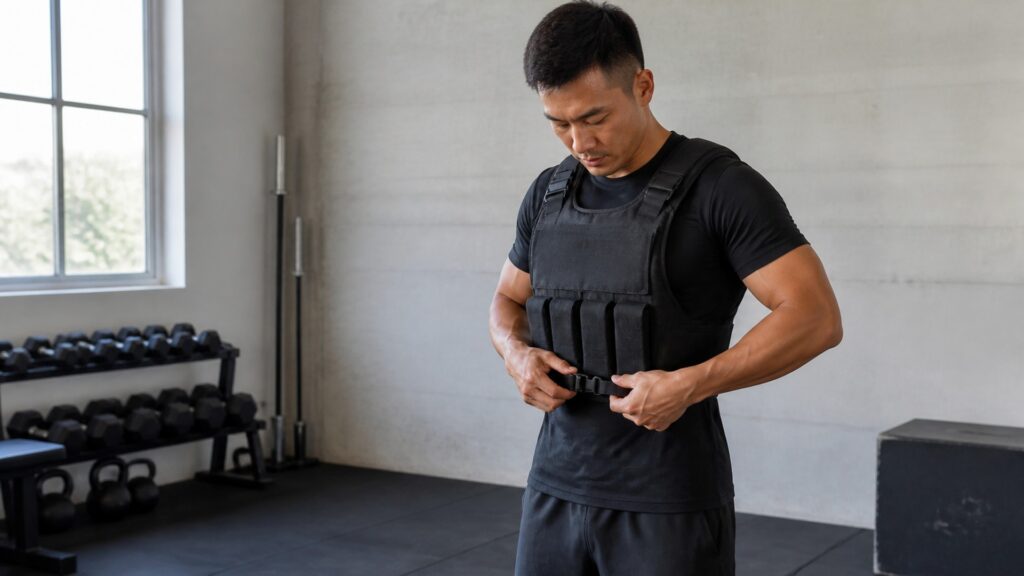
A practical look at weighted vests, ankle weights, wrist weights, belts, gloves, and other loaded accessories.
Tip: Add load only when it improves the movement you already control.
These concepts clarify the practical signals readers should check before choosing equipment or planning workouts.
Wearable load is resistance attached to the body during movement.
Load placement is where the added weight sits on the body or tool.
Progressive overload is gradually increasing training demand over time.
Movement quality is how well the exercise stays controlled, aligned, and repeatable.
Joint demand is the stress added to ankles, knees, hips, shoulders, or spine.
Secure fit is how reliably the gear stays in place during training.
Tip: The best equipment choice is the one that matches the training job, available space, and user's current ability.
The simplest function of weighted gear is to make an existing movement harder. That can be useful for walking, step-ups, push-ups, pull-ups, squats, or controlled conditioning when the load is appropriate.
The gear should challenge the exercise without rewriting it.
A vest loads the torso differently from ankle weights or wrist weights. Load near the center of the body usually behaves differently from load placed at the end of a limb.
Total weight matters less than how that weight changes movement.
Weighted gear can make progression simple, but it can also encourage jumps that are too large. The goal is a useful increase in demand without losing control.
Good progression is controlled enough to repeat.
Some drills lose value when extra weight changes speed, rhythm, or joint position. Weighted gear should be avoided when the load creates awkward mechanics or discomfort.
Added weight is useful only when the movement still makes sense.
Weighted gear should stay secure during the actual movement, not just while standing still. Fit, bounce, rubbing, and shifting can all affect training quality.
Fit is part of performance and safety.
Weighted gear can add practical overload, but it is not the right tool for every movement.
It can make bodyweight strength and walking drills more challenging.
It can provide hands-free load when fit and placement are appropriate.
It can change mechanics, joint stress, or balance in unwanted ways.
It may be less precise than dumbbells, bands, or machines for some goals.
Added weight is not automatically better training.
More weight helps only when the movement stays controlled and appropriate.
Small weights at the end of a limb can change joint forces and mechanics.
It can support some exercises, but it does not replace every resistance tool.
Poor fit can shift load and change the exercise.
Tip: Treat strong claims as reasons to inspect the workout fit more closely.
Short answers for practical training and buying decisions.
It is often best for controlled bodyweight exercises, walking, step-ups, and gradual overload when fit is secure.
They solve different problems. Vests load the torso, while ankle weights load the limb and can change mechanics more.
Start light enough that form, range, and comfort stay consistent.
Usually with caution. Extra load can alter speed mechanics and may not fit the goal.
Weighted gear works by adding controlled load, but placement and movement quality decide whether it helps.
Weighted training gear works by adding load to familiar movements in a way that changes effort, posture, and progression.
It is most useful when the load is secure, gradual, and matched to the exercise.
Use these Review Streets paths to compare related categories and practical next decisions.
Review how weighted gear should fit the training goal.
Compare weighted gear with speed-focused equipment.
See when sprint tools matter more than bodyweight setups.
Choose a retailer
Prices checked regularly. We may earn a commission at no cost to you.