
Training Function
Training function is the job the weighted gear serves in the workout.
- Example: using a vest to progress push-ups
- Check: name the purpose before adding load
- Limit: harder does not always mean better
Training function matters in weighted training gear because added load can serve different jobs: strength progression, conditioning, posture challenge, rehab support, walking intensity, or sport-specific preparation. The same weighted vest or ankle weight can be useful, unnecessary, or distracting depending on its role.
Good weighted gear is not valuable because it makes movement harder in general. It is valuable when the added load supports a clear training purpose without damaging movement quality.
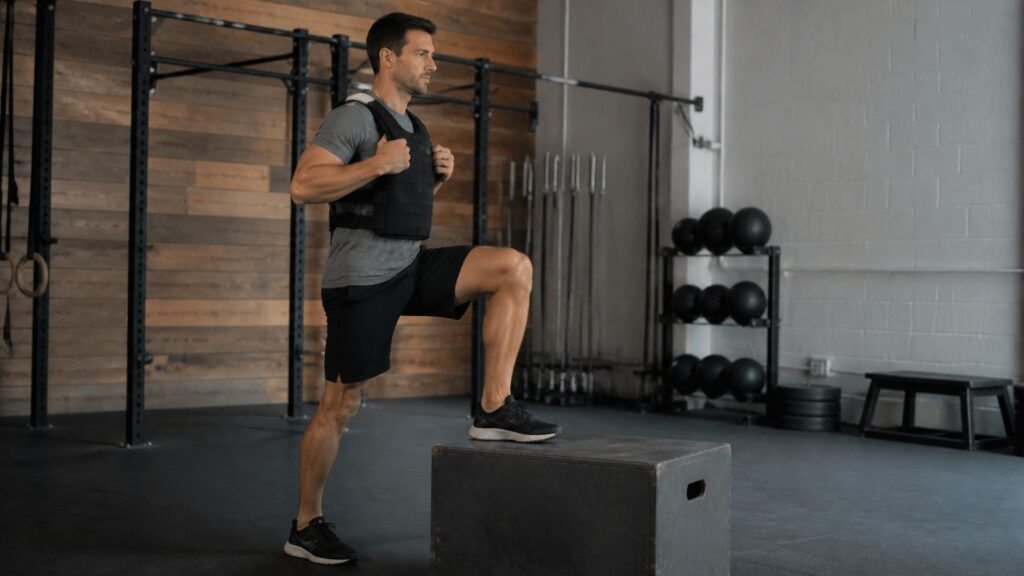
A practical look at why load, placement, progression, and exercise choice should match the goal.
Tip: The best weighted gear has a job beyond making the workout harder.
These concepts clarify the practical signals readers should check before choosing equipment or planning workouts.
Training function is the job the weighted gear serves in the workout.
Strength progression uses added load to make controlled exercises more challenging over time.
Conditioning load adds resistance to repeated or longer efforts.
Placement match is whether the gear sits where the exercise can tolerate added resistance.
Fit stability is how well the gear stays in place during the drill.
A progression step is the size of the increase in load or difficulty.
Tip: The best equipment choice is the one that matches the training job, available space, and user's current ability.
Weighted gear should solve a specific training problem. It might make a bodyweight exercise harder, increase walking effort, or free the hands during loaded movement.
Clear function prevents pointless difficulty.
For strength progression, weighted gear should let the user add load without changing the exercise beyond recognition. Belts and vests often work better than limb weights for many strength movements.
Strength loading should make progress easier to track.
Weighted vests and similar gear can increase effort during walking or circuits, but comfort and posture matter. If the gear changes gait or causes rubbing, the function may not be worth it.
Conditioning load should be sustainable enough to repeat.
Load placement affects whether weighted gear supports the exercise. Weight near the torso behaves differently from weight on wrists or ankles, especially during faster movement.
Good placement helps the gear do its job.
If weighted gear makes the movement sloppy, painful, or hard to repeat, the function is failing. The best sign is a clear challenge with clean execution.
Useful load improves training without stealing control.
Function-based evaluation keeps weighted gear tied to useful training goals.
It clarifies whether the gear is for strength, conditioning, walking, or skill support.
It helps match load placement and progression to the exercise.
It cannot make poor fit or poor technique safe.
Some goals are better served by dumbbells, bands, machines, or bodyweight progressions.
Making a drill harder is not always the same as improving it.
Added weight helps only when it supports the goal and preserves movement quality.
Different exercises and users need different load amounts and placement.
Conditioning load should be repeatable and controlled.
Load at the wrists or ankles can change mechanics even when the weight is small.
Tip: Treat strong claims as reasons to inspect the workout fit more closely.
Short answers for practical training and buying decisions.
It determines whether weighted gear should be used for strength, conditioning, walking, or another specific purpose.
Secure vests or belts often work well when they preserve the exercise pattern and allow gradual loading.
Yes, especially when the load is comfortable, stable, and does not disrupt posture or gait.
If range, control, comfort, or repeatability drops sharply, the load is probably too high.
Use weighted gear when the added load serves a clear training function.
Training function matters because weighted gear can support several goals, but only when the load serves the exercise.
The best use adds a controlled challenge while preserving fit, posture, and movement quality.
Use these Review Streets paths to compare related categories and practical next decisions.
Review how weighted accessories add load.
Compare training function in speed equipment.
See how sprint-focused tools differ from weighted accessories.
Choose a retailer
Prices checked regularly. We may earn a commission at no cost to you.