When to Use Speed Training Equipment Instead of Bodyweight Training Equipment

Use speed training equipment instead of bodyweight training equipment when the workout needs sprint-specific setup, resisted acceleration, timing feedback, stride spacing, reaction cues, or repeatable speed testing. Bodyweight equipment can build strength, control, and general conditioning, but it usually does not organize sprint distance, speed feedback, or acceleration load by itself.

The choice depends on the training problem. If the athlete needs stronger push-ups, pull-ups, core control, or portable strength, bodyweight tools may be enough. If the athlete needs faster starts, cleaner sprint rhythm, measured speed, or resisted sprint practice, speed training equipment is the better fit.

By: Review Streets Research Lab
Updated: October 5, 2026
Explainer · 8-12 min read
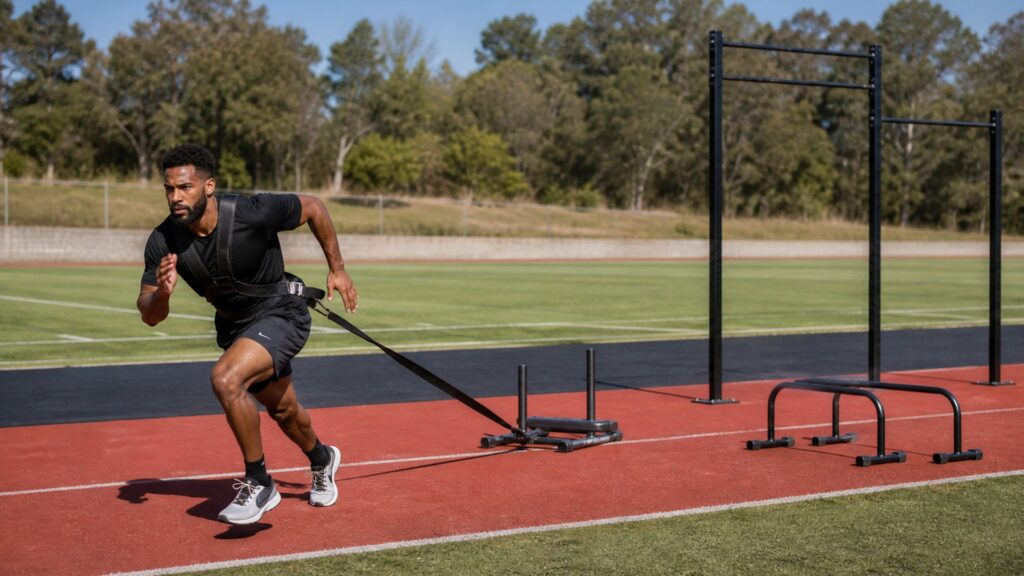
speed training equipment explainer hero image for Review Streets
What You'll Learn

When Speed Equipment Is The Better Fit

A practical way to choose sprint-focused tools instead of bodyweight-focused equipment.

  • Why sprint goals often need more than bodyweight gear
  • How timing, spacing, and resistance change speed work
  • Where bodyweight equipment remains the simpler choice
  • When to combine strength control with speed tools
  • What to check before buying speed gear

Tip: Choose speed equipment when the session needs sprint-specific structure that bodyweight tools cannot provide.

Definitions

Key Concepts Behind Speed Training Equipment Instead of Bodyweight Training Equipment

These concepts clarify the practical signals readers should check before choosing equipment or planning workouts.

Sprint-Specific Setup

Sprint-specific setup organizes distance, start position, spacing, and recovery for speed work.

  • Example: cones and timing gates for 10-yard starts
  • Check: set consistent start and finish points
  • Limit: setup does not replace mechanics

Bodyweight Support

Bodyweight support uses bars, straps, rings, or parallettes to train strength and control with body mass.

  • Example: pull-up work for upper-body strength
  • Check: decide whether strength control is the real goal
  • Limit: it may not measure or load sprinting directly

Resisted Acceleration

Resisted acceleration adds controlled load to sprint starts.

  • Example: light sled pulls
  • Check: keep the athlete moving fast
  • Limit: too much load can change the drill

Timing Feedback

Timing feedback measures whether speed is improving across efforts.

  • Example: comparing repeat 20-yard sprint times
  • Check: use consistent timing rules
  • Limit: numbers need context from mechanics and fatigue

Stride Spacing

Stride spacing uses markers to guide rhythm or step pattern.

  • Example: wickets set for sprint mechanics
  • Check: adjust spacing to the athlete
  • Limit: forced spacing can create awkward movement

Training Transfer

Training transfer is how well the exercise supports the desired performance outcome.

  • Example: using sled starts for acceleration rather than general leg fatigue
  • Check: connect each drill to the speed goal
  • Limit: transfer depends on execution and recovery

Tip: The best equipment choice is the one that matches the training job, available space, and user's current ability.

Best Fit

Choose Speed Equipment When Sprint Quality Is The Goal

Speed equipment is the better choice when the session needs sprint starts, timed distances, stride rhythm, resisted acceleration, or reaction cues. Those jobs are hard to create with bodyweight equipment alone.

  • Use cones or markers for distances.
  • Use timing when improvement needs to be measured.
  • Use resisted tools only when mechanics stay fast.

Speed gear makes the sprint work more specific.

Bodyweight Fit

Use Bodyweight Equipment For Strength And Control

Bodyweight tools can be valuable for general strength, pulling, pushing, bracing, mobility, and skill control. They may support an athlete's foundation without replacing speed-specific work.

  • Use bars, rings, straps, or parallettes for control.
  • Build strength without needing a sprint lane.
  • Keep the goal separate from speed testing.

Bodyweight equipment is useful when the main need is strength control, not sprint setup.

Feedback

Speed Goals Need Measurement More Often

A speed session can feel productive without getting faster. Timing tools and consistent distances help reveal whether the athlete is improving or simply working hard.

  • Track repeatable distances.
  • Watch for time drop-offs.
  • Use feedback to adjust rest or drill choice.

Measurement keeps speed work honest.

Combination

The Categories Can Support Each Other

A useful program may use bodyweight equipment for strength and control, then speed equipment for sprint-specific work. The key is not to ask one category to do everything.

  • Use bodyweight tools for support work.
  • Use speed tools for fast movement and timing.
  • Separate fatigue work from speed quality when needed.

Together, the categories work best with distinct roles.

Practical Check

Buy The Tool That Solves The Missing Piece

If the missing piece is sprint feedback, acceleration resistance, or marked distances, speed equipment belongs first. If the missing piece is body control or basic strength, bodyweight equipment may be the better start.

  • Name the missing training quality.
  • Choose the equipment that directly supports it.
  • Avoid buying speed gear without space to use it.

The missing piece should decide the category.

Quick Reality Check

Where Speed Equipment Wins And Where Bodyweight Tools Stay Better

The decision depends on whether the workout needs sprint specificity or strength control.

Speed Equipment Wins When

The goal is acceleration, timing, sprint rhythm, reaction, or resisted speed.

The athlete has space to run and recover between fast efforts.

Bodyweight Tools Stay Better When

The goal is portable strength, pulling, pushing, bracing, or body control.

The available space cannot support safe sprint drills.

Common Myths

Misconceptions About Speed Equipment And Bodyweight Tools

Both categories can help athletes, but they do different jobs.

Bodyweight work is enough for speed by itself

Strength and control help, but sprint-specific practice still matters.

Speed equipment replaces strength work

Speed tools organize sprinting, but athletes still need appropriate strength and control.

Timing tools are only for elite training

Simple timing can help any athlete when the setup is consistent.

Resisted sprints should always be heavy

Loads should preserve fast mechanics and the drill's purpose.

Tip: Treat strong claims as reasons to inspect the workout fit more closely.

FAQ

Frequently Asked Questions About Speed Gear Versus Bodyweight Gear

Short answers for practical training and buying decisions.

When should I choose speed equipment?

Choose it when the goal is acceleration, sprint mechanics, timing, reaction, or resisted speed.

When is bodyweight equipment enough?

It may be enough for strength control, pulling, pushing, mobility, and general conditioning.

Can bodyweight strength improve speed?

It can support speed, but it does not replace sprint-specific practice and feedback.

What should I check before buying speed gear?

Check available sprint space, surface, timing needs, resistance level, and recovery plan.

What is the practical takeaway?

Use speed equipment for sprint-specific work and bodyweight equipment for strength and control support.

Bottom Line

Use speed training equipment when the workout needs sprint-specific setup, timing, resistance, or reaction cues.

Use bodyweight equipment when strength control and portable setup matter more than measured speed work.

Next Steps

Go Deeper or Compare Your Options

Use these Review Streets paths to compare related categories and practical next decisions.