
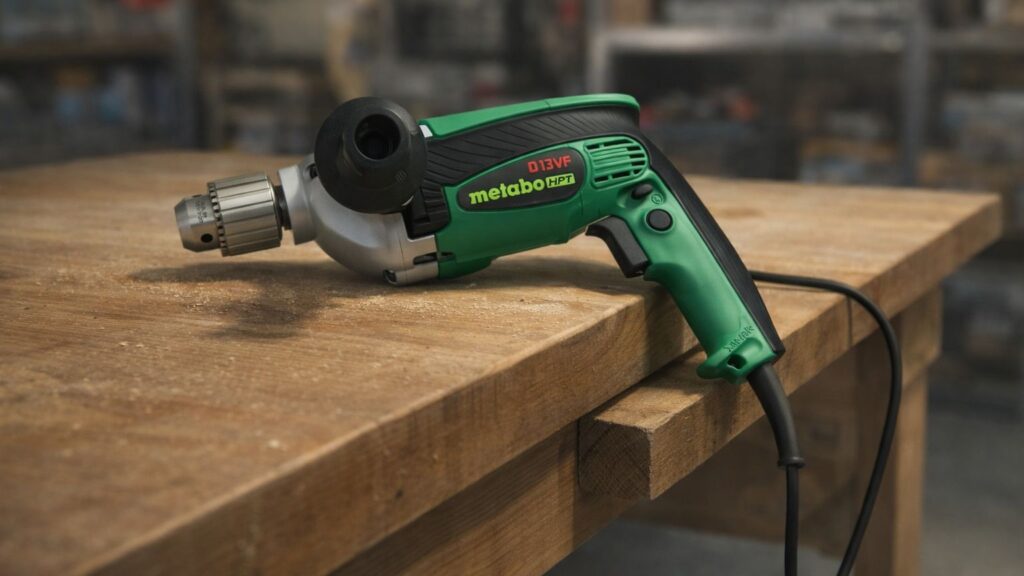
The Metabo HPT D13VF corded drill delivers consistent power and variable speed control for demanding workshop and jobsite tasks. In this review, we evaluate real-world performance, handling, durability, and key tradeoffs, outlining where it excels and where limitations may influence your decision compared to similar corded models.
Metabo HPT D13VF Corded Drill Review: Performance, Pros, and Cons
By: Review Streets Research Lab
Updated: April 2, 2026
Approx. 8–10 min read
Quick Summary
The Metabo HPT D13VF is a straightforward corded drill that feels steady under load, with predictable speed response that supports cleaner starts and controlled drilling in wood, metal, and general shop tasks. It’s a strong fit for bench work and longer sessions where consistent power matters, though the cord can limit mobility and convenience compared to cordless alternatives.
8.3
Score
Best for: Workshop drilling & steady power
Pros & Cons
Metabo HPT D13VF: what we liked (and what we didn’t)
A quick look at the biggest strengths and tradeoffs based on performance, handling, and everyday usability.
Pros
- Steady Under Load: Maintains a consistent drilling feel in tougher materials without frequent slowdowns.
- Controlled Starts: Predictable trigger response helps prevent bit walking and keeps holes cleaner and more accurate.
- Workshop Friendly: A dependable choice for bench work where continuous power and repeatability matter.
- Confidence Grip: Secure handling supports better control in longer sessions and when switching between bits.
- Durable Impression: Feels built for regular use with fewer “delicate tool” moments during everyday drilling.
Cons
- Cord Constraints: The cord can slow movement and setup, especially when working away from outlets.
- Bulkier Handling: Less convenient in tight spaces where a shorter, lighter drill is easier to position.
- Fatigue Potential: Extended overhead or ladder work can feel more tiring than with compact cordless options.
- No Battery Convenience: If you value quick grab-and-go jobs, corded power may feel less flexible day to day.
Specs
Metabo HPT D13VF key specifications
These are the core specs and practical details most buyers compare across top corded drills.
| Spec | Metabo HPT D13VF |
|---|---|
| Type | Corded drill (variable-speed, reversible) |
| Platform | Corded (no battery platform) |
| Voltage | 120V AC (corded) |
| Speed | Variable speed (manufacturer-rated; exact range varies by listing) |
| Chuck | 1/2" keyed chuck |
| Torque | Not typically torque-rated for corded drills; depends on bit/load |
| Length | Approx. 11–12" class (full-size corded drill) |
| Weight | Approx. 4–5 lb class; balance shifts with side handle use |
| Clutch settings | No clutch; variable-speed trigger with forward/reverse |
| LED light | No |
| Included | Tool with chuck key; side handle included on many kits (varies by package) |
| Best use | General drilling in wood and metal, shop/bench work, consistent power sessions |
| Warranty | Metabo HPT limited warranty (varies by region/product) |
Performance
How the Metabo HPT D13VF performs
We evaluated drilling speed, power delivery, start-up control, and day-to-day handling across common workshop, homeowner, and remodel tasks to show how this corded drill behaves when you’re moving between materials and working for longer stretches.
Drilling Speed
Moves through wood and light metal at a confident pace, with consistent progress as long as the bit stays sharp and aligned.
Torque & Power
Feels steady under load for typical drilling and larger bits, with fewer slowdowns than many value corded drills.
Control & Handling
Predictable trigger response makes it easier to start holes cleanly and avoid sudden surges, especially on smoother surfaces.
Balance & Comfort
Comfortable for bench-height work and repeated drilling, but longer overhead tasks can feel tiring compared with compact cordless options.
Noise & Vibration
Runs in the typical corded range—noticeable sound and some vibration during harder work, but not unusually harsh for the class.
Overall Performance
A reliable, workmanlike corded drill that prioritizes steady power and control over portability and tight-space convenience.
Testing note: Performance observations reflect practical drilling and handling across common shop and home materials, focusing on control, steadiness under load, and usability during typical project workflows.
Build Quality
Build quality & durability
The Metabo HPT D13VF has a straightforward, workmanlike build that feels ready for regular shop and homeowner use. The housing feels rigid in the hand, the grip stays secure even when dusty, and the overall balance favors steady drilling over compact convenience.
Key contact points—chuck, front housing, and switches—feel cohesive with minimal looseness during use. The keyed chuck interface inspires confidence for keeping bits seated, and the controls feel predictable rather than delicate. In practice, that helps reduce re-adjustments and keeps drilling lines more consistent.
In day-to-day handling, it feels comfortable being moved around a workspace, set down between tasks, and used in longer stretches without feeling finicky. Heat buildup feels manageable in typical drilling cycles, and the tool gives the impression it can handle routine bumps and transport without needing to be babied.
The tradeoff is portability: as a full-size corded drill, it’s less nimble in tight bays and overhead positions than smaller cordless options. If your priority is a solid, steady tool for repeated drilling sessions, the sturdier feel can be worth the added bulk and the corded workflow.
Setup & Maintenance
Setup, daily use, and upkeep
The Metabo HPT D13VF is simple to set up—use the keyed chuck correctly, match your trigger speed to the material, and lean on steady pressure rather than forcing the bit. Most day-one success comes from choosing the right bit, controlling starts, and keeping a consistent angle so you get cleaner holes and fewer stalls across a project.
Best setup for common tasks
- Wood Drilling: Use a sharp brad-point or spade bit, start slow to seat the tip, then increase speed once the hole is established.
- Metal Drilling: Start at a slower trigger speed with firm bracing, use cutting fluid when appropriate, and clear chips regularly for smoother progress.
- Hole Saws: Begin with controlled speed and steady support, keep the saw level, and back out periodically to reduce heat and binding.
- Mixing Tasks: Use low, consistent speed and a stable two-hand grip to keep the paddle centered and reduce splashing or sudden grab.
What to do for smoother starts
- Feather First: Ease into rotation for the first second to prevent bit skating and keep the hole centered.
- Use A Pilot: Mark the spot with an awl or punch, or drill a small pilot hole to guide larger bits.
- Square The Tool: Set your angle before pulling the trigger so the bit enters cleanly without wobble.
Maintenance (simple but important)
- Chuck Care: Keep the chuck jaws clean and tighten evenly so bits seat straight and don’t slip under load.
- Cord Check: Inspect the cord for kinks or nicks and store it loosely to prevent strain near the plug and tool entry.
- Vent Cleaning: Brush off dust buildup around vents so airflow stays open during longer drilling sessions.
- Bit Condition: Replace or sharpen bits when cutting slows—dull edges increase heat, wandering, and the chance of bind-ups.
Tip: For larger bits and tougher materials, keep two hands on the tool, brace the workpiece, and start at a controlled speed before ramping up. Let the bit cut without forcing it, and ease off if you feel it begin to grab—this improves accuracy and helps prevent sudden bind-ups.
Real-World Use
Where the Metabo HPT D13VF fits best
On paper, the Metabo HPT D13VF is a corded drill built around steady power and straightforward control. In real projects, it makes the most sense when consistent output and predictable handling matter more than portability or tight-space maneuverability.
Workshop and bench projects
Well suited for shop environments where outlets are nearby and tasks repeat throughout the day. It maintains a steady feel for drilling wood and metal, making it a dependable choice for furniture builds, repairs, and fixture prep.
Home repairs and upgrades
For installing hardware, boring larger holes, or tackling weekend renovation tasks, the consistent corded power helps avoid slowdowns. It supports controlled starts and clean holes when accuracy matters on visible surfaces.
Material mixing and utility tasks
Its steady rotation and solid grip make it useful for light mixing duties and other utility work where uninterrupted power is helpful. The corded design supports longer runs without worrying about battery swaps.
Where it’s less ideal
In tight framing bays, overhead positions, or quick grab-and-go jobs, the cord and full-size body can feel restrictive. If mobility and compact access are top priorities, a smaller cordless drill may be more convenient.
Value
Is the Metabo HPT D13VF worth it?
The Metabo HPT D13VF makes the most sense when you want reliable corded performance for repeat drilling, tougher materials, or longer work sessions where steady output matters. If your use is mostly quick, occasional tasks, a simpler or more compact option may deliver all the capability you need for less overall hassle.
Price-to-performance takeaway
You’re paying for consistent power delivery, predictable control, and a durable, no-battery ownership experience. The value shows up most for workshop and home users who don’t want downtime from charging or swapping packs, while shoppers prioritizing mobility may find a mid-tier cordless drill a better day-to-day fit.
Tip: Compare the total ownership path you prefer: corded avoids battery and charger costs, while cordless can be a better buy if you already own compatible batteries and want maximum mobility for around-the-house work.
FAQ
Metabo HPT D13VF FAQ
Quick answers to the most common questions about the Metabo HPT D13VF—use cases, everyday expectations, and practical tradeoffs for a corded drill.
Is the Metabo HPT D13VF a brushless drill?
No. As a corded drill, it doesn’t use a battery-driven brushless system. In practical terms, the appeal is consistent wall-power performance rather than battery efficiency features.
Does the D13VF use a battery platform?
No. This is a corded drill, so it plugs into standard household power. That can be a plus for longer sessions, but it also means you’re working around a cord and outlet access.
Is the Metabo HPT D13VF a hammer drill?
It’s a standard corded drill, not a hammer drill. It’s well suited for wood and metal, but for drilling into concrete, block, or brick, a hammer drill or rotary hammer is the more appropriate tool.
Who is this drill best for?
It’s best for workshop and home users who want steady power for repeat drilling tasks—projects where reliability, controlled starts, and longer run time matter more than cordless mobility.
Is it overkill for basic DIY?
Not necessarily, but it may be more tool than you need if your projects are quick, occasional jobs where setup time and portability matter most. For frequent drilling sessions, the consistent corded power can be a practical advantage.
What should I look for when buying it?
Check what’s included in the package—some listings include a side handle and chuck key, while others may vary. Also consider your typical work area: if you often drill away from outlets, a cordless drill may fit your workflow better.
What are the most common downsides?
The main tradeoffs are cord management, reduced mobility, and a larger feel compared with compact cordless drills. It can also be less convenient for ladder work or tight spaces where a shorter, lighter tool is easier to control.
Alternatives
Best alternatives to the Metabo HPT D13VF
If you’re committed to a corded drill but want a different balance of power, size, or price, these corded alternatives represent the most relevant tradeoff directions to compare.
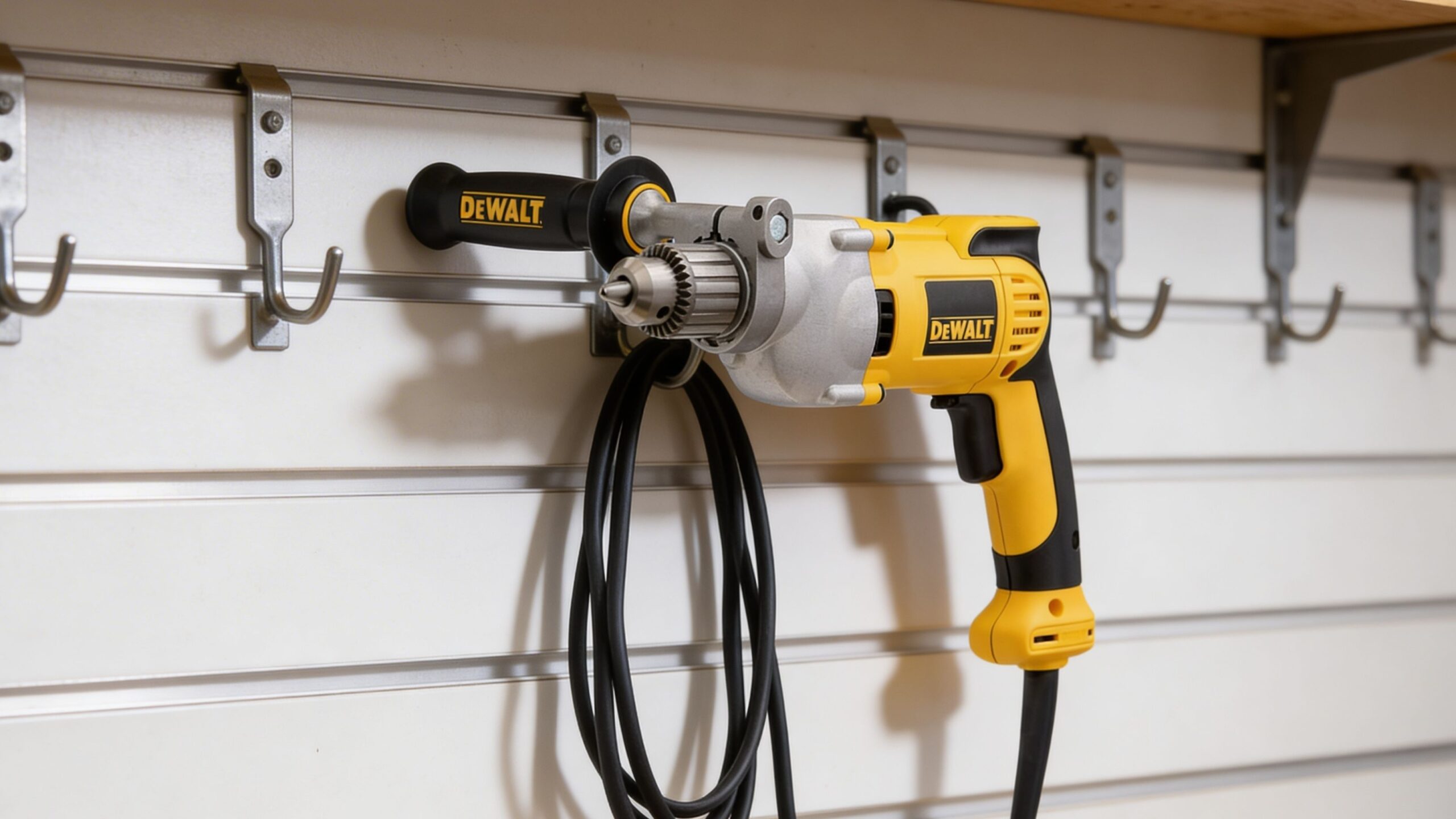
DeWalt DWD115K (3/8" corded)
Lighter duty
A good option if you want a smaller, lighter corded drill for basic household projects. It’s easier to handle for quick tasks, though it’s not built for the same heavier drilling loads as a full-size 1/2" model.
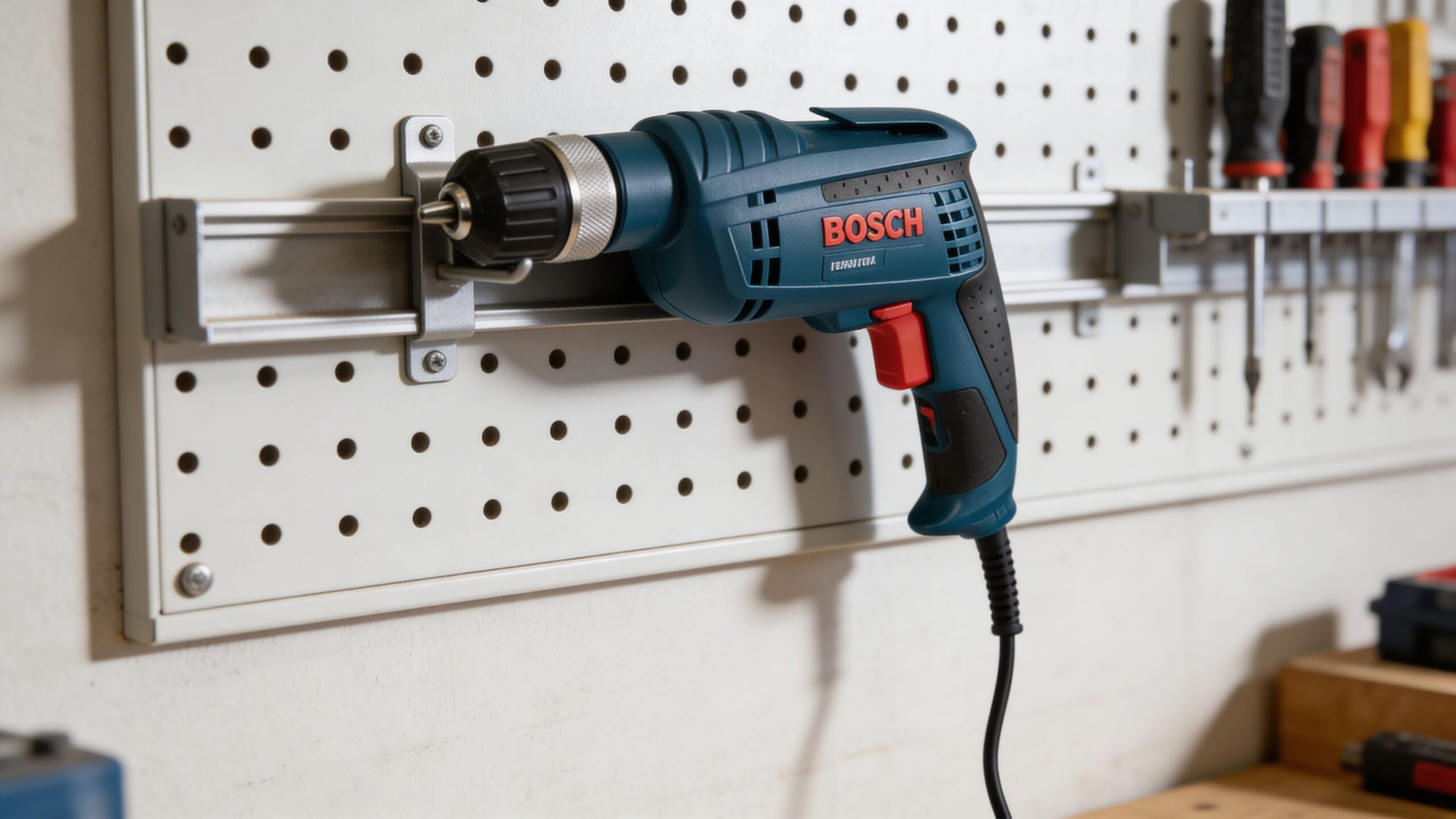
Bosch 1006VSR (3/8" corded)
Best value
Typically positioned as a budget-friendly corded drill for light-to-moderate work. It’s a sensible pick if cost is the main driver and your projects don’t regularly demand larger bits or sustained heavy drilling.
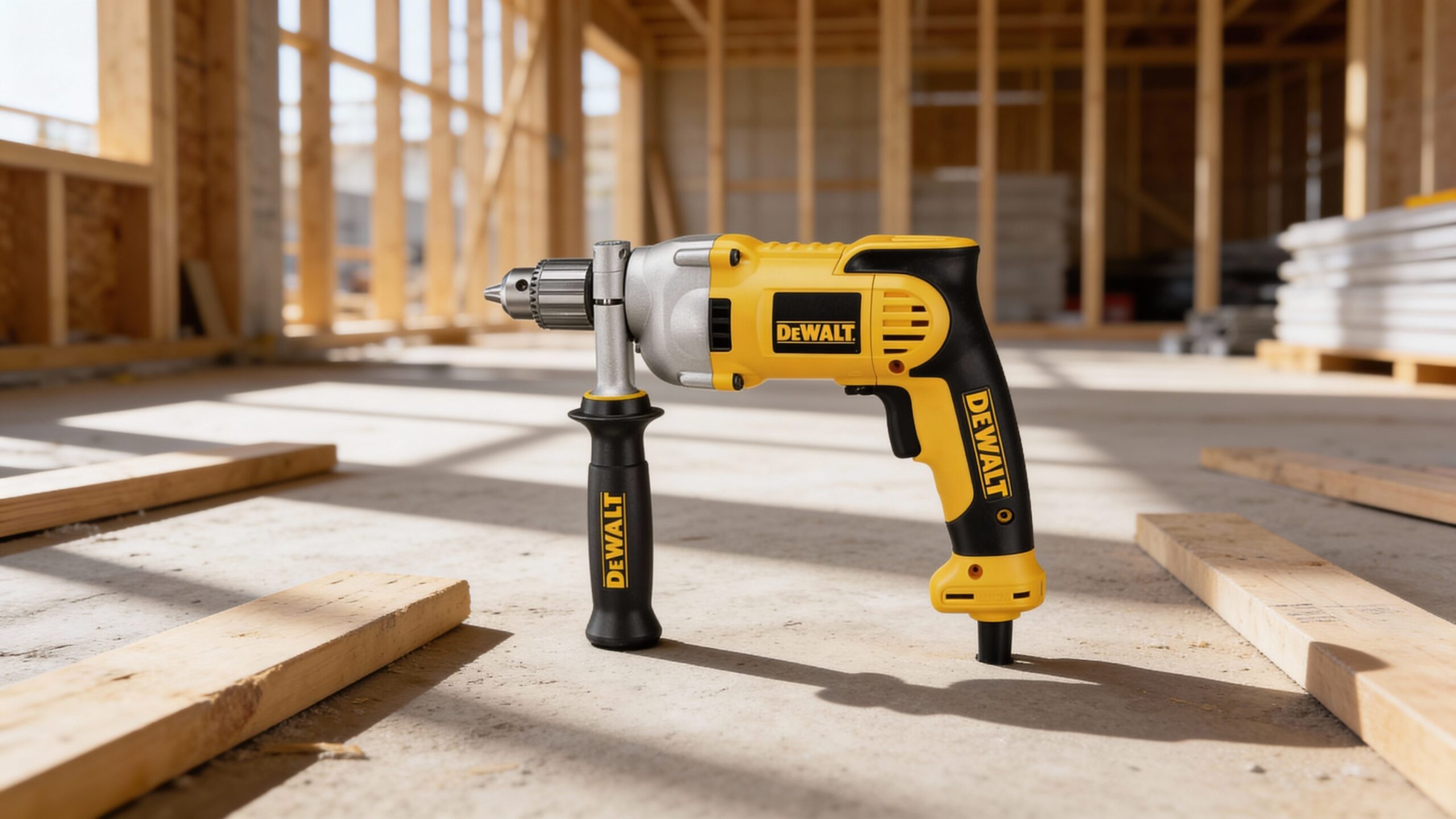
DeWalt DWD210G (1/2" corded)
Heavier duty
A step up if you want a more robust corded drill for larger bits and tougher materials. It favors power and durability, though it comes with added weight and a more substantial feel during extended use.
Sources
Sources & reference notes
Specifications and key product details referenced in this review were verified using publicly available manufacturer information and current product listings. Where configurations vary by package, we note differences directly in the article.
- Metabo HPT — product documentation and published specifications for the Metabo HPT D13VF corded drill.
- General corded drill category references used to confirm standard terminology, common use cases, and typical feature expectations for this class.
- Retail product listings used to confirm current naming, model variations, and what’s included in different packages (such as chuck key and side handle).
Where to Buy
Metabo HPT D13VF
Corded 1/2" Drill
Typical price range: $59–$129
Pricing varies by retailer and included accessories (such as side handle and chuck key). Corded models do not include batteries or chargers.
Check Current PriceReview Snapshot
Metabo HPT D13VF
8.3
Steady corded power + control
Best for workshop and home drilling where consistent output matters, with the tradeoff of cord management and less mobility.
- Performance: Maintains a composed feel in tougher drilling without frequent slowdowns
- Handling: Predictable starts and steady grip, but bulkier for tight or overhead work
- Value: Strong pick if you want corded reliability and don’t want battery ownership
Top 10 List
See the best corded drills right now
Want the full picture? Our Top 10 breaks down the best corded drills by performance, handling, and long-term value.
View the Top 10Compare Models
Compare this drill head-to-head
See how the Metabo HPT D13VF stacks up against other top corded drills across power delivery, control, and everyday usability.
View ComparisonsAccessories You’ll Want
- Keyed chuck key spare (easy backup to avoid downtime if the original goes missing mid-project)
- Bradboint and twist drill bit assortment (clean starts in wood and reliable drilling in metal without wandering)
- Step bits and deburring tool (cleaner holes in sheet metal and faster finish work on electrical or hardware installs)
- Right-angle attachment (helps reach tight corners and between framing where the drill body won’t comfortably fit)
- Long bit extensions (adds reach for deep holes and awkward angles without forcing your wrist position)
Tip: With a corded drill, compatibility is mostly about the chuck and bit shank styles—keep quality bits on hand and choose accessories that fit your keyed chuck securely for straighter holes and fewer mid-task adjustments.