What Makes Coupe Cars Different from Luxury Sedans

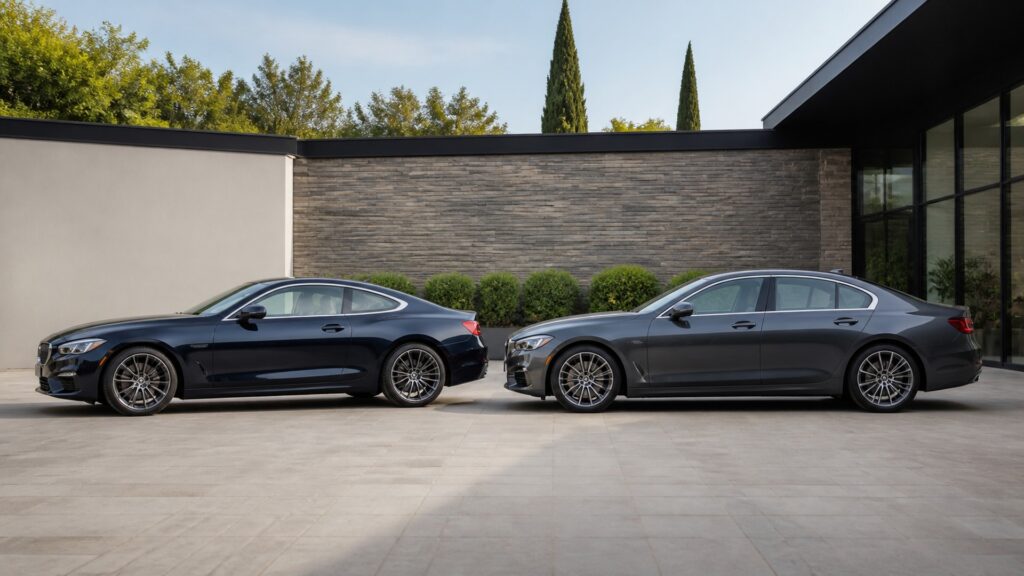
A traditional coupe usually trades separate rear passenger doors for a two-door body and a lower, more closely shaped roofline. A luxury sedan typically combines four-door access with an emphasis on comfort, refinement, and premium equipment. The clearest differences are how people enter, where they sit, and which compromises the body makes for its shape.

Luxury is not exclusive to sedans, and sporty driving is not exclusive to coupes. A coupe can be luxurious, while a sedan can be performance-focused. Compare the actual passenger access, seating, luggage space, ride, and equipment before treating either description as a promise about the whole car.

By: Review Streets Research Lab
Updated: October 6, 2026
Explainer · 8-12 min read
coupe cars explainer hero image for Review Streets
What You'll Learn

Compare Access, Comfort, and Body Shape

See which differences affect repeated journeys rather than showroom impressions.

  • Separate a body description from luxury positioning.
  • Test rear-seat access with the intended passengers.
  • Check long-door clearance where you park.
  • Compare comfort and refinement on real roads.
  • Inspect luggage openings and exact equipment.

Tip: Use the same passengers and typical luggage when evaluating both cars.

Definitions

The Design Choices Behind Coupes and Luxury Sedans

These features explain the practical tradeoffs.

Traditional coupe

A traditional coupe is a passenger-car body commonly using two side doors and a relatively low roof profile.

  • Example: rear entry past a moved front seat
  • Check: the actual door and seating arrangement
  • Limit: manufacturers sometimes use the name more broadly

Luxury positioning

Luxury positioning emphasizes premium comfort, finish, equipment, and refinement.

  • Example: supportive seats and carefully controlled cabin noise
  • Check: the actual execution of the features
  • Limit: it does not require a sedan body

Rear-door access

Rear-door access gives back-seat occupants a separate entry opening.

  • Example: entering the rear cabin without moving the front seat
  • Check: opening size and ease of entry
  • Limit: four doors do not guarantee generous rear space

Roof clearance

Roof clearance is the usable space above an occupant in a natural seating position.

  • Example: rear headroom with the front seat correctly set
  • Check: the actual passenger posture
  • Limit: a low exterior roof does not quantify interior room

Ride refinement

Ride refinement is the way suspension, tires, seats, and body control manage road disturbances.

  • Example: crossing rough pavement without harsh impacts
  • Check: the exact wheel and suspension specification
  • Limit: a luxury badge does not guarantee your preferred ride

Luggage aperture

The luggage aperture is the entrance through which belongings must pass.

  • Example: a rigid suitcase going through the trunk opening
  • Check: width, height, and closed clearance
  • Limit: compartment volume does not describe the opening

Tip: Test a physical feature directly rather than inferring it from the body name.

Passenger Access

Separate Rear Doors Change the Repeated Task

A four-door sedan usually lets rear passengers enter without disturbing the front seat. In a traditional coupe, entry may require a front seat to tilt or slide, followed by its correct return. That can be a minor issue for occasional passengers and a daily irritation for a household that repeatedly uses the back seats.

  • Try entry and exit with the intended passengers.
  • Check the front seat after returning it.
  • Consider child-seat access if relevant.

The important difference is the task you repeat, not merely the number printed beside the model name.

Parking

A Long Front Door Needs Working Room

Two-door cars often use long front doors to support access. In a narrow garage or parking bay, the opening available may be less useful than it appeared in a showroom. Sedans also vary in door geometry, so compare the actual opening rather than assuming every four-door car is easy to enter.

  • Check the space beside your usual parking position.
  • Try getting in with normal clothing and bags.
  • Assess the driver's reach to the open door.

A coupe that fits within the parking-space outline may still be awkward to use once another car is beside it.

Seating

Comfort Depends on the Occupants and the Journey

A descending roof and compact rear cabin can affect headroom and posture, but not all coupes are cramped and not all luxury sedans are spacious. Set the front seats for their regular users before evaluating the rear. Spend time in the seats instead of judging comfort from a brief sit.

  • Check headroom without slouching.
  • Assess support on a longer test drive where practical.
  • Include rear foot space and control access.

A seat acceptable for a ten-minute trip may not suit the same passenger for an afternoon on the highway.

Refinement

Compare the Specification Behind the Badge

Large wheels, low-profile tires, suspension options, sound insulation, and seat design all affect comfort. A luxurious coupe may be more relaxing than a firmly specified sedan, or the reverse. Listen for wind and road noise and assess control usability on the roads you normally travel.

  • Compare the actual trims and wheel sizes.
  • Use rough and smooth road surfaces.
  • Try climate and common driving controls.

Choose the version that delivers the comfort you want rather than assuming a body type fixes the result.

Cargo and Ownership

Practical Space and Costs Need Their Own Comparison

A coupe may have a trunk or a liftback, and the opening can matter more than the capacity figure. Check regular luggage with the seats you need still available. Then obtain actual insurance and service estimates. Engine, drivetrain, equipment, age, and condition influence costs more directly than the coupe or sedan label.

  • Load a representative bulky item.
  • Check which seats can remain occupied.
  • Compare complete costs over the same period.

A car should satisfy both the passenger arrangement and the luggage arrangement for the same trip, not pass them only in separate demonstrations.

Quick Reality Check

Which Layout Suits the People You Carry?

Comfort and practicality can favor different specific cars.

A Coupe Can Fit Well

Most journeys use the front seats, door clearance is adequate, and the roof and luggage layout work.

The actual ride, finish, and controls meet the desired comfort standard.

A Luxury Sedan Can Fit Better

Frequent rear passengers benefit from separate doors and a suitable rear seating position.

The chosen specification offers the refinement and equipment you value.

Common Myths

Misconceptions About Coupes and Luxury Sedans

Avoid turning a common design tendency into a universal rule.

Coupes cannot be luxurious

Premium materials, comfort equipment, and refinement can be offered in a coupe.

Luxury sedans are always soft and quiet

Suspension, wheels, tires, and execution vary by model and trim.

Four doors guarantee more useful space

Check the actual seats, openings, and luggage arrangement.

Tip: The best comparison uses the exact versions you could buy.

FAQ

Questions About Coupe and Luxury-Sedan Differences

Practical answers for comparing body and comfort priorities.

Is coupe the opposite of luxury?

No. Coupe is principally a body description, while luxury describes positioning and execution.

Which is better for regular rear passengers?

A suitable four-door layout often makes access easier, but comfort and usable space still need an actual test.

Does a coupe always have a small trunk?

No. Capacity and opening shape vary, and some coupes use a liftback.

How should I compare ride comfort?

Drive the exact trim and wheel setup on familiar surfaces, with attention to seats, impacts, body movement, and noise.

Bottom Line

Coupes and luxury sedans differ most usefully in access, packaging, and the way the actual vehicle delivers comfort.

Choose the body and specification that serve your passengers, parking space, and journeys rather than relying on the labels.

Next Steps

Go Deeper or Compare Your Options

Use these Review Streets paths to compare related categories and practical next decisions.