What Makes Electric Pickup Trucks Different from Compact Pickup Trucks

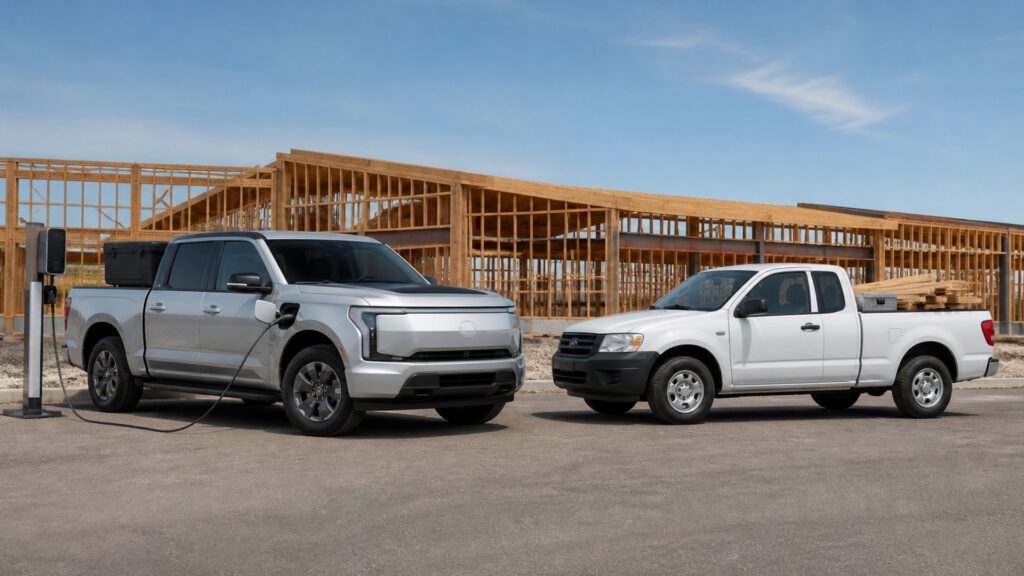
Electric pickups differ from combustion-powered compact pickups chiefly in how they store energy, deliver power, and replenish that energy. Their dimensions and carrying ability are separate questions. Electric describes propulsion, while compact describes size; a pickup can have both attributes, and an electric model is not automatically larger or more capable.

To make the comparison useful, identify two actual trucks. Compare the electric powertrain with the compact candidate's gasoline or hybrid system, then examine cab and bed space, rated loads, parking access, charging or fueling, and maintenance. That separates differences caused by the power source from differences caused by a particular vehicle's design.

By: Review Streets Research Lab
Updated: October 5, 2026
Explainer · 8-12 min read
electric pickup trucks explainer hero image for Review Streets
What You'll Learn

Understand the Powertrain and Packaging Differences

Compare the same aspect on each actual truck rather than treating two labels as complete specifications.

  • Separate size class from the source of propulsion
  • Follow the different paths from stored energy to wheel motion
  • Compare replenishment and braking behavior
  • Check actual dimensions and approved capability
  • Understand which maintenance tasks change and which remain

Tip: If the candidate is both electric and compact, there is no category conflict. Compare its particular specifications and operating requirements.

Definitions

Six Terms That Make the Comparison Clear

Each describes a different attribute rather than a universal advantage.

Battery-Electric Powertrain

A system that drives motors using energy stored in an externally charged battery.

  • Example: A pickup uses battery power for propulsion without a combustion engine.
  • Check: Distinguish battery-electric from hybrid and range-extended designs.
  • Limit: The powertrain does not establish the size class.

Compact Packaging

A pickup layout intended to provide useful passenger and cargo space in a smaller vehicle.

  • Example: A compact candidate fits a parking space that a particular larger truck cannot.
  • Check: Measure the actual body and usable space.
  • Limit: Compact does not guarantee one bed size or construction method.

Energy Replenishment

Restoring the energy the vehicle needs to drive.

  • Example: A battery-electric truck charges while a gasoline candidate refuels.
  • Check: Compare suitable locations and the time available.
  • Limit: The routine depends on local access and vehicle requirements.

Electric Deceleration

Using a motor to help slow the vehicle and recover some motion energy.

  • Example: A fitted setting increases slowing when the accelerator is released.
  • Check: Learn the model's controls and limitations.
  • Limit: Friction brakes remain essential; some hybrids also recover energy.

Usable Cargo Space

The dimensions and access available for actual equipment or materials.

  • Example: A toolbox may fit in one bed but interfere with another truck's cover.
  • Check: Measure length, width, intrusion, and access with accessories fitted.
  • Limit: Overall vehicle size does not fully describe useful cargo space.

Rated Load Capability

The approved limits of the complete vehicle and relevant equipment.

  • Example: The actual truck's allowance must accommodate passengers, tools, and hitch load.
  • Check: Use labels and configuration-specific documentation.
  • Limit: Motor output or a large exterior does not replace load ratings.

Tip: A good comparison explains which design feature causes a difference, not merely which label is attached to the truck.

Power Delivery

The Hardware Changes How the Truck Produces Motion

A battery-electric pickup uses motors and power electronics rather than a combustion engine for propulsion. A gasoline compact uses an engine and transmission; a hybrid compact combines combustion and electric components in its own arrangement. These differences affect sound, response, and service needs. They do not by themselves prove which truck will carry a heavier load or travel farther on a particular route.

  • Identify the exact powertrain on both candidates.
  • Compare controls and response in normal use.
  • Keep acceleration separate from carrying and towing limits.

Two pickups can feel very different when starting away while still requiring the same careful load calculation.

Vehicle Layout

Space Comes From the Design, Not Just the Power Source

Removing a combustion engine can permit different storage or packaging choices, but what the manufacturer actually provides matters. An electric truck may have useful front storage, while a compact may make parking and loading easier through smaller dimensions. Cab layout, bed shape, suspension, and overall construction vary by model. Inspect these features instead of assuming either category has one standard arrangement.

  • Try the seating positions with normal occupants.
  • Measure bed and other storage areas.
  • Check doors, tailgate, mirrors, and turning access.

Extra storage is valuable only if the required items fit and can be reached conveniently.

Energy Routine

Charging and Fueling Use Time Differently

Charging can happen during normal parking when an appropriate connection is available. Refueling usually involves a dedicated stop but may fit a route with widespread suitable stations. An electric truck's convenience therefore depends heavily on where it rests between trips. A gasoline or non-plug-in hybrid compact has a different replenishment routine, even if both vehicles handle the same daily distance.

  • Check the regular parking and energy locations.
  • Allow for actual charging or fueling access.
  • Test occasional long or loaded trips separately.

A dependable overnight charger and a shared curbside space without charging create very different ownership experiences for the same electric vehicle.

Deceleration and Care

Some Familiar Driving and Service Habits Change

Electric energy recovery can alter how a vehicle slows and can reduce friction-brake use. Some hybrid compacts offer related behavior, so it is not a clean electric-versus-compact distinction. Battery-electric vehicles omit combustion-engine service, while all candidates still need appropriate tire, brake, chassis, and other scheduled care. Use each truck's manual to identify the real differences.

  • Learn braking settings before loaded driving.
  • Keep the brake pedal and system limits in mind.
  • Compare the actual service schedules.

Less frequent attention to one system should not become an assumption that the whole truck is maintenance-free.

Capability in Context

Compare the Loaded Vehicle and the Route Together

First establish that each candidate can legally and physically support the required people, cargo, and trailer equipment. Then assess how practical the loaded trip is, including energy demand and replenishment stops. A compact can be enough for the task; an electric truck can be capable too. Neither conclusion follows from the category name without checking the build and the job.

  • Include accessories and applicable hitch load.
  • Check actual vehicle and component ratings.
  • Use the same route and conditions for both candidates.

The meaningful difference is the one that changes a real task, whether it is a parking constraint, a loading advantage, or a more workable energy routine.

Quick Reality Check

Which Differences Matter Most?

Separate propulsion effects from the rest of the vehicle's design.

Differences to Attribute to the Powertrain

How energy is stored and replenished, and how propulsion is produced.

Combustion-related service requirements and the fitted electric-drive controls.

Differences to Verify on the Actual Truck

Dimensions, seats, cargo layout, approved payload and towing equipment.

Accessory fit, maneuvering room, features, and total ownership cost.

Common Myths

Misconceptions About Electric and Compact Pickups

The categories can overlap and do not rank every specification.

Electric pickups and compact pickups are mutually exclusive.

A vehicle can be both; the words describe propulsion and size.

An electric pickup always has more usable cargo space.

Storage and bed dimensions depend on the design.

Only battery-electric vehicles recover braking energy.

Many hybrids also use electric energy recovery.

The larger or more powerful candidate always hauls more.

Actual ratings and the occupied, equipped vehicle determine the allowable load.

Tip: Read a specification in the context of the configuration to which it applies.

FAQ

Questions About the Design Differences

Answers for comparing powertrains without confusing vehicle classes.

What is the central distinction?

Electric is a propulsion description; compact is a size description. Choose actual vehicles before comparing them.

Does a hybrid compact need external charging?

A non-plug-in hybrid does not. Other hybrid designs have different requirements, so identify the system.

Will driving feel different?

It can, particularly in power response and deceleration settings. The actual controls and behavior vary.

Is a compact always easier to park?

Smaller dimensions can help, but check the actual width, length, turning access, and parking space.

What should settle a practical comparison?

Required capability, usable space, daily access, energy routine, and actual ownership costs together.

Bottom Line

Electric and compact pickups differ only after their powertrains and actual designs are identified.

Separate energy and propulsion differences from dimensions, configuration, and ratings to understand which truck serves the intended use.

Next Steps

Go Deeper or Compare Your Options

Use these Review Streets paths to compare related categories and practical next decisions.

Technical references: Ford Maverick configuration information; Chevrolet Silverado EV owner resources; DOE electric-vehicle consumer guidance. Use the manual and ratings for your own model year and configuration.