What Makes Full Size Pickup Trucks Different from Compact Pickup Trucks

Full-size pickups differ from compact pickups mainly in their packaging, available configurations, and balance of passenger and load-carrying capability. A full-size model generally offers a larger vehicle platform and may provide more cab, bed, or towing options. A compact aims to provide useful pickup functions in a smaller footprint. Neither category has one universal bed size or payload rating.

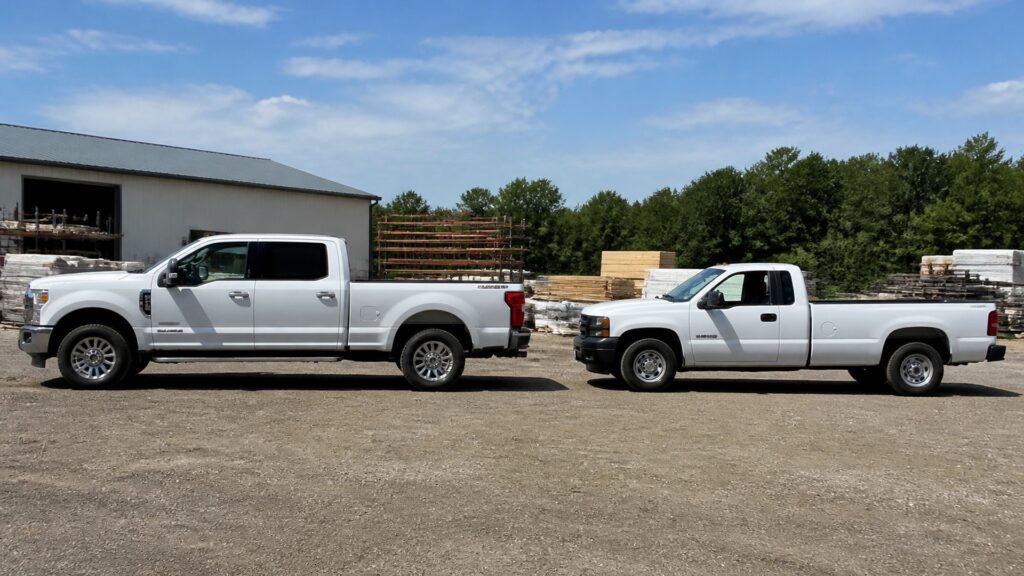
The most useful comparison is between two actual vehicles. Body construction, driven-wheel layout, cabin arrangement, and equipment can vary independently of the size label. Understanding those differences helps explain why one truck works better for a particular load or parking space, without assuming the larger vehicle is always the better design.

By: Review Streets Research Lab
Updated: October 5, 2026
Explainer · 8-12 min read
full size pickup trucks explainer hero image for Review Streets
What You'll Learn

How Pickup Size Changes the Design Tradeoffs

Compare packaging and engineering before deciding which differences matter to you.

  • Separate the overall footprint from usable cab and bed space
  • Understand different structural approaches
  • Compare actual payload and towing configurations
  • Identify the fitted drive system rather than assuming one
  • Account for loading height, turning room, and everyday access

Tip: Measure the part of the truck you need to use; overall size is only a starting point.

Definitions

Six Design Terms for Comparing Pickup Sizes

Each term answers a different practical question.

Vehicle footprint

Vehicle footprint is the physical space occupied by the truck, including its relevant exterior dimensions.

  • Example: a truck's length and mirror width at a garage entrance
  • Check: measure the actual configuration
  • Limit: a smaller footprint does not automatically mean a smaller turning circle

Cab configuration

Cab configuration is the arrangement of seating, doors, and passenger-compartment space.

  • Example: a full-size regular cab compared with a compact crew cab
  • Check: compare the actual seating arrangements
  • Limit: a larger class does not guarantee more seats or better rear-seat space

Bed geometry

Bed geometry includes cargo length, width, wheel-house intrusion, side height, and tailgate arrangement.

  • Example: an object needing a clear span between wheel housings
  • Check: measure the relevant cargo space
  • Limit: nominal bed length does not answer every fit question

Structural design

Structural design is the way the vehicle's body and supporting structure carry loads.

  • Example: a body-on-frame pickup compared with an integrated-body design
  • Check: verify the model's construction
  • Limit: construction alone does not establish a permitted payload

Rated capability

Rated capability is the set of limits established for the actual vehicle and equipment.

  • Example: payload and trailer limits for a specified engine and package
  • Check: read the vehicle's labels and towing documentation
  • Limit: the largest figure in an advertisement may describe another build

Driven-wheel layout

Driven-wheel layout identifies where and how propulsion is delivered to the road.

  • Example: front-drive-based all-wheel drive compared with rear-drive-based four-wheel drive
  • Check: learn the actual system and its restrictions
  • Limit: size labels do not guarantee a particular drive system

Tip: Compare the same dimension or rating on both vehicles rather than mixing unrelated specifications.

Packaging

A Larger Platform Offers Possibilities, Not One Fixed Layout

Full-size pickups may offer several cab-and-bed combinations, but those combinations make different use of the extra space. A long passenger cabin can be paired with a shorter bed, while a work-oriented configuration may prioritize cargo length. Compact pickups make their own packaging tradeoffs. Compare the exact vehicles with seats positioned for the people who will travel.

  • Check usable seating and protected storage.
  • Measure bed space with installed equipment included.
  • Consider the total length required by the selected combination.

The comparison should explain where the extra space goes, not merely that one vehicle is larger.

Structure

Body Construction and Size Are Separate Characteristics

Many conventional full-size pickups use a separate frame, while some familiar contemporary compacts use integrated body construction. That is not a rule for every vehicle, market, or powertrain. Each design relies on a complete set of structural and mechanical components to support its rated tasks.

  • Confirm construction for the exact model.
  • Use approved mounting arrangements for equipment.
  • Do not equate a separate frame with unlimited towing capability.

A compact's integrated structure can support useful work, and a framed full-size truck still has firm limits.

Capability

Ratings Reflect the Build as Well as the Size

A full-size family may offer configurations with capability beyond that of a compact, but the actual carrying allowance depends on vehicle weight and equipment. Passengers, accessories, and trailer hitch load all matter. More power or a larger bed does not replace the need to check the complete loaded combination.

  • Use the loading label of each candidate.
  • Identify required towing packages and hitch equipment.
  • Check axle and combination limits as well as the headline figures.

The useful advantage is capacity available in the configuration you will use, not a maximum belonging to another version.

Drive Systems

Traction Equipment Does Not Follow a Simple Size Rule

Some compacts use front-drive-based layouts, and many conventional full-size trucks use rear-drive-based layouts. Electric and other designs can differ. All-wheel drive, part-time four-wheel drive, low range, and locking differentials are separate features with different purposes and restrictions. Check what is fitted rather than inferring it from the truck's appearance.

  • Review surface and engagement instructions.
  • Check whether low range is actually available.
  • Keep tire choice and stopping grip separate from propulsion capability.

A larger pickup is not automatically better suited to every slippery road or narrow trail.

Everyday Access

Dimensions Change the Work of Loading and Parking

A compact may be easier to fit into a parking space or reach across during loading. A full-size may provide useful passenger room and cargo options, but can require more clearance around mirrors, doors, and the tailgate. Loading height, bed reach, and turning access deserve a practical test with the actual model.

  • Try the approach into the parking space.
  • Check access to cargo and tie-down points.
  • Compare ownership costs for the candidates and expected mileage.

The right balance depends on which capabilities you use and which daily constraints you face.

Quick Reality Check

What the Different Sizes Tend to Offer

Treat broad tendencies as questions to verify on actual trucks.

Full-Size Advantages to Check

Cab, bed, and towing configurations that may suit larger recurring requirements.

Enough usable capacity after the normal occupants and equipment are included.

Compact Advantages to Check

A smaller vehicle that still handles the required passengers and loads.

Convenient parking, loading access, and ownership costs for the intended routine.

Common Myths

Misconceptions About Full-Size and Compact Design

A class label cannot substitute for a vehicle specification.

Full-size always means a longer usable bed.

Cab-and-bed combinations vary. Measure the actual cargo area.

A compact is only for recreation.

Suitable compact trucks can serve work tasks within their ratings.

All full-size pickups use the same drivetrain layout.

Powertrain and drive arrangements vary, especially across conventional and electric designs.

The larger truck is automatically the better value.

Value depends on needed capability, everyday usability, and actual ownership costs.

Tip: Decide which design difference changes a real task rather than counting features for their own sake.

FAQ

Questions About Pickup Size and Design

Answers for comparing packaging, construction, and capability.

What is the clearest difference?

The overall packaging and range of configurations, with different compromises between vehicle size and useful pickup capability.

Can a compact have more practical seating than a full-size?

It can if the compared full-size uses a different cab arrangement. Check the actual seats and access.

Does frame construction determine payload?

No. The complete vehicle and its ratings determine the approved load.

Should I compare maximum towing numbers?

Only with their configuration requirements, then check the actual builds and complete loaded trip.

What should I measure?

Cab fit, usable bed space, loading access, overall length, mirror width, and the approach to regular parking spaces.

Bottom Line

Full-size and compact pickups differ in packaging and configuration choices, with capability determined by the actual build.

Use those differences to explain fit for your passengers, loads, and surroundings instead of treating size as a universal ranking.

Next Steps

Go Deeper or Compare Your Options

Use these Review Streets paths to compare related categories and practical next decisions.

Manufacturer references: Ford towing information and model-year guides; Ford F-150 configuration information; Ford Maverick configuration information. Use the manual and ratings for your own model year and configuration.