
What Makes Speed Training Equipment Different from Functional Suspension Training

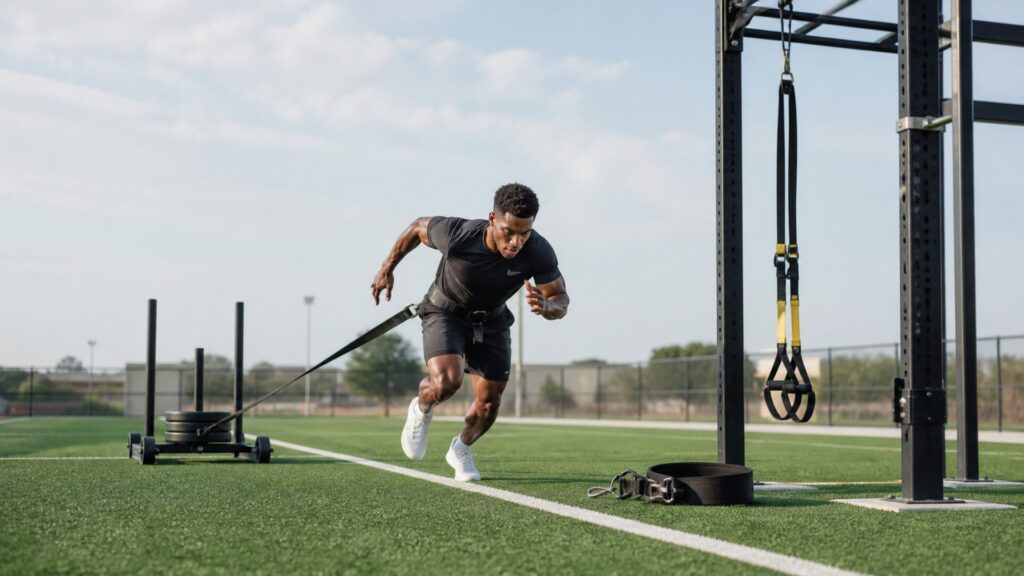
Speed training equipment is different from functional suspension training because it is built around fast movement, acceleration, sprint mechanics, reaction, timing, and repeatable speed efforts. Functional suspension training uses straps, handles, anchors, and body position to train strength, control, mobility, and stability with bodyweight resistance.

Both categories can support athletic training, but they solve different problems. Speed equipment organizes how quickly an athlete moves through space. Suspension training organizes how the body controls leverage, tension, and position.

By: Review Streets Research Lab
Updated: October 5, 2026
Explainer · 8-12 min read
speed training equipment explainer hero image for Review Streets
What You'll Learn

Speed Tools Versus Suspension Training

A practical comparison of sprint-focused equipment and strap-based bodyweight training.

  • How speed equipment supports acceleration, timing, and sprint mechanics
  • How suspension tools train body control and leverage
  • Where both categories can support athletic preparation
  • Why speed tools need more run space
  • When one category is the better first purchase

Tip: Compare the training job first: sprint output or bodyweight control.

Definitions

Key Concepts Behind Speed Training Equipment Different from Functional Suspension Training

These concepts clarify the practical signals readers should check before choosing equipment or planning workouts.

Speed Equipment

Speed equipment supports fast movement, sprint setup, timing, resistance, or reaction.

  • Example: timing gates, sleds, wickets, cones, and parachutes
  • Check: ask whether the tool improves speed quality
  • Limit: it usually needs space to run

Suspension Training

Suspension training uses straps and body angle to create adjustable bodyweight resistance.

  • Example: rows, presses, lunges, or core drills on suspension straps
  • Check: inspect anchor security and body angle
  • Limit: it does not measure sprint output

Linear Speed

Linear speed is fast movement over a set path or distance.

  • Example: a 20-yard sprint timed with gates
  • Check: keep distance and start rules consistent
  • Limit: straight-line speed is not the only athletic quality

Leverage Control

Leverage control is changing difficulty by adjusting body position against gravity.

  • Example: walking the feet forward to make strap rows harder
  • Check: use a body angle the athlete can control
  • Limit: progression can be less precise than adding load

Anchor Demand

Anchor demand is the need for a secure attachment point during suspension work.

  • Example: mounting straps to a beam or door anchor
  • Check: confirm the anchor can handle the drill
  • Limit: bad anchors can fail quickly

Run Space

Run space is the clear area needed for sprinting, slowing, and repeated fast efforts.

  • Example: a lane with room past the finish
  • Check: measure acceleration and runout
  • Limit: small rooms limit speed equipment use

Tip: The best equipment choice is the one that matches the training job, available space, and user's current ability.

Main Difference

Speed Equipment Trains Fast Movement Through Space

Speed equipment is most useful when the goal is sprint output, acceleration, timing, or reaction. The tools organize where, when, and how fast the athlete moves.

  • Use timing gates to measure speed.
  • Use sleds or bands for resisted starts.
  • Use markers to organize sprint distance and rhythm.

Speed tools are strongest when the session is built around moving fast.

Suspension Role

Suspension Training Builds Control Against Bodyweight

Suspension straps make bodyweight exercises adjustable. They are useful for rows, presses, lunges, core control, warmups, and stability work where leverage matters more than sprint speed.

  • Adjust body angle to change difficulty.
  • Use straps for controlled strength and mobility.
  • Check anchor security before loading the straps.

Suspension training is strongest when control is the goal.

Overlap

Both Can Support Athletic Preparation

A program may use suspension work for strength support and speed equipment for sprint-specific work. The categories complement each other when each has a clear role.

  • Use suspension work for control and support muscles.
  • Use speed tools for fast efforts and feedback.
  • Avoid blending goals into a cluttered circuit.

The tools work together when the session separates their jobs.

Space

The Training Area Changes The Choice

Speed equipment usually needs lanes, runout, and a safe surface. Suspension training can fit in smaller spaces but needs a reliable anchor and enough clearance around the straps.

  • Choose speed gear only when sprint space exists.
  • Choose suspension gear only when anchors are reliable.
  • Match the tool to the room before buying.

The space can decide which category is practical.

Buying Check

Buy For The Training Gap

If the athlete needs measured acceleration and sprint practice, speed equipment belongs first. If the athlete needs portable bodyweight strength and control, suspension training may be the better starting point.

  • Name the missing quality.
  • Choose the category that directly trains it.
  • Add the other category later only if it solves another need.

The better tool is the one that fills the real gap.

Quick Reality Check

Where Speed Gear Wins And Where Suspension Training Wins

The right choice depends on whether the goal is sprint output or body control.

Speed Gear Wins When

The workout needs acceleration, timing, stride rhythm, reaction, or resisted sprinting.

The athlete has enough space and recovery for fast efforts.

Suspension Training Wins When

The workout needs bodyweight strength, control, mobility, or portable setup.

A small space and secure anchor are easier than a sprint lane.

Common Myths

Misconceptions About Speed Gear And Suspension Training

Both categories are athletic, but they are not interchangeable.

Suspension training replaces speed work

It can support strength and control, but it does not replace sprint-specific practice.

Speed tools build all-around strength

They can support power and speed, but they are not a complete strength setup.

The smaller tool is always easier

Suspension straps still need safe anchors and good technique.

Every program needs both right away

Start with the category that solves the biggest training gap.

Tip: Treat strong claims as reasons to inspect the workout fit more closely.

FAQ

Frequently Asked Questions About Speed Gear And Suspension Training

Short answers for practical training and buying decisions.

What is the main difference?

Speed equipment trains fast movement through space, while suspension training trains body control using straps and leverage.

Can suspension training help speed?

It can support strength and control, but speed still needs sprint-specific work.

Which is better for home use?

Suspension training is often easier in small spaces if the anchor is safe. Speed tools need more room.

Can both be used together?

Yes, when suspension work supports strength and speed tools handle sprint-specific practice.

What is the practical takeaway?

Use speed equipment for sprint output and suspension training for bodyweight control.

Bottom Line

Speed training equipment differs from functional suspension training by focusing on sprint output, timing, and fast movement.

Suspension training is better for bodyweight strength, control, and leverage-based exercise.

Next Steps

Go Deeper or Compare Your Options

Use these Review Streets paths to compare related categories and practical next decisions.