What Makes Swim Training Gear Different from Elliptical Machines

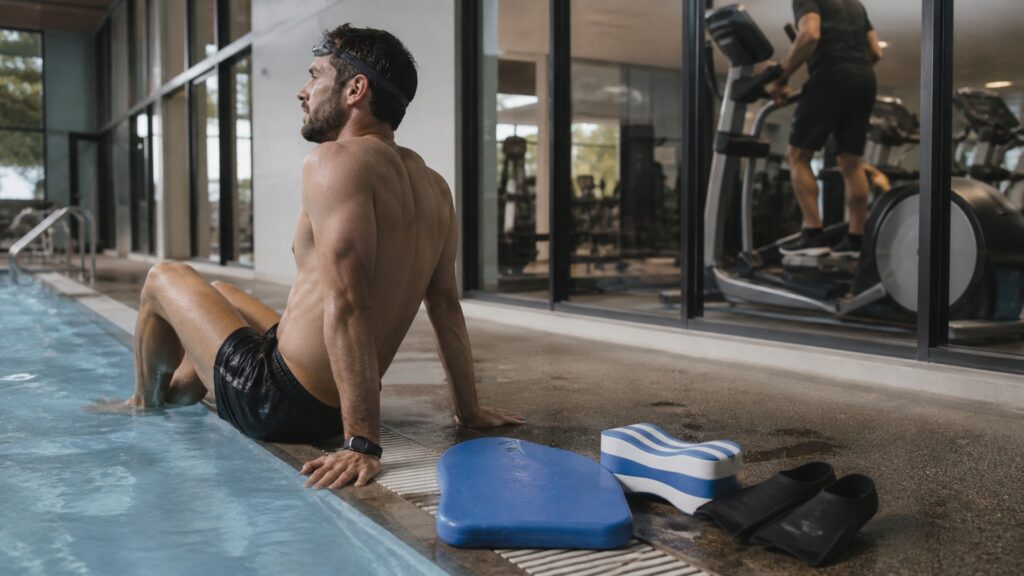
Swim training gear and elliptical machines both support fitness, but they work in different worlds. Swim training gear changes what happens in the water by isolating kick, pull, body position, breathing, resistance, or stroke feel. An elliptical machine creates a dry-land cardio session through a repeated standing stride.

The difference matters because swim training gear is practice equipment for the pool, while an elliptical is conditioning equipment for land. One helps a swimmer work on the swim itself; the other builds aerobic work without getting in the water.

By: Review Streets Research Lab
Updated: October 2, 2026
Explainer · 8-12 min read
swim training gear explainer hero image for Review Streets
What You'll Learn

How Pool Training Tools Differ From A Cardio Machine

A practical comparison of swim-specific drill gear and dry-land endurance equipment.

  • Why swim gear belongs inside the pool session
  • How ellipticals create a separate cardio workout
  • Where buoyancy, drag, and stroke feel matter
  • When dry-land conditioning can still support swimmers
  • How to choose based on skill practice versus general fitness

Tip: Start with the swimming situation, then choose the gear detail that solves that specific problem.

Definitions

Key Concepts Behind What Makes Swim Training Gear Different from Elliptical Machines

These concepts keep the decision tied to fit, water conditions, training purpose, and realistic limits.

Pool-Specific Drill

A pool-specific drill uses water, stroke movement, and swim equipment to practice a targeted skill.

  • Example: using a pull buoy to focus on arm stroke
  • Check: ask which part of the swim the drill targets
  • Limit: the benefit depends on water practice

Dry-Land Cardio

Dry-land cardio is aerobic work performed outside the water.

  • Example: using an elliptical for steady conditioning
  • Check: match resistance and cadence to the goal
  • Limit: it does not teach water feel

Buoyancy Change

Buoyancy change is how a tool alters body position in the water.

  • Example: a kickboard supporting the arms during kick work
  • Check: notice what floats differently
  • Limit: support can hide balance problems

Resistance Feel

Resistance feel is how the swimmer senses water pressure, drag, or added load.

  • Example: paddles making catch pressure easier to feel
  • Check: keep effort controlled
  • Limit: too much load can distort form

Movement Setting

Movement setting is the environment that shapes the exercise.

  • Example: pool lane versus gym floor
  • Check: start with where the workout happens
  • Limit: a useful tool in one setting may not solve the other

Skill Carryover

Skill carryover is whether practice improves the regular swim after the tool comes off.

  • Example: better body position after a buoy drill
  • Check: check a normal repeat afterward
  • Limit: conditioning alone may not transfer to technique

Tip: The useful feature is the one that makes the swim clearer, safer, or easier to repeat.

Pool Role

Swim Gear Changes The Water Practice

Swim training gear works inside the swimming session. It can support body position, isolate one part of the stroke, add drag, or help the swimmer feel pressure against the water.

  • Use it when the goal is swim skill or stroke feel.
  • Choose one tool for one drill purpose.
  • Return to regular swimming to check carryover.

The gear matters because it changes the practice task in the pool.

Machine Role

Ellipticals Create Land-Based Conditioning

An elliptical machine can build low-impact cardio without pool access. That can support general fitness, but it does not replace stroke timing, breathing, turns, or body position in water.

  • Use it for aerobic work away from the pool.
  • Track effort and duration.
  • Do not treat the stride as swim technique.

The machine creates a workout, while swim gear refines a swim.

Technique

Water Feel Cannot Be Fully Simulated On Land

Swimmers often need to feel pressure, balance, and timing in the water. Fins, paddles, buoys, and snorkels can highlight those sensations in a way an elliptical cannot.

  • Use tools to focus attention.
  • Avoid chasing speed only.
  • Practice the same skill without the tool.

Technique improvement still has to meet the water.

Conditioning

Dry-Land Cardio Can Still Help

Elliptical work can support endurance, recovery days, or training when pool access is limited. It just serves a different role from swim gear.

  • Use it when pool time is unavailable.
  • Keep intensity appropriate.
  • Pair it with pool sessions when swimming is the goal.

Conditioning can help the swimmer, but it does not replace swim-specific practice.

Decision

Choose By The Missing Piece

If the missing piece is stroke focus, body position, or drill feedback, swim gear is the better fit. If the missing piece is low-impact cardio on land, the elliptical makes more sense.

  • Name the training problem first.
  • Choose the tool for that setting.
  • Use both when the plan includes both needs.

The best choice follows the session, not the product category.

Quick Reality Check

Where Each Tool Helps

Swim training gear and ellipticals can both be useful, but they answer different training questions.

Swim Gear Helps When

The swimmer needs a pool drill, technique focus, or water-specific feedback.

The goal depends on body position, kick, pull, breathing, or resistance in water.

Ellipticals Help When

The user wants low-impact cardio outside the pool.

Pool access, wet gear, or swim skill practice is not part of that session.

Common Myths

Misconceptions About Swim Gear And Ellipticals

They are not competing versions of the same tool.

Ellipticals can replace swim drills

They can support fitness, but they do not teach water feel or stroke timing.

Swim gear is only for advanced swimmers

Beginners can benefit from simple tools when the purpose is clear.

Harder resistance means better practice

More drag or load helps only when the swimmer keeps control.

The choice is either-or

Many routines can use pool gear for technique and an elliptical for conditioning.

Tip: Strong claims still need to match the swimmer, pool, and session.

FAQ

Frequently Asked Questions About Swim Gear And Ellipticals

Short answers for practical swimming decisions.

Are swim training gear and ellipticals substitutes?

No. Swim gear supports pool practice, while ellipticals create dry-land cardio.

Can elliptical training help swimmers?

It can help general endurance, especially when pool access is limited, but it does not replace water practice.

When should I choose swim training gear?

Choose it when the goal is to improve or focus a swimming skill in the water.

When should I choose an elliptical?

Choose it when the goal is low-impact conditioning outside the pool.

What is the practical takeaway?

Use swim gear for water-specific practice and the elliptical for land-based cardio.

Bottom Line

Swim training gear is different from elliptical machines because it changes pool practice instead of creating a dry-land cardio workout.

Both can support fitness, but only swim gear works directly on swimming movement in the water.

Next Steps

Go Deeper or Compare Your Options

Use these Review Streets paths to compare related categories and practical next decisions.