
Training Function
Training function is the specific job a tool performs inside a swim set.
- Example: using paddles to feel catch pressure
- Check: name the purpose before starting
- Limit: a tool without a purpose can distract
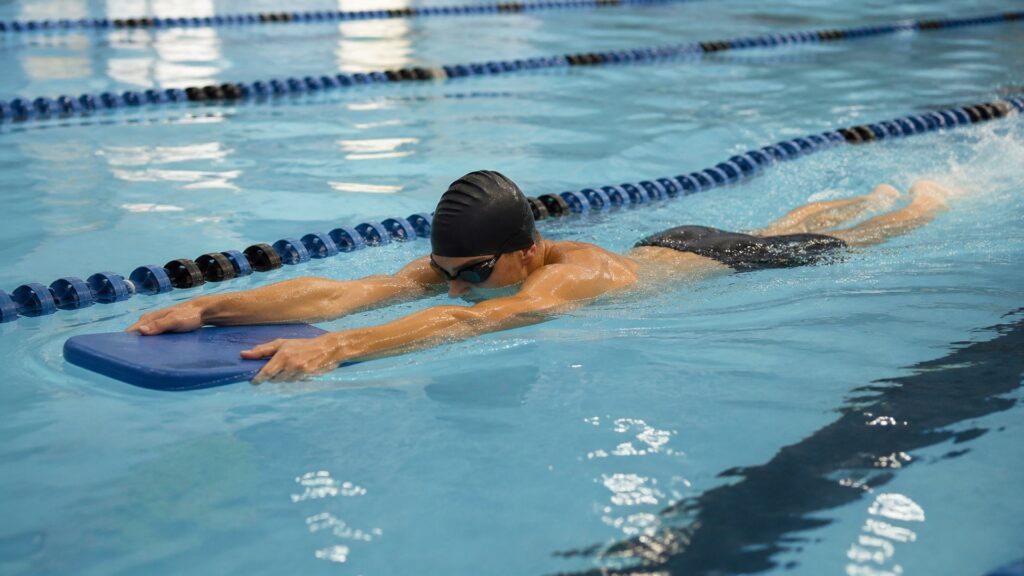
Training function matters in swim training gear because each tool should have a job inside the set. A kickboard, pull buoy, fins, paddles, snorkel, or resistance tool can help only when it supports the skill, effort, or body position the swimmer is trying to practice.
Swim training gear should make the training purpose clearer, not simply make the lane look more equipped. The right tool gives the swimmer a better way to feel, isolate, repeat, or measure a specific part of the swim.
A practical way to judge whether a tool improves the set or only adds clutter.
Tip: Start with the swimming situation, then choose the gear detail that solves that specific problem.
These concepts keep the decision tied to fit, water conditions, training purpose, and realistic limits.
Training function is the specific job a tool performs inside a swim set.
Skill isolation is using gear to focus on one part of the stroke.
Load control is matching resistance, tool size, and duration to the swimmer.
Carryover is whether the skill practiced with gear appears when the gear comes off.
Session flow is how smoothly the tool fits into warmup, drill, main set, or cooldown.
Safety fit is whether the tool can be used without strain, crowding, or loss of control.
Tip: The useful feature is the one that makes the swim clearer, safer, or easier to repeat.
Training gear works best when the swimmer knows why it is in the set. The purpose might be body position, kick rhythm, hand pressure, breathing focus, or resisted effort.
Purpose turns equipment into training.
A tool can reduce the noise around a skill. A pull buoy can shift attention to the arms, a kickboard can isolate the legs, and a snorkel can simplify head position.
Isolation is useful when it leads back to better swimming.
Fins, paddles, and drag tools change the workload. That can help strength or feel, but only when the swimmer can maintain control.
The right progression feels purposeful, not punishing.
The most important test happens after the gear comes off. If the swimmer cannot repeat the improved movement without the tool, the drill may need a different setup or clearer cue.
Carryover is what separates useful gear from temporary assistance.
Training function also depends on comfort, lane space, shoulder tolerance, pool rules, and the swimmer's level. A good tool in the wrong setting can still be a bad choice.
A tool is only functional when it fits the real session.
Training function keeps gear connected to the swim plan.
It clarifies why a tool belongs in the set.
It shows whether the tool improves feel, strength, rhythm, or body position.
It cannot replace coaching judgment.
It can be undermined by poor fit, overuse, or unclear drill goals.
The best tool is not always the hardest or most technical one.
Resistance helps only when the swimmer keeps useful technique.
Gear can highlight a skill, but the swimmer still has to learn the movement.
Advanced swimmers often use simple tools very deliberately.
Sometimes reducing one demand helps the swimmer focus on the skill that matters.
Tip: Strong claims still need to match the swimmer, pool, and session.
Short answers for practical swimming decisions.
It explains what the tool is supposed to improve inside the set.
Look for carryover when the gear comes off, such as better rhythm, position, pressure, or control.
Yes, but tools should be simple, comfortable, and tied to one clear drill purpose.
Avoid it when it causes pain, breaks form, crowds the lane, or distracts from the session goal.
Use swim training gear when it makes one training job clearer and safer to practice.
Swim training gear training function matters because every tool should support a specific skill, load, or session goal.
The best gear helps the swimmer practice with purpose and then carry the improvement back into regular swimming.
Use these Review Streets paths to compare related categories and practical next decisions.
Explore the swim training gear category.
See how common tools change drills and body position.
Review how gear should support the training goal.
Choose a retailer
Prices checked regularly. We may earn a commission at no cost to you.