When to Use Detailing Kits Instead of Interior Cleaning

Detailing Kits Instead of Interior Cleaning is easier to judge when it is treated as a system-level decision instead of a simple label. For Review Streets readers, the useful question is how it changes cleaning steps, product compatibility, towel choice, applicators, paint finish, interior surfaces, and maintenance routine in real ownership.

This explainer breaks the topic into definitions, mechanisms, limits, myths, and practical checks. The goal is to help readers compare choices with enough context to avoid overbuying, underbuying, or trusting shortcuts that miss the vehicle's actual use.

By: Review Streets Research Lab
Updated: June 29, 2026
Explainer · 8-12 min read
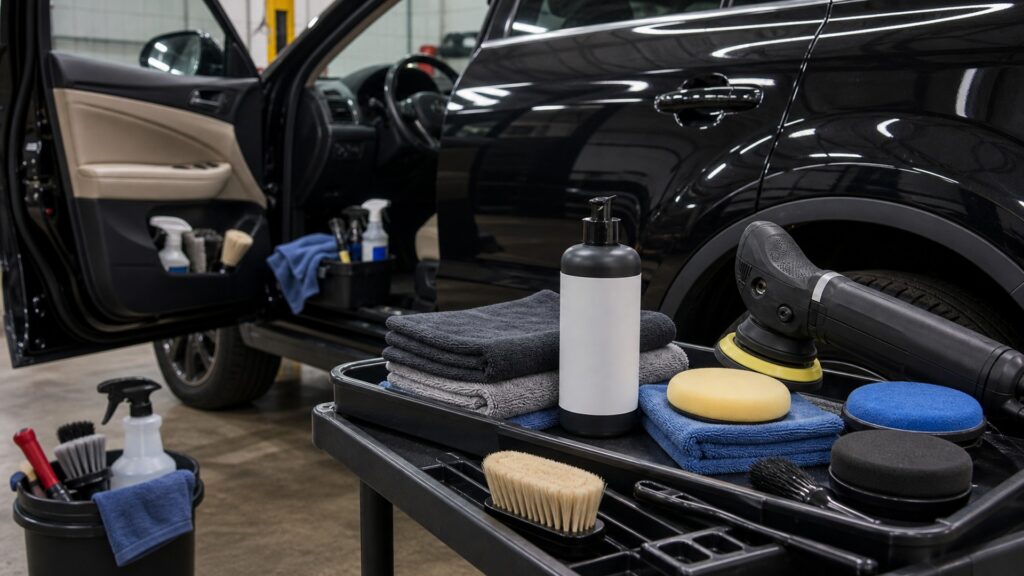
detailing kits instead of interior cleaning explainer hero image for Review Streets
What You'll Learn

When Detailing Kits Makes More Sense Than Interior Cleaning

A practical explanation of detailing kits instead of interior cleaning, focused on definitions, mechanisms, tradeoffs, and real-world decision points.

  • What detailing kits instead of interior cleaning means in plain language
  • Why detailing kits instead of interior cleaning matters for vehicle detailing kit and product-selection decisions
  • Which variables shape the practical result, including surface preparation and chemical compatibility
  • How real use can reveal benefits or limits
  • Where common shopping shortcuts become misleading
  • What tradeoffs matter before choosing
  • How to connect the explainer to related Review Streets category paths

Tip: Read the concept as part of a system, then connect it back to the use case.

Definitions

Key Concepts That Define Detailing Kits Instead of Interior Cleaning

These definitions connect the main idea to the variables, limits, and practical signals readers need to compare options.

Detailing Kit

The starting condition that determines how detailing kits instead of interior cleaning should be judged before comparing products or repairs.

  • Meaning: Defines the baseline problem being solved
  • Use: Prevents comparing unlike options as if they were equal
  • Limit: Needs the surrounding vehicle and use case

Applicator

The reference point that connects detailing kits instead of interior cleaning to design intent, compatibility, materials, or expected behavior.

  • Meaning: Shows what the option is trying to match or improve
  • Use: Helps separate claims from practical evidence
  • Limit: Does not guarantee quality by itself

Microfiber Towel

The variable that changes how detailing kits instead of interior cleaning performs once it is installed, used, maintained, or compared.

  • Meaning: Explains why outcomes vary in real ownership
  • Use: Connects specs to daily consequences
  • Limit: Can be hidden by marketing shorthand

Surface Prep

The point where use, wear, environment, or driver expectations start revealing strengths and weaknesses.

  • Meaning: Turns the topic into a long-term decision
  • Use: Helps anticipate maintenance, durability, or convenience
  • Limit: Depends on conditions and care

Residue Removal

The practical signal that shows whether detailing kits instead of interior cleaning is working as intended or becoming a compromise.

  • Meaning: Gives shoppers something concrete to check
  • Use: Supports inspection, comparison, and follow-up questions
  • Limit: Should be weighed with other evidence

Finish Protection

The tradeoff that decides whether detailing kits instead of interior cleaning is the right fit for a specific vehicle, driver, or ownership plan.

  • Meaning: Converts explanation into a decision
  • Use: Balances benefit, cost, complexity, and risk
  • Limit: No single answer fits every buyer

Tip: Keep the definitions connected; the strongest answer usually comes from the whole system, not one term.

System Path

How Detailing Kits Instead of Interior Cleaning Connects Cause and Effect

Choosing Detailing Kits instead of Interior Cleaning starts with the job being done, then checks whether the tradeoff improves the outcome.

  • Start with the reader's real vehicle detailing kit and product-selection decisions problem
  • Identify how surface preparation changes the available choices
  • Check how chemical compatibility influences performance or fit
  • Look for limits created by applicator control and microfiber contact
  • Compare the outcome against cost, convenience, and risk

The right choice is the one that solves the actual use case with fewer hidden compromises.

Main Mechanism

Why Surface Preparation Changes the Result

The main mechanism behind detailing kits instead of interior cleaning determines whether the benefit is obvious, subtle, or dependent on context. It is where headline claims meet practical constraints.

  • Surface Preparation sets the first practical boundary
  • Chemical Compatibility changes how consistent the result feels
  • Applicator Control can make two similar options behave differently
  • Supporting design details often matter as much as the headline label

A good explanation separates the real mechanism from the shortcut language around it.

Tradeoffs

Where Detailing Kits Instead of Interior Cleaning Creates Tradeoffs

Most choices around detailing kits instead of interior cleaning improve one outcome by accepting another compromise. Those tradeoffs may involve price, durability, appearance, comfort, time, installation, or future service.

  • Look for what improves immediately
  • Check what becomes more expensive, specialized, or maintenance-sensitive
  • Ask whether the tradeoff matters for the intended vehicle
  • Avoid treating the most advanced option as automatically best

Tradeoffs are not failures; they are the actual decision points.

Real-World Limits

Why Conditions Change Detailing Kits Instead of Interior Cleaning

Detailing Kits Instead of Interior Cleaning behaves differently when the vehicle, environment, workload, maintenance history, or owner expectations change. Conditions decide whether the benefit shows up clearly or barely matters.

  • Short, light use can hide differences between options
  • Longer or harsher use reveals weak fit, wear, or convenience problems
  • Installation and maintenance can improve or undermine the result
  • Climate, road conditions, washing habits, or driving patterns can shift priorities

The same option can be smart in one routine and unnecessary in another.

Practical Check

How to Apply Detailing Kits Instead of Interior Cleaning Before Choosing

The final step is turning detailing kits instead of interior cleaning into a comparison checklist. Readers should connect the concept to vehicle type, budget, care routine, repair access, and how long they plan to keep the vehicle.

  • Define the vehicle and use pattern first
  • Compare options within the right category
  • Check compatibility, support, and maintenance needs
  • Treat universal claims with caution
  • Use Review Streets category paths for the next decision

The best decision comes from matching the concept to the owner's actual constraints.

Quick Reality Check

Where Detailing Kits Instead of Interior Cleaning Helps and Where It Has Limits

A balanced look at what detailing kits instead of interior cleaning explains well, plus the situations where buyers need more context.

What Detailing Kits Instead of Interior Cleaning Clarifies

Detailing Kits Instead of Interior Cleaning helps readers understand why similar-looking options can lead to different costs, routines, performance, or ownership confidence.

It also creates a better framework for comparing claims without leaning on one isolated label, price, rating, or specification.

Where the Shortcut Breaks Down

The concept can be oversimplified when it is treated as a guarantee or a universal ranking system.

A better reading includes vehicle condition, use pattern, installation quality, maintenance habits, and the buyer's tolerance for tradeoffs.

Common Myths

Misconceptions About Detailing Kits Instead of Interior Cleaning

Common shortcuts and misunderstandings can make the topic seem simpler than it is.

Detailing Kits Instead of Interior Cleaning is always the best upgrade

It can be valuable, but it is not automatically the best choice. Results depend on the vehicle, use pattern, service quality, budget, and whether the benefit solves a real ownership problem.

Higher price always means better results

Price can reflect better materials, testing, or support, but it can also reflect branding or complexity. Judge the option by fit, evidence, installation, maintenance needs, and the vehicle's use case.

Installation or technique does not matter

Technique matters because the result usually depends on how the product, part, or system is selected, installed, cleaned, calibrated, or maintained. A strong option can disappoint when the process is wrong.

One label tells the whole story

Labels make the topic easier to discuss, but they hide important details. Compatibility, materials, environment, driver habits, maintenance, service support, and long-term use often explain the real ownership outcome for buyers.

Tip: Treat strong claims as starting points for comparison, not final answers.

FAQ

Frequently Asked Questions About Detailing Kits Instead of Interior Cleaning

Concise answers to common questions readers may have after the main explanation.

What does detailing kits instead of interior cleaning mean?

Detailing Kits Instead of Interior Cleaning describes a practical decision point in vehicle detailing kit and product-selection decisions. It connects the visible product choice to fit, performance, maintenance, cost, risk, and the conditions that shape real ownership in practice.

Why does detailing kits instead of interior cleaning matter?

It matters because this choice can change how a vehicle performs, wears, looks, records data, or costs money over time. The effect becomes clearer when matched to actual use and care.

When is detailing kits instead of interior cleaning most important?

It is most important when the vehicle sees repeated use, harsh conditions, expensive repairs, visible finish expectations, safety concerns, or ownership plans long enough for small differences to compound over time.

Can detailing kits instead of interior cleaning be judged by price alone?

No. Price may signal quality, but it does not prove compatibility, durability, installation quality, maintenance fit, support, or real value. Compare the evidence behind the option, not just the number.

How should buyers use this information?

Start with the vehicle, driving pattern, budget, and maintenance tolerance. Then compare the option against the specific outcome needed, including fit, service access, durability, support, tradeoffs, and realistic ownership priorities.

Bottom Line

Detailing Kits Instead of Interior Cleaning is most useful when it is read as part of the vehicle, product, routine, and ownership plan.

The practical takeaway is to define the real use case first, then compare the benefit, cost, compatibility, service needs, and tradeoffs together.

Next Steps

Go Deeper or Compare Your Options

Use these Review Streets paths to connect the explainer to related categories, comparisons, and next decisions.

Why Detailing Kits Operating Function Matters

See how detailing kits operating function changes the same detailing kits decision space as detailing kits vs. interior cleaning, especially fit, conditions, and ownership tradeoffs.

Why Detailing Kits Fitment Matters

See how detailing kits fitment changes the same detailing kits decision space as detailing kits vs. interior cleaning, especially fit, conditions, and ownership tradeoffs.

Quick Summary

Detailing Kits Instead of Interior Cleaning Explained

  • Detailing Kits Instead of Interior Cleaning explains one important part of the auto decision.
  • The real value depends on vehicle condition and use pattern.
  • Fit, technique, installation, and maintenance can change the result.
  • Headline claims can hide tradeoffs that matter later.
  • A useful comparison starts with the owner's actual routine.