When to Use Electric Pickup Trucks Instead of Compact Pickup Trucks

Choose a battery-electric pickup over a compact alternative when the electric truck fits your people and loads, its actual size works in your surroundings, and charging fits the routine. Predictable daily travel with dependable charging while parked can make electric operation convenient. Occasional towing or longer travel still needs a separate check of energy stops and loaded range.

Electric and compact describe different attributes: one is a power source and the other a size class. An electric pickup can also be compact, so the labels alone cannot establish which vehicle is larger, more capable, or cheaper to run. Compare particular trucks and treat any differences in space or capacity as vehicle-specific facts.

By: Review Streets Research Lab
Updated: October 5, 2026
Explainer · 8-12 min read
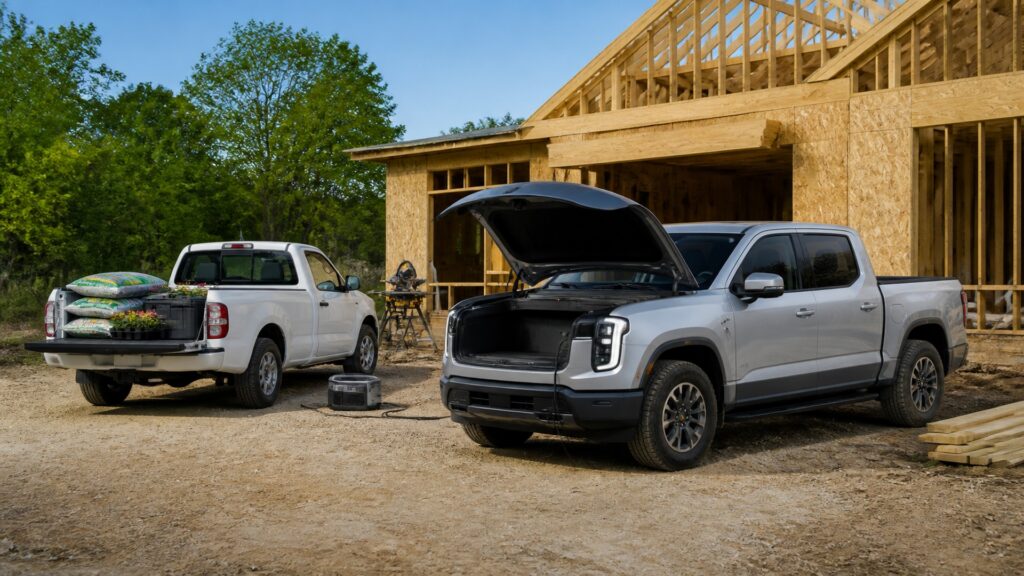
electric pickup trucks explainer hero image for Review Streets
What You'll Learn

When Electric Operation Makes Practical Sense

Start with the routine and compare real candidates rather than broad labels.

  • Confirm charging access where the truck normally parks
  • Match usable range to the loaded route and conditions
  • Check dimensions and capacity for both actual vehicles
  • Evaluate useful electric features only if fitted
  • Compare ownership costs using local prices and expected use

Tip: A dependable charging routine can matter more than a large advertised range number. Check both before choosing.

Definitions

Six Concepts for the Decision

These checks separate energy convenience from vehicle size and capability.

Battery-Electric Operation

Driving using motors powered by a battery charged from an external supply.

  • Example: The truck can replenish energy while parked at a suitable charger.
  • Check: Confirm the vehicle is battery-electric rather than a different hybrid or range-extended design.
  • Limit: Electric operation does not establish a size class.

Usable Daily Range

The distance the truck can practically cover for the intended trip under expected conditions.

  • Example: Cold weather, highway speed, or a trailer can change energy needs.
  • Check: Leave a suitable reserve and check demanding conditions.
  • Limit: An advertised estimate is not a guarantee for a loaded trip.

Charging Window

The time and access available to replenish the required energy.

  • Example: A regularly parked truck may charge overnight if the supply supports its daily use.
  • Check: Check charging power, electrical suitability, permissions, and parking access.
  • Limit: Having an outlet nearby does not prove adequate charging capability.

Vehicle Footprint

The actual space occupied and needed to maneuver the truck.

  • Example: A battery-electric candidate may need more parking clearance than a particular compact.
  • Check: Measure length, width with mirrors, height, and turning access.
  • Limit: The power source alone does not predict the dimensions.

Available Carrying Allowance

The capacity remaining after the people and equipment needed for the trip are included.

  • Example: A crew, tools, and trailer tongue load all use part of the truck's allowance.
  • Check: Use the actual vehicle's labels and all applicable loaded limits.
  • Limit: A powerful motor does not establish payload.

Exportable Power

Electrical output a vehicle is designed to supply to compatible external loads.

  • Example: An equipped pickup may power suitable tools through specified outlets.
  • Check: Check outlet ratings, restrictions, and required equipment.
  • Limit: Tool outlets do not by themselves provide an approved home-backup connection.

Tip: If one candidate is also compact and electric, compare its specifications directly; the two labels do not require choosing between them.

The Ordinary Day

Favor Electric Operation When Charging Fits Naturally

A predictable commute, service route, or local hauling schedule can suit a battery-electric truck when the necessary energy can be restored during normal parking time. The key is reliable access, not simply a charger somewhere nearby. Shared parking, rental restrictions, electrical capacity, and changing shifts can affect whether that access is dependable.

  • Estimate daily distance with the normal load.
  • Confirm the charging location and available hours.
  • Have an alternative for an unavailable charger.

A truck that returns to the same suitable charging place each night presents a different decision from one parked wherever the day's work ends.

Space and Capability

Choose the Actual Truck Before Crediting It With Advantages

Some electric pickups offer substantial cab or cargo space, but those benefits come from the particular design, not electricity itself. A compact alternative may already carry the necessary people and equipment while being easier to park. Compare usable bed dimensions, tie-down access, seating, and loaded limits without assuming either category always has the better specification.

  • Try the regular parking and loading locations.
  • Check the exact cab and cargo arrangement.
  • Calculate capacity with normal occupants and installed equipment.

Additional size earns its place when it solves a recurring task; otherwise it may simply make daily access harder.

Longer Travel

Test the Difficult Trip as Well as the Commute

A satisfactory local routine does not automatically establish suitability for a long towing trip. Trailer weight and aerodynamic drag can increase energy use, while speed, weather, elevation, and charging conditions affect the plan. Check compatible stations, their access with a trailer, and alternatives along the route. Charging time varies with the vehicle, battery conditions, and station output.

  • Use realistic loaded-trip estimates rather than an unloaded range headline.
  • Check connector compatibility and any required approved adapter.
  • Plan reserves and alternatives at important stops.

If reaching suitable charging requires repeated detours or unhitching that disrupts the job, that burden belongs in the comparison.

Work Features

Count Electric Benefits That You Will Actually Use

Electric pickups may offer smooth power delivery, useful storage layouts, and external power outlets, depending on the model. Check each feature against a real task. Outlet power and total output limits matter for tools; a front storage area still has its own load limit. Supplying a home requires the approved vehicle capability and compatible installation rather than an improvised connection.

  • Check tool starting and running requirements against outlet limits.
  • Include accessory energy use in the trip plan.
  • Verify required equipment and restrictions for any backup-power feature.

A feature is valuable when its supported use solves an ordinary problem, not merely because it appears in a brochure.

Ownership Fit

Compare the Complete Cost and Convenience Picture

Use actual purchase terms, insurance quotes, tire needs, service requirements, local fuel or electricity prices, and charging installation costs. Public charging and home charging can have different economics. The compact alternative may cost less to acquire or be easier to store, while an electric candidate may offer convenient replenishment for the right routine. Neither outcome is universal.

  • Use your expected mileage and charging mix.
  • Include any required electrical work and permissions.
  • Account for downtime, parking, and the demanding trips.

The stronger choice is the vehicle that meets required capability with an affordable and repeatable ownership routine.

Quick Reality Check

Conditions That Favor Each Candidate

This decision combines power source, size, and the circumstances of use.

An Electric Pickup Can Fit Well

Its real dimensions and ratings meet the job, with dependable charging during normal parking.

Loaded travel is practical and supported features provide useful everyday benefits.

A Compact Alternative May Fit Better

It already handles the required work while fitting constrained parking or a lower ownership budget.

The electric candidate's charging demands, dimensions, or route limitations add recurring difficulty.

Common Myths

Misconceptions About Electric Versus Compact Pickups

Avoid giving either label credit for specifications it does not guarantee.

Electric pickups are always larger than compact trucks.

Electric identifies propulsion, so actual dimensions still need checking.

An electric truck always costs less to operate.

Energy prices, charging mix, insurance, tires, and other costs vary.

The advertised range covers towing in all weather.

Loads, drag, speed, temperature, and other conditions can change energy use substantially.

Built-in outlets mean the truck can power a house directly.

Home backup requires supported capability and an approved compatible installation.

Tip: Keep the comparison tied to the actual trucks, charging arrangement, and trips you expect to make.

FAQ

Questions About Choosing Electric for Pickup Duties

Practical answers for matching the vehicle to the routine.

Can a pickup be both electric and compact?

Yes. The terms describe different attributes, so compare actual models and available configurations.

Do I need home charging?

Not necessarily, but you need dependable charging that fits your schedule, cost expectations, and parking situation.

Can an electric pickup tow?

An appropriately rated and equipped model can tow within its limits; the loaded energy and charging plan must also work.

What if most trips are short but some are long?

Check the demanding trips separately, including suitable charging stops, access, time, and alternatives.

What should settle the choice?

Required capability, actual dimensions, a reliable energy plan, and a realistic total ownership budget together.

Bottom Line

Use an electric pickup when its specific capabilities and charging routine fit the work better than the compact alternative.

Treat size and propulsion as separate questions, then compare the actual vehicles across an ordinary week and the hardest planned trip.

Next Steps

Go Deeper or Compare Your Options

Use these Review Streets paths to compare related categories and practical next decisions.

Manufacturer references: Ford electric range and charging considerations; Chevrolet Silverado EV owner manual; Ford electric pickup towing and power features. Use the manual and ratings for your own model year and configuration.