When to Use Hatchbacks Instead of Coupe Cars

Choose a hatchback over a traditional coupe when the same car must regularly carry passengers, shopping, and awkwardly shaped belongings. A rear opening that lifts with the glass can make bulky objects easier to load, while folding rear seats let you trade unused seating space for cargo length. A five-door hatchback also gives rear passengers their own doors.

Those advantages depend on the actual cars being compared. Some coupes have a hatch-style rear opening, and a three-door hatchback still makes rear passengers enter through the front doors. Treat the labels as a starting point: the useful choice is the layout that handles your repeated journeys with fewer compromises.

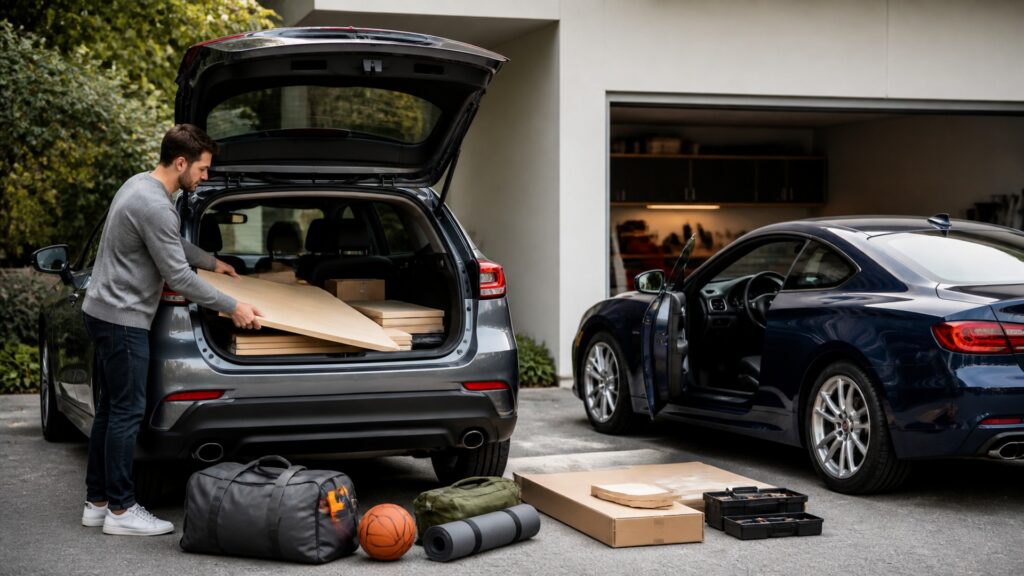
By: Review Streets Research Lab
Updated: October 5, 2026
Explainer · 8-12 min read
hatchbacks explainer hero image for Review Streets
What You'll Learn

When a Hatchback Makes Daily Life Easier

Compare passenger access, cargo flexibility, and parking needs before choosing a body style.

  • Recognize the difference between a rear hatch and a trunk lid.
  • Decide whether you need five-door passenger access.
  • Test cargo space with the seats you must keep occupied.
  • Check the opening and loading height with real belongings.
  • Identify situations where a coupe remains a good fit.

Tip: Bring your largest regularly carried item to the comparison, along with the people who normally travel with you.

Definitions

The Layout Features Behind the Choice

A car can have the right volume on paper but the wrong access for your routine.

Rear hatch

A rear hatch is an upward-opening rear door that includes the rear glass and provides access to the luggage area.

  • Example: loading a tall box through an open hatch
  • Check: the narrowest part of the opening
  • Limit: a sloping roof can reduce clearance inside

Traditional coupe

A traditional coupe is a fixed-roof car with two side doors, often with a smaller rear seating area.

  • Example: moving a front seat to reach the rear bench
  • Check: how often passengers will need that route
  • Limit: some cars called coupes have four side doors or a rear hatch

Five-door layout

A five-door layout has four passenger doors plus the rear hatch.

  • Example: a rear passenger entering through a dedicated side door
  • Check: the size of the rear-door opening
  • Limit: five doors do not guarantee generous legroom

Split-folding rear seat

A split-folding seat lets separate parts of the rear backrest fold independently.

  • Example: carrying a long package beside an available rear seat
  • Check: which section folds and which seats remain usable
  • Limit: cargo must not compromise an occupied seat or its restraints

Loading sill

The loading sill is the lower edge of the cargo opening that an item must clear.

  • Example: lifting a suitcase over the rear threshold
  • Check: height from the ground and any drop to the floor
  • Limit: a wide opening can still require an awkward lift

Seats-up cargo space

Seats-up cargo space is the luggage area available while the rear seats remain in passenger use.

  • Example: carrying a stroller while the back seats are occupied
  • Check: the cargo arrangement your household actually needs
  • Limit: a maximum-volume figure with seats folded answers a different question

Tip: Compare the same seating arrangement in both cars; folding away passengers is not a practical cargo solution.

Changing Loads

A Hatch Helps When Cargo Shapes Keep Changing

A rectangular box, a folded stroller, and a week of shopping do not use space in the same way. A hatch can give you more freedom to angle objects through the opening and rearrange the rear seats. The benefit is access, not a guarantee that every hatchback has a larger luggage area than every coupe.

  • Check the aperture before the advertised volume.
  • Try loading without scraping trim or glass.
  • Confirm the hatch closes fully with the object inside.

If your regular load already fits a coupe easily, the hatchback's extra flexibility may be less important.

Passengers

Choose Five Doors for Frequent Rear-Seat Trips

A dedicated rear door can simplify a shared commute or helping someone into the back seat. A three-door hatchback gives up that advantage: like a two-door coupe, it may require moving a front seat. Door count and hatch access are therefore two separate decisions.

  • Let regular passengers try entry and exit.
  • Return the front seat to its normal driving position.
  • Check rear foot space and headroom after everyone is seated.

For repeated rear-seat use, compare a five-door hatchback with the actual coupe rather than assuming all hatchbacks offer equal convenience.

Mixed Use

Keep the Passenger and Cargo Needs in One Test

A car may carry your largest item with every rear seat folded and still fail your everyday needs. A parent transporting a stroller needs the child's seating position available at the same time. A musician traveling with another person may need only one folding section. Plan the combination, not separate demonstrations of maximum seating and maximum cargo.

  • List the seats that must remain usable.
  • Try the relevant split-fold arrangement.
  • Allow room for the restraints and secure stowage the load requires.

Choose the layout that works with everyone and everything aboard together.

Parking

Check Side Clearance and Overhead Clearance

Coupe doors are often long, which can make entry awkward beside a garage wall. A five-door hatchback may be easier from the side, but its open hatch needs space behind and above the car. A low garage ceiling or shelf can affect how useful that opening is at home.

  • Measure the parking space and fixed obstructions.
  • Try getting in with limited door opening.
  • Check the liftgate's full opening path.

A shorter exterior does not by itself prove that a car is easier to use in your parking space.

Preferences

A Coupe Still Makes Sense for the Right Routine

If most journeys carry one or two people and little luggage, a coupe may satisfy the practical requirements already. You may prefer its seating position, styling, or the way a particular model drives. A hatchback is not automatically more economical, more comfortable, or less enjoyable; engine choice, tires, suspension, and vehicle condition also matter.

  • Drive both candidates over the same roads.
  • Price insurance and routine service for the exact cars.
  • Decide which inconvenience would repeat most often.

Choose the hatchback when its access solves a real recurring problem, rather than buying unused versatility by habit.

Quick Reality Check

Two Everyday Patterns, Two Reasonable Choices

Think about the trips you repeat, not the unusual load you might carry once.

A Hatchback Has a Strong Case

Your cargo changes shape or you often combine rear passengers with luggage.

You want flexible rear access and, in a five-door model, independent passenger doors.

A Coupe Can Be Enough

Most travel is with one companion and luggage that already fits.

You prefer the specific car after checking rear access and parking limitations.

Common Myths

Misconceptions About Hatchbacks and Coupes

Look beyond the body-style shorthand.

Every hatchback has five doors

Three-door hatchbacks also exist. The rear hatch does not tell you how passengers enter.

A coupe cannot have a hatch

Some coupe designs use a liftback opening. Inspect the actual cargo access.

Folding seats makes any cargo problem disappear

You still need space for passengers, an adequate opening, and compliance with the car's loading limits.

Tip: Useful versatility is the configuration you can use on an ordinary day.

FAQ

Questions About Choosing a Hatchback Over a Coupe

Practical answers for changing loads and passenger routines.

When is a hatchback clearly worth considering?

When bulky or changing cargo is common, or when a five-door layout would make frequent rear-seat access easier.

Which figure should I compare for cargo?

Start with capacity in the seating arrangement you need, then measure the opening and try your actual items. Maximum folded-seat volume can be misleading for passenger trips.

Does a hatchback always park more easily?

No. Length, width, visibility, turning circle, door swing, and overhead hatch clearance all affect the result.

Should I rule out a coupe for everyday use?

No. If its seats, doors, and luggage area meet your routine, it can be an entirely practical choice.

Bottom Line

Use a hatchback when flexible loading and the right passenger-door layout make your repeated trips easier.

Test the exact cargo-and-passenger combination you need. A coupe remains a sensible option when it already does those jobs well.

Next Steps

Go Deeper or Compare Your Options

Use these Review Streets paths to compare related categories and practical next decisions.