
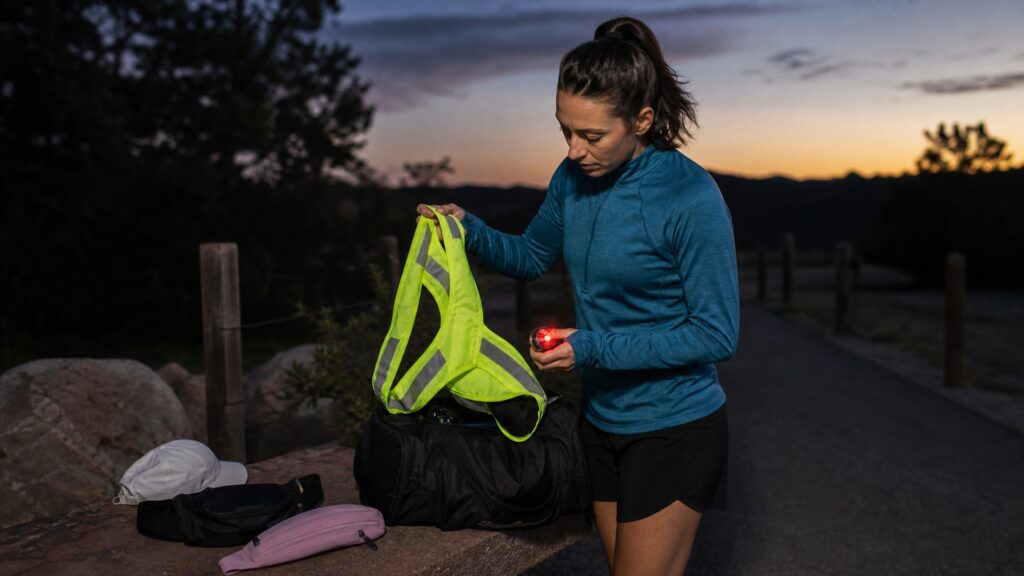
When to Use Running Safety Gear Instead of Running Accessories

Use running safety gear instead of general running accessories when the main need is visibility, lighting, emergency access, or route risk. A light, reflective vest, ID band, or phone-access setup makes more sense than a general belt, hat, or storage item when safety is the limiting factor.

General running accessories are still useful when the run mainly needs comfort, storage, weather coverage, or convenience. Safety gear should take priority when being seen, seeing the route, or reaching help matters most.

By: Review Streets Research Lab
Updated: September 30, 2026
Explainer · 8-12 min read
running safety gear explainer hero image for Review Streets
What You'll Learn

When Route Risk Should Decide The Gear

A decision path for choosing safety-specific gear over broader running accessories.

  • When visibility and lighting should come first
  • How safety gear differs from general running accessories
  • Where storage and comfort accessories still make sense
  • Why route risk changes the priority
  • How to combine safety gear with other accessories

Tip: Choose safety gear when the run's main problem is risk, not convenience.

Definitions

Key Concepts For Choosing Safety Gear

These concepts separate safety-specific needs from general accessory needs.

Visibility Support

Visibility support helps the runner see or be seen in low-light or complex route conditions.

  • Example: wearing reflective pieces or a light on an early run
  • Check: view the runner from front, side, and back
  • Limit: visibility gear does not remove traffic risk

Route Awareness

Route awareness is how well the runner can notice traffic, footing, people, weather, and exits.

  • Example: keeping lighting and phone access simple on a dark route
  • Check: avoid gear that steals attention
  • Limit: gear cannot replace judgment

Emergency Access

Emergency access is the ability to reach ID, phone, medication, or help when needed.

  • Example: keeping a phone and ID in a reachable pocket
  • Check: make essentials accessible without unpacking everything
  • Limit: not every route needs the same kit

Fit And Stability

Fit and stability describe whether safety gear stays put without rubbing, bouncing, or blocking movement.

  • Example: a lighted vest that does not shift during arm swing
  • Check: test at running pace
  • Limit: secure gear still needs comfort

Weather Readiness

Weather readiness is choosing gear that supports safety in rain, heat, cold, wind, or glare.

  • Example: using a brim, light shell, or high-visibility layer
  • Check: match gear to effort and conditions
  • Limit: too much gear can overheat the runner

Safety Role

Safety role is the specific risk a piece of gear is meant to reduce.

  • Example: a rear light for road visibility or ID for emergency contact
  • Check: name the risk before adding the item
  • Limit: one item rarely covers every risk

Tip: Safety gear should answer the risk that would matter most if something went wrong.

Visibility

Use Safety Gear When Others Need To See You

Low light, traffic, crossings, rain, and shade can make visibility the main issue. In those cases, reflective or lighted gear should come before ordinary accessories.

  • Use active lights where darkness is significant.
  • Use reflective gear where outside light is present.
  • Keep visibility features uncovered.

Being seen is a safety-specific job.

Route

Use Safety Gear When The Route Raises The Stakes

Busy roads, isolated trails, early starts, late finishes, and poor footing can make safety gear more important than convenience items.

  • Review traffic, light, and isolation.
  • Carry phone or ID when appropriate.
  • Choose gear that reduces the route's biggest risk.

Route risk should drive the setup.

Accessories

Use General Accessories For Comfort And Carry Needs

A belt, hat, gloves, or phone holder can be the better choice when the run needs storage, weather comfort, or convenience rather than safety-specific support.

  • Use general accessories for small carry.
  • Use weather items for comfort and exposure.
  • Do not overbuild a simple route.

Not every run needs dedicated safety gear.

Combination

Some Runs Need Both Safety And General Support

A dark long run may need lights, ID, hydration, and storage. The key is making sure the combined setup stays comfortable and visible.

  • Avoid covering reflectors with packs.
  • Keep phone access reachable.
  • Limit items that bounce or distract.

Combine gear when the route creates several needs.

Decision

Start With The Most Consequential Problem

If a missing item could make the route less visible, less controlled, or harder to handle in an emergency, safety gear should come first.

  • Ask what could go wrong on the route.
  • Choose safety gear for visibility and emergency readiness.
  • Add general accessories only when they solve another problem.

Safety gear takes priority when risk is the main issue.

Quick Reality Check

When Safety Gear Wins And When Accessories Stay Better

The decision depends on whether risk or convenience is the main issue.

Safety Gear Wins When

Visibility, lighting, traffic, isolation, footing, or emergency access is the main concern.

The runner needs lights, reflectors, ID, or route-safety support.

General Accessories Stay Better When

The main need is storage, comfort, weather coverage, or convenience.

The route risk is low and safety-specific gear would not add much.

Common Myths

Misconceptions About Safety Gear And Accessories

Safety-specific gear and general accessories can overlap, but they are not identical.

Any accessory can count as safety gear

Only some accessories reduce visibility, emergency, route, or weather risk.

Safety gear is always necessary

Simple low-risk routes may need little beyond ordinary essentials.

A phone holder replaces all safety gear

Phone access helps, but it does not solve visibility or lighting by itself.

General accessories are less important

Comfort and storage still matter when safety risk is already addressed.

Tip: Choose by the route's main problem.

FAQ

Frequently Asked Questions About Safety Gear Versus Accessories

Short answers for choosing the right category.

When should safety gear come first?

Use safety gear first when visibility, traffic, isolation, footing, or emergency access is the main concern.

When are general accessories enough?

They may be enough when the route is familiar, visible, low risk, and the main need is comfort or storage.

Can one item do both?

Yes. Some lights, belts, vests, and phone holders can support both safety and convenience.

What should I check before leaving?

Check light, traffic, route isolation, weather, phone access, and whether visibility features stay exposed.

What is the practical takeaway?

Use safety gear when the run's main need is risk reduction rather than general convenience.

Bottom Line

Use running safety gear instead of general accessories when visibility, lighting, emergency access, or route risk is the main issue.

Use general accessories when the main need is storage, comfort, weather coverage, or convenience.

Next Steps

Go Deeper or Compare Your Options

Use these Review Streets paths to compare related categories and practical next decisions.