
When to Use Smart Workout Mirrors Instead of Fitness Training Apps

Use a smart workout mirror instead of a fitness training app when visual coaching, a dedicated workout display, and a ready home training spot would make workouts easier to follow. Apps are flexible and inexpensive, but they often leave the user juggling a phone, choosing from crowded menus, and setting up the screen for every session.

A smart mirror makes more sense when the room can support it, the subscription offers classes the user will repeat, and the larger display improves the workout enough to justify the cost and wall space.

By: Review Streets Research Lab
Updated: September 23, 2026
Explainer · 8-12 min read
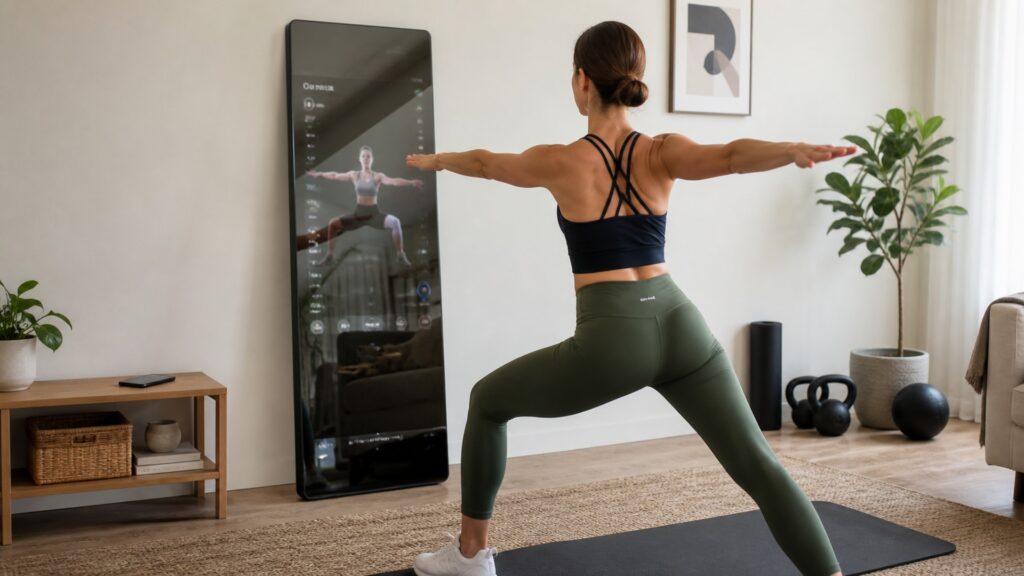
smart workout mirrors explainer hero image for Review Streets
What You'll Learn

When A Smart Mirror Is The Better Fit

A practical decision path for choosing wall-mounted coaching over app-only training.

  • Why a dedicated display can improve workout flow
  • When an app is still the smarter choice
  • How room setup and visibility affect the decision
  • Where equipment needs change total cost
  • What to check before committing to the mirror

Tip: Judge the mirror by whether it makes the next workout easier to start and follow.

Definitions

Key Concepts Behind Smart Workout Mirrors Instead of Fitness Training Apps

These concepts clarify the practical details that shape smart workout mirror value.

Dedicated Display

A dedicated display is a screen that stays ready for workouts instead of using a phone or tablet.

  • Example: a wall mirror showing the instructor and timer
  • Check: see whether visibility improves your session
  • Limit: a larger screen does not guarantee better programming

App Flexibility

App flexibility is the ability to train across locations and devices with lower setup requirements.

  • Example: following a workout at a hotel or gym
  • Check: decide how often you train away from home
  • Limit: small screens can be awkward during movement

Room Fit

Room fit is how well the mirror, wall, lighting, and floor space support training.

  • Example: having room to lunge while still seeing the screen
  • Check: measure viewing distance and movement space
  • Limit: wall mounting does not remove floor-space needs

Class Experience

Class experience is how useful and enjoyable the guided sessions feel over time.

  • Example: returning to the same strength program each week
  • Check: sample classes before committing
  • Limit: novelty can fade quickly

Equipment Setup

Equipment setup covers the dumbbells, bands, mat, or accessories needed around the mirror.

  • Example: keeping weights near the workout area
  • Check: list required gear for favorite classes
  • Limit: extra gear adds cost and storage

Subscription Value

Subscription value is whether the ongoing content and features justify the monthly cost.

  • Example: using programs, live classes, and tracking several times weekly
  • Check: compare expected use with total cost
  • Limit: a paused subscription may reduce usefulness

Tip: The best feature is the one that improves a real session without adding setup friction.

Display

Choose A Mirror When The Screen Changes The Session

A smart mirror can make demos, timers, and class flow easier to see. That matters most when phone-based workouts feel cramped or distracting.

  • Check visibility while moving.
  • Compare setup time against your current app routine.
  • Make sure the mirror helps more than it decorates.

The larger display should improve the workout itself.

Routine

A Ready Training Spot Can Reduce Friction

A mirror works best when the workout area can stay available. If the room has to be rearranged every time, the advantage over an app shrinks.

  • Measure floor clearance.
  • Plan where weights and mats will live.
  • Check lighting and glare at workout times.

The room has to support the habit.

App Advantage

Use An App When Flexibility Matters More

A fitness app is still better for travel, gym use, lower cost, and users who already have a screen setup that works.

  • Apps move between rooms and locations.
  • Apps are easier to pause or replace.
  • Apps can pair with equipment you already own.

The mirror should not replace flexibility unless the home setup is the priority.

Content

The Subscription Has To Earn The Commitment

A mirror purchase depends heavily on the platform. Strong value comes from classes and programs the user will repeat, not from a launch-day library count.

  • Review programs, not just class quantity.
  • Check beginner and recovery options.
  • Include monthly cost in the comparison.

The content has to stay useful after the novelty fades.

Decision

Buy For A Real Barrier The App Does Not Solve

The best reason to choose a mirror is that app-only training has a clear limitation: poor visibility, too much setup, weak class flow, or low consistency at home.

  • Name the barrier before buying.
  • Choose the system that removes it.
  • Keep the app if the barrier is mostly motivation or travel.

The mirror is worth it when the dedicated setup changes behavior.

Quick Reality Check

Where Mirrors Beat Apps And Where Apps Stay Better

The decision depends on whether a dedicated home display solves a real problem.

Smart Mirrors Win When

A larger display and ready space improve workout flow.

The user wants wall-based classes and a consistent home training spot.

Fitness Apps Stay Better When

Portability, lower cost, and flexible locations matter more.

The user already has a good screen and equipment setup.

Common Myths

Misconceptions About Mirrors Versus Apps

A mirror is not automatically a better app.

A mirror is always more immersive

It is more immersive only if the room, screen, and classes work well together.

Apps are too small for serious training

Apps can work well when the user has a good setup and clear programming.

The mirror replaces equipment

Many mirror classes still need separate gear.

A subscription guarantees consistency

Consistency still depends on schedule, habit, and class fit.

Tip: Strong product claims should lead to closer inspection, not automatic trust.

FAQ

Frequently Asked Questions About Smart Mirrors Versus Apps

Short answers for practical buying and training decisions.

When should I choose a mirror over an app?

Choose a mirror when the larger display and ready workout space would improve follow-through.

Can an app be enough?

Yes. An app can be enough when portability, lower cost, and existing equipment matter more.

What should I check before buying?

Check wall placement, floor space, class quality, required gear, and subscription cost.

Who should avoid a mirror?

Users who train in many places or want minimal commitment may be better served by an app.

What is the practical takeaway?

Use a mirror when home display and class flow solve a real problem; use an app when flexibility is the main need.

Bottom Line

A smart workout mirror makes sense when a dedicated display and ready home setup improve training more than a phone app can.

Fitness apps remain stronger for flexible, lower-cost, and portable coaching.

Next Steps

Go Deeper or Compare Your Options

Use these Review Streets paths to compare related categories and practical next decisions.