When to Use Stretching Tools Instead of Elliptical Machines

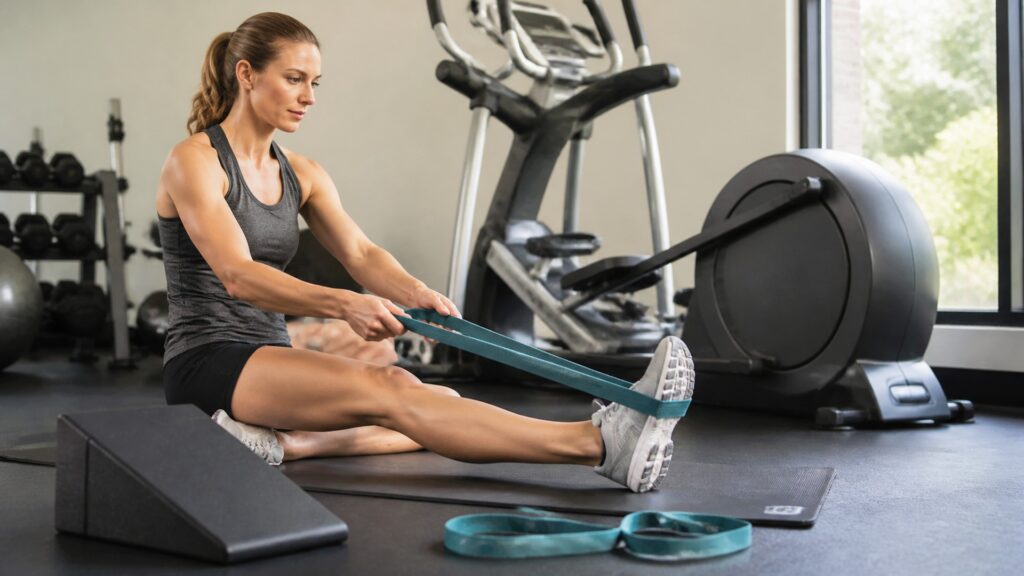
Use stretching tools instead of an elliptical machine when the goal is controlled mobility, targeted range, or support for tight areas rather than cardio conditioning. A strap, block, band, or wheel helps shape positions. An elliptical creates repeated low-impact movement for aerobic work.

The decision is not about which product is more useful overall. It is about the immediate workout need. Stretching tools make sense when the session needs range and control; elliptical machines make sense when the session needs steady conditioning.

By: Review Streets Research Lab
Updated: September 30, 2026
Explainer · 8-12 min read
stretching tools explainer hero image for Review Streets
What You'll Learn

When Mobility Support Beats Cardio Equipment

A decision path for choosing stretching tools over elliptical machines in the right situations.

  • When the goal is targeted range rather than aerobic output
  • How stretching tools help with position, support, and tension
  • Where elliptical machines remain the better choice
  • Why recovery and warmup needs change the decision
  • What to check before replacing one session with the other

Tip: Choose the tool that matches the session's job. Mobility support and cardio work are different needs.

Definitions

Key Concepts For Choosing Stretching Tools Over Ellipticals

These concepts clarify when assisted stretching is the better fit.

Targeted Mobility

Targeted mobility focuses on a specific range, joint area, or movement limitation.

  • Example: using a strap for controlled calf or hamstring range
  • Check: name the area the stretch is meant to help
  • Limit: targeted work does not replace cardio

Aerobic Conditioning

Aerobic conditioning is sustained effort that challenges breathing and endurance.

  • Example: using an elliptical for a steady 25-minute session
  • Check: track time, pace, and effort
  • Limit: conditioning may not address a specific tight area

Support Need

Support need is the amount of help required to hold a position safely.

  • Example: using a yoga block to reduce reach in a hip stretch
  • Check: choose support that reduces strain
  • Limit: support should not force deeper range

Warmup Fit

Warmup fit is how well the choice prepares the body for the next activity.

  • Example: using light dynamic stretching before lifting
  • Check: keep the body ready rather than tired
  • Limit: long holds may be a poor warmup

Recovery Fit

Recovery fit is how well the activity helps the user calm down after training.

  • Example: using a strap gently after a run
  • Check: look for smooth breathing and low tension
  • Limit: recovery work should not become aggressive

Session Tradeoff

Session tradeoff is what the user gives up by choosing one option.

  • Example: choosing stretching means less cardio time that day
  • Check: match the tradeoff to the goal
  • Limit: both needs may require separate sessions

Tip: Use stretching tools when range and support are the limiting factor, not when the workout mainly needs sustained effort.

Mobility Goal

Choose Stretching Tools For Specific Range Work

Stretching tools are the better choice when the user needs to work on a position, tight area, or controlled range. The tool helps create access that an elliptical cannot target directly.

  • Use a strap, block, or band for a specific stretch.
  • Keep tension gradual and easy to release.
  • Measure success by control, not maximum depth.

Targeted mobility is the clearest reason to choose stretching tools.

Cardio Goal

Use The Elliptical When Conditioning Is The Main Need

An elliptical machine is designed for repeated aerobic movement. If the goal is heart-rate work, endurance, or low-impact cardio, stretching tools are not a substitute.

  • Choose elliptical work for steady effort.
  • Use time, resistance, and pace to guide the session.
  • Add stretching separately when range also matters.

Cardio equipment should stay in the plan when conditioning is the priority.

Warmup

Stretching Tools Can Help When A Movement Needs Preparation

Before some workouts, a brief supported stretch or mobility drill can prepare a tight area. That makes sense when the next activity depends on better position or comfort.

  • Keep warmup stretching short and controlled.
  • Use dynamic range when the main workout is demanding.
  • Avoid tiring the area before training starts.

The tool should prepare the movement, not drain the session.

Recovery

Stretching Tools Often Fit Better After Training

After a hard session, stretching tools can support lower-effort recovery work. An elliptical may be too much if the body mainly needs calm positioning and gentle range.

  • Use support to reduce strain.
  • Keep breathing relaxed.
  • Stop before sharp pain or tingling.

Recovery is a strong use case when the tool lowers effort.

Decision

Use Both When The Routine Needs Both Outcomes

A complete routine may include elliptical conditioning and stretching tools. The mistake is expecting one category to fully replace the other when the goals are different.

  • Separate cardio goals from mobility goals.
  • Use the elliptical for sustained work.
  • Use stretching tools for targeted support.

The best choice is the one that matches the immediate need.

Quick Reality Check

When Stretching Tools Win And When Ellipticals Stay Better

The right choice depends on whether the session needs mobility support or conditioning.

Stretching Tools Win When

The user needs targeted range, support, or low-effort recovery positioning.

A specific body area needs controlled assistance.

Ellipticals Stay Better When

The user needs sustained low-impact cardio.

The goal depends on time, pace, resistance, and endurance.

Common Myths

Misconceptions About Stretching Tools Versus Ellipticals

The two options are different enough that a simple winner is usually the wrong frame.

Stretching tools are a cardio substitute

They can support mobility, but they do not create the same sustained aerobic workload.

Ellipticals make stretching unnecessary

Ellipticals move the body, but they do not target every range or position.

Recovery always means stretching

Some recovery days may use light cardio, stretching, rest, or a mix depending on the person.

The harder option is better

The better option is the one that fits the session's goal.

Tip: Do not replace cardio with stretching or stretching with cardio unless the goal has changed.

FAQ

Frequently Asked Questions About Stretching Tools And Ellipticals

Short answers for choosing the right option.

When should I choose stretching tools?

Choose stretching tools when the session needs targeted mobility, support, or gentle recovery positioning.

When should I choose an elliptical?

Choose an elliptical when the goal is steady low-impact cardio or endurance work.

Can stretching tools help before using an elliptical?

Yes, if a brief mobility drill helps the user move comfortably without causing fatigue.

Can an elliptical warm me up enough?

Sometimes. It can raise temperature and rhythm, but it may not address a specific tight position.

What is the practical takeaway?

Use stretching tools for range and support; use ellipticals for sustained conditioning.

Bottom Line

Use stretching tools instead of an elliptical when the session needs targeted range, support, or gentle mobility work.

Use the elliptical when the main goal is steady low-impact conditioning.

Next Steps

Go Deeper or Compare Your Options

Use these Review Streets paths to compare related categories and practical next decisions.