
Pad Wear
Loss of usable braking material on rim or disc brake pads.
- It changes brake feel and service timing.
- It can be inspected visually on many bikes.
- Model guidance should be followed.
Bicycle safety factors matter because the bike shares real space with ground surfaces, traffic rules, weather, and other people.
Useful checks begin with product-level items: brakes, tires, wheel attachment, steering hardware, chain condition, lights, reflectors, helmet fit, and the owner's manual for that bike.
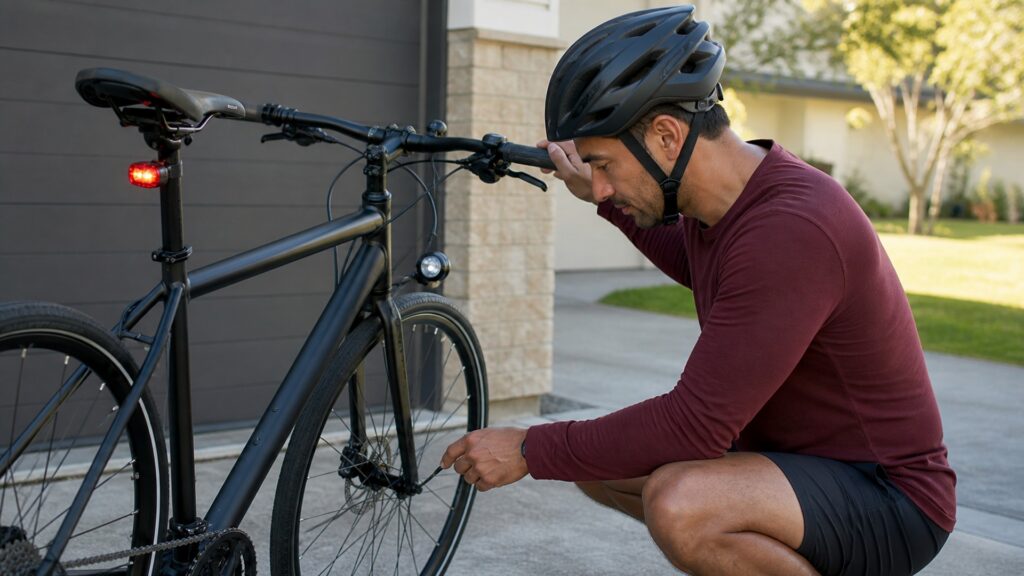
This keeps bicycle safety discussion focused on visible equipment and operating context.
Tip: Think from stopping and steering outward: brakes, tires, wheels, bars, drivetrain, visibility, route context.
These definitions connect the main idea to the variables, limits, and practical signals readers need to compare options.
Loss of usable braking material on rim or disc brake pads.
The surface the brake pads contact to slow the wheel.
The axle, quick release, or thru-axle setup that keeps a wheel seated.
The pressure range marked or specified for a tire and setup.
A bolt or clamp in the bar, stem, or headset area.
Lights, reflectors, or similar items used to make presence easier to notice.
Tip: Use this vocabulary to inspect brakes, tires, wheels, steering hardware, visibility gear, and model-specific guidance.
A bicycle's brake system turns hand force into wheel-slowing friction, so pad wear, rotor condition, cable or hose behavior, and lever feel matter.
Braking is the first product system to inspect.
Tire pressure, tread wear, cuts, wheel security, and axle type shape how the bike contacts the route.
Ground contact belongs in one focused section, not scattered everywhere.
Handlebars, stem bolts, headset play, chain wear, and shifting condition can affect control before the rider notices a bigger failure.
Predictable control depends on more than brakes.
Lights, reflectors, and some apparel details help visibility, but they do not replace brakes, steering, route awareness, or local rules.
Visibility is important, but it is not the whole safety story.
A bicycle can pass basic product checks while a rider still needs personal judgment, instruction, or qualified advice for specific concerns.
Product safety factors cannot become personal guarantees.
Safety-factor analysis identifies bicycle systems and ride conditions that deserve inspection.
It separates brakes, tires, wheels, steering, drivetrain, and visibility.
It points readers toward manuals and local rules.
It does not guarantee crash prevention.
It does not provide medical, legal, or individualized riding advice.
Common shortcuts and misunderstandings can make the topic seem simpler than it is.
Helmet fit matters, but brakes, tires, wheels, steering, lights, and route context also matter.
New or assembled bikes can still need fit, fastener, brake, and tire checks.
Lights support visibility but do not replace control or rule awareness.
Pressure also affects contact feel and should match tire and route guidance.
Tip: Treat strong claims as starting points for comparison, not final answers.
Concise answers to common questions readers may have after the main explanation.
They are equipment and context checks such as brakes, tires, wheel attachment, steering, lights, fit, manuals, and route rules.
Brakes are the system intended to slow the wheels, so their condition has direct practical importance.
Lights are accessories, but they support bicycle use and belong in safety-factor discussion.
No. It can organize product checks, but it cannot promise outcomes.
Yes. Torque values, brake setup, tire limits, and maintenance guidance are model-specific.
Bicycle safety factors matter because riding depends on stopping, steering, tire contact, visibility, fit, and route context working together.
The useful version is an equipment-and-context check, not a promise that any product makes riding risk-free.
Use these Review Streets paths to connect the explainer to related categories, comparisons, and next decisions.
Use this for the brake, steering, and drivetrain systems behind the checks.
Read this for the movement pattern that makes stopping and steering relevant.
Browse bicycles after clarifying product-level safety checks.
Choose a retailer
Prices checked regularly. We may earn a commission at no cost to you.