
Ride Purpose
The intended use of the bicycle session.
- It may be commuting, endurance, intervals, or terrain practice.
- It controls feature priority.
- It is not proof of results.
Bicycle training function is not a console feature. It is the way a real bike supports a ride type through gear range, fit, tire choice, bottle mounts, sensor mounts, trainer compatibility, and terrain match.
A commute, endurance ride, hill route, interval workout, gravel loop, and indoor trainer session put different demands on the same bicycle. The function lives in how the bike carries those ride demands.
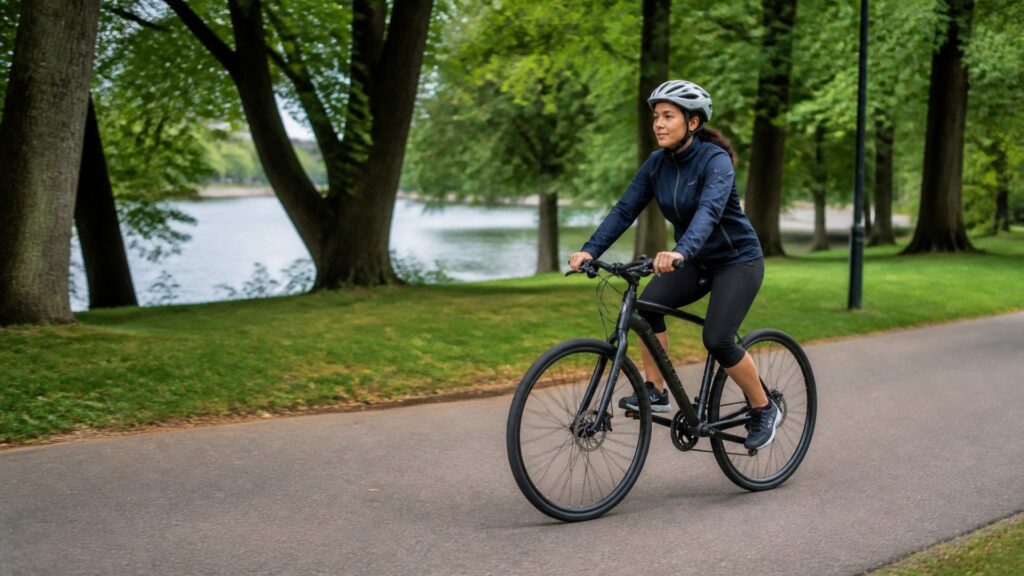
Bicycle training function links ride purpose, gearing, fit, sensors, and terrain instead of treating the bike as generic exercise equipment.
Tip: Start with the route or ride type; bicycle features only become training functions when they help that ride happen.
These definitions connect the main idea to the variables, limits, and practical signals readers need to compare options.
The intended use of the bicycle session.
The spread of available gear ratios.
The pedaling rhythm a rider can realistically hold.
A frame or component interface for accessories or sensors.
How well tires, frame, and gearing suit the route surface.
Whether the bicycle can work with an indoor trainer.
Tip: Read the terms as ride constraints: route, gearing, fit, mounts, measurement, and terrain.
A bicycle's training function depends on whether it supports commuting, endurance rides, intervals, climbs, indoor trainer use, or mixed surfaces.
The ride type decides which functions matter.
A training ride often depends on holding a workable cadence across terrain. Gear range controls whether that is realistic.
Gearing is a training function because it shapes ride execution.
Frame fit, saddle position, handlebar reach, tire width, and pressure shape whether a bike can support repeated rides.
Training function is not only electronics.
Power meters, heart-rate mounts, bike computers, and apps can structure rides, but they do not automatically interpret readiness or prescribe training.
Data supports structure without guaranteeing progress.
Wind, traffic, road surface, elevation, and weather shape bicycle training function in ways a stationary machine does not.
The bike's training role includes the world it moves through.
Training-function analysis helps explain how a bicycle supports particular ride structures and environments.
It connects gear range, fit, tires, mounts, and route terrain to use.
It separates useful ride data from coaching or medical claims.
It cannot guarantee fitness gains, speed, recovery, or safe riding.
Road conditions and rider context remain outside product function.
Common shortcuts and misunderstandings can make the topic seem simpler than it is.
Training function depends on the ride purpose and terrain.
They provide data, not interpretation or coaching.
Gear spacing, terrain, and rider use all matter.
Wind, traffic, road surface, and elevation change the session.
Tip: Treat strong claims as starting points for comparison, not final answers.
Concise answers to common questions readers may have after the main explanation.
It is how the bike supports the intended ride type through gearing, fit, tires, mounts, and measurement.
It affects whether the rider can maintain workable cadence across terrain.
They can support structure, but they do not coach by themselves.
A bicycle trains outdoors or on routes where surface and elevation change the use case.
No. It explains bike function, not results.
Bicycle training function matters because the bike must fit a real ride purpose: commuting, endurance, intervals, climbing, trainer use, or mixed terrain.
Gearing, fit, tires, mounts, sensors, and route context shape that role without guaranteeing outcomes.
Use these Review Streets paths to connect the explainer to related categories, comparisons, and next decisions.
Use this for the bicycle mechanism behind the topic.
Read this to connect bicycle design with ride use cases.
Browse bicycle options after the concept is clear.
Choose a retailer
Prices checked regularly. We may earn a commission at no cost to you.