
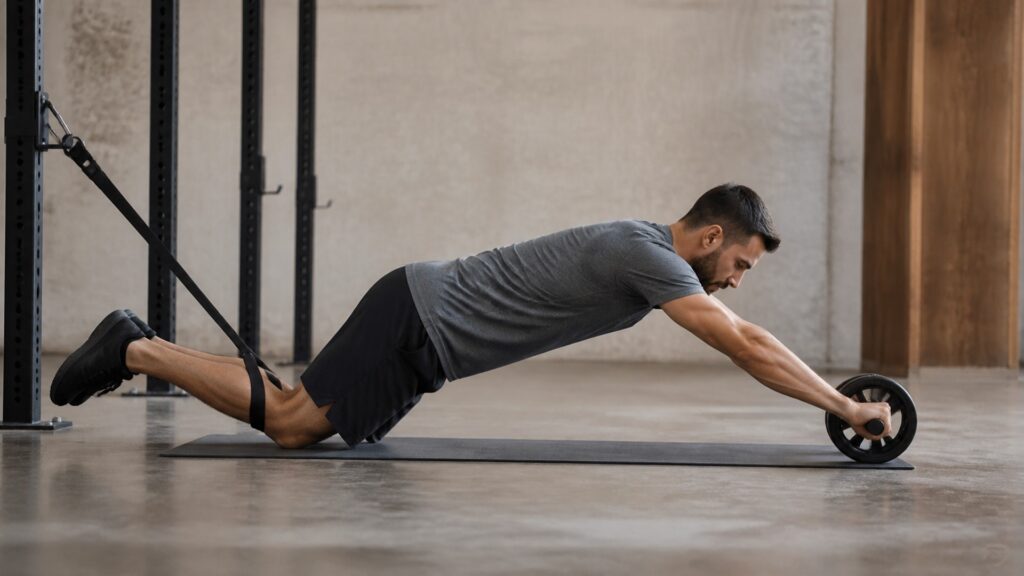
Why Bodyweight Training Equipment Movement Pattern Matters

Movement pattern matters in bodyweight training equipment because each tool supports some actions better than others. A pull-up bar is built around hanging and pulling. Push-up handles and parallettes support pressing. Sliders and ab wheels challenge core control. Dip stations support vertical pressing and bracing.

If the movement pattern does not match the training goal, the tool can feel awkward or incomplete. The best choice starts with the action the user needs to train: push, pull, brace, hinge, squat, rotate, carry, crawl, or stabilize.

By: Review Streets Research Lab
Updated: October 2, 2026
Explainer · 8-12 min read
bodyweight training equipment movement pattern explainer hero image for Review Streets
What You'll Learn

How Movement Patterns Shape Bodyweight Gear Choice

A practical guide to matching bars, handles, straps, sliders, wheels, and stations to the movements they support.

  • Why tool choice should start with the movement pattern
  • How pushing, pulling, bracing, and support patterns differ
  • Where leverage and body angle change the exercise
  • Why some tools are narrow while others are versatile
  • How to avoid buying equipment that misses the main goal
  • What movement coverage to check before building a setup

Tip: List the movements you repeat before choosing the tool. The equipment should support those patterns clearly.

Definitions

Key Concepts Behind Bodyweight Movement Patterns

These concepts connect bodyweight equipment to the actions it can train well.

Movement Pattern

A movement pattern is the basic action an exercise trains, such as pushing, pulling, bracing, squatting, hinging, rotating, or stabilizing.

  • Example: a push-up handle supporting a horizontal push
  • Check: name the pattern before buying the tool
  • Limit: one tool may not cover every pattern

Push Pattern

A push pattern moves the body away from a support or moves the support away from the body.

  • Example: push-ups on parallettes or dips on a station
  • Check: review wrist, shoulder, and range comfort
  • Limit: pressing tools may not help pulling work

Pull Pattern

A pull pattern draws the body toward a bar, strap, ring, or support.

  • Example: pull-ups, chin-ups, inverted rows, or suspension rows
  • Check: confirm grip and mounting are secure
  • Limit: pulling can be too hard without regressions

Brace Pattern

A brace pattern trains the trunk to resist extension, rotation, or collapse.

  • Example: ab-wheel rollouts or slider body saws
  • Check: keep the spine and pelvis controlled
  • Limit: core tools can overload beginners quickly

Support Pattern

A support pattern trains the user to hold bodyweight through the hands, arms, shoulders, or torso.

  • Example: dip support holds or parallette L-sits
  • Check: match support demand to current strength
  • Limit: joint stress can rise fast

Coverage Gap

A coverage gap is a movement the setup does not train well.

  • Example: owning pressing handles but no pulling option
  • Check: compare the setup against push, pull, brace, and lower-body needs
  • Limit: no compact setup covers everything perfectly

Tip: Good bodyweight setups cover the movements the user actually needs, not every tool category.

Selection

Start With The Movement, Not The Product

The same category can include very different tools. Choosing by movement pattern prevents a user from buying a strong tool for the wrong exercise.

  • Choose bars or straps for pulling patterns.
  • Choose handles or parallettes for pressing patterns.
  • Choose wheels or sliders for bracing patterns.

The movement tells you whether the tool belongs in the setup.

Balance

A Setup Needs More Than One Pattern

A bodyweight routine that only presses, only pulls, or only trains core control can become unbalanced. Equipment should support a useful mix of patterns for the goal.

  • Check push and pull coverage.
  • Include bracing and controlled lower-body options.
  • Avoid collecting tools that repeat the same pattern.

Movement coverage matters more than owning many pieces.

Leverage

Body Angle Changes The Pattern's Difficulty

Bodyweight tools often change difficulty by changing body angle or support height. That means the same pattern can be scaled for different users.

  • Incline pressing can reduce push-up load.
  • Lower-angle rows can make pulling harder.
  • Longer rollouts can increase bracing demand.

Useful equipment lets the pattern progress without losing form.

Constraints

The Tool's Shape Can Limit The Pattern

A tool can support the right movement in theory but still fit poorly because of grip width, height, clearance, mounting, or floor space.

  • Check handle width and wrist angle.
  • Measure bar height and clearance.
  • Confirm the floor supports sliders or wheels.

Movement pattern fit includes the physical setup, not just the exercise name.

Decision

Choose Tools That Fill Real Gaps

The best bodyweight equipment solves a missing pattern. A user with good pressing options may need a pulling tool. A user with bars may need floor-based core control.

  • Audit the routine before buying.
  • Prioritize missing patterns over duplicate tools.
  • Keep progression and space in the decision.

Pattern-aware buying keeps the setup practical.

Quick Reality Check

Where Movement Pattern Fit Helps And Where It Has Limits

Movement patterns make bodyweight tool choice clearer, but they do not replace setup checks.

Where It Helps

It matches tools to pushing, pulling, bracing, support, and lower-body needs.

It reveals gaps before the user buys duplicate equipment.

Where It Falls Short

It does not guarantee the tool fits the user's space, joints, or strength level.

Some patterns still need external load or coaching beyond bodyweight tools.

Common Myths

Misconceptions About Bodyweight Movement Patterns

A tool is only useful when it supports the movement the routine needs.

Any bodyweight tool works for any bodyweight workout

Different tools support different actions, positions, and progressions.

More tools means better movement coverage

More tools can still duplicate one pattern while leaving another missing.

Core tools replace full-body training

Bracing tools are useful, but routines still need push, pull, lower-body, and mobility work.

A harder variation is a better pattern

The pattern is useful only when the user can control it and repeat it safely.

Tip: Buy for missing movement patterns before buying for novelty.

FAQ

Frequently Asked Questions About Bodyweight Movement Patterns

Short answers for matching bodyweight equipment to exercises.

Which movement patterns should I check first?

Check pushing, pulling, bracing, lower-body control, and support patterns based on the user's goals.

What if I only have room for one tool?

Choose the tool that fills the biggest gap in the current routine, such as a bar for pulling or handles for pressing comfort.

Are suspension straps good for many patterns?

Yes, they can cover many patterns, but they require safe anchoring and enough control.

How do I avoid duplicate equipment?

List the exercises each tool supports and avoid buying another tool that mainly repeats the same pattern.

What is the practical takeaway?

Choose bodyweight equipment by the movement pattern it supports and the progression it makes possible.

Bottom Line

Bodyweight training equipment movement pattern matters because each tool supports specific actions better than others.

A strong setup covers the user's needed push, pull, brace, support, and lower-body patterns without duplicating the same movement job.

Next Steps

Go Deeper or Compare Your Options

Use these Review Streets paths to compare related categories and practical next decisions.