
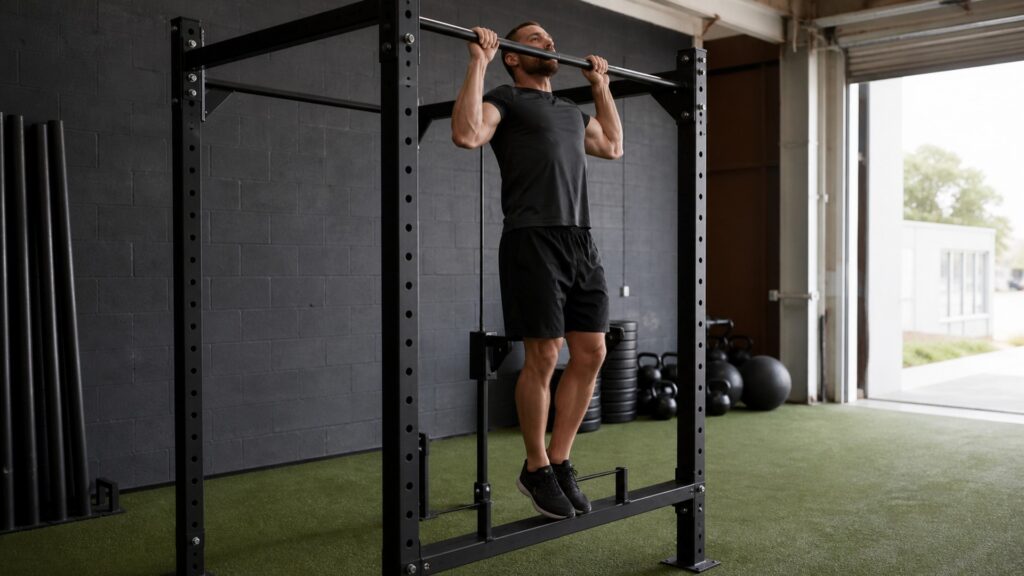
Why Bodyweight Training Equipment Training Function Matters

Training function matters in bodyweight training equipment because the tool has to make body-resistance work easier to scale, repeat, and control. A pull-up bar, suspension strap, ring set, dip station, slider, ab wheel, or push-up handle is useful only when it improves the exercise, not just when it adds hardware.

The best bodyweight tools clarify progression. They help the user adjust angle, support, range of motion, grip, stability, or assistance so the workout fits the current strength level and can progress without guesswork.

By: Review Streets Research Lab
Updated: October 2, 2026
Explainer · 8-12 min read
bodyweight training equipment training function explainer hero image for Review Streets
What You'll Learn

How Training Function Changes Bodyweight Gear

A practical look at why support, leverage, stability, and progression matter more than the tool name.

  • Why bodyweight tools need a clear training job
  • How leverage and support change exercise difficulty
  • Where stability and grip affect control
  • Why progression needs smaller steps than all-or-nothing variations
  • How setup safety affects training quality
  • What to check before choosing bodyweight equipment

Tip: Choose the tool that gives the next useful progression, not the one that makes the exercise look hardest.

Definitions

Key Concepts Behind Bodyweight Equipment Training Function

These concepts explain how bodyweight tools support usable training instead of random difficulty.

Training Function

Training function is the job the equipment performs in making the exercise more useful, scalable, or repeatable.

  • Example: suspension straps making rows adjustable by body angle
  • Check: name the training problem the tool solves
  • Limit: a tool can be impressive without being useful

Leverage Scaling

Leverage scaling changes difficulty by adjusting body angle, limb position, or support height.

  • Example: raising the hands for easier push-ups
  • Check: look for small, repeatable difficulty steps
  • Limit: large jumps can stall progress

Support Quality

Support quality is how securely and comfortably the equipment holds the body during the movement.

  • Example: stable parallettes during push-up variations
  • Check: test grip, wobble, and joint position
  • Limit: poor support can change the exercise in the wrong way

Stability Demand

Stability demand is how much control the user needs to keep the body aligned.

  • Example: rings requiring more shoulder control than a fixed bar
  • Check: match instability to skill level
  • Limit: too much instability can reduce useful strength work

Range Control

Range control is the ability to use a movement depth the user can own safely.

  • Example: push-up handles increasing range only when shoulders tolerate it
  • Check: use range that stays smooth and controlled
  • Limit: more range is not automatically better

Progression Path

A progression path is the sequence of harder or easier versions the equipment supports.

  • Example: incline row, lower-angle row, feet-elevated row
  • Check: confirm there is a clear next step
  • Limit: some tools offer variety without progression

Tip: Strong training function makes bodyweight resistance adjustable instead of forcing one hard version.

Purpose

The Tool Should Solve A Specific Training Problem

Bodyweight equipment should make an exercise easier to set up, scale, repeat, or control. If it only adds novelty, its training function is weak.

  • Use bars for pulling and hanging work.
  • Use handles or parallettes for pressing support.
  • Use straps or rings for adjustable angles.

The tool earns its place when it improves the exercise decision.

Progression

Useful Gear Creates Manageable Steps

Many bodyweight exercises jump quickly from too easy to too hard. Good equipment creates smaller steps so users can progress without abandoning form.

  • Adjust body angle before chasing harder variations.
  • Track range, reps, tempo, and support height.
  • Keep the next version close enough to repeat.

Progression is the main reason bodyweight tools become more than accessories.

Control

Stability Should Match The User

Unstable tools can build control, but they can also make the target movement harder to train. A fixed bar may be better than rings when the user first needs strength.

  • Start with stable supports when learning.
  • Add instability after alignment is consistent.
  • Do not confuse shaking with useful work.

The right stability level makes the exercise clearer, not messier.

Setup

Mounting And Grip Affect The Workout

Training function depends on setup. A tool that slips, shifts, pinches, or mounts poorly can turn a strong movement into a weak or unsafe one.

  • Check attachment points and load ratings.
  • Confirm grip comfort and hand position.
  • Leave enough clearance for the full movement.

Reliable setup is part of the training value.

Fit

The Best Choice Depends On The Routine

A pull-up bar is not better than suspension straps in every case. The right choice depends on whether the routine needs pulling strength, pressing support, scalable rows, core control, mobility, or compact setup.

  • Match the tool to repeated exercises.
  • Avoid buying a hard variation before the base is ready.
  • Choose equipment that fits the space and goal.

Training function is practical: it should make the routine easier to follow and progress.

Quick Reality Check

Where Training Function Helps And Where It Falls Short

Bodyweight equipment is strongest when it makes progression and control easier.

Where It Helps

It turns bodyweight exercises into scalable movements.

It can improve support, range, grip, stability, and repeatability.

Where It Falls Short

It cannot replace every external-load or machine-based progression.

It can add risk when setup, mounting, or skill level is ignored.

Common Myths

Misconceptions About Bodyweight Equipment Training Function

Useful bodyweight gear is not defined by difficulty alone.

Harder equipment is always better

Harder is useful only when the user can control the movement and recover from it.

Simple tools do not need progression planning

Even simple tools need clear steps for angle, range, reps, and tempo.

Instability always improves training

Instability helps some goals, but stable support is often better for building base strength.

Any pull-up bar or strap setup will work

Mounting, grip, clearance, and load rating affect whether the tool is usable.

Tip: The best tool is the one that makes the target movement trainable today and progressable later.

FAQ

Frequently Asked Questions About Bodyweight Equipment Training Function

Short answers about progression, support, and bodyweight tool choice.

What training function matters most?

The most important function is scalable progression: making the movement easier or harder in clear steps.

Are unstable tools better?

Not always. Unstable tools are useful after the user has enough control. Fixed supports may be better for basic strength.

How do I know if a tool fits my routine?

List the exercises you repeat and check whether the tool improves setup, support, range, grip, or progression.

Can bodyweight equipment replace weights?

It can replace some needs, but external load may still be better for precise strength progression.

What is the practical takeaway?

Choose bodyweight equipment for the training function it provides, not for novelty or maximum difficulty.

Bottom Line

Bodyweight training equipment training function matters because the tool should make body-resistance work more scalable and controlled.

The strongest tools support clear progression, reliable setup, useful range, appropriate stability, and repeatable exercise positions.

Next Steps

Go Deeper or Compare Your Options

Use these Review Streets paths to compare related categories and practical next decisions.