Why Bodyweight Training Equipment Safety Factors Matters

Safety factors matter in bodyweight training equipment because the user's body is the load and the support system has to hold that load reliably. A pull-up bar, suspension strap, dip station, ring mount, push-up handle, slider, or ab wheel can fail the workout if it slips, shifts, tips, pinches, or overloads a joint.

Good safety evaluation looks at more than the exercise. It includes load rating, mounting, surface grip, clearance, hand position, range of motion, skill level, fatigue, and whether the user can stop the movement under control.

By: Review Streets Research Lab
Updated: October 2, 2026
Explainer · 8-12 min read
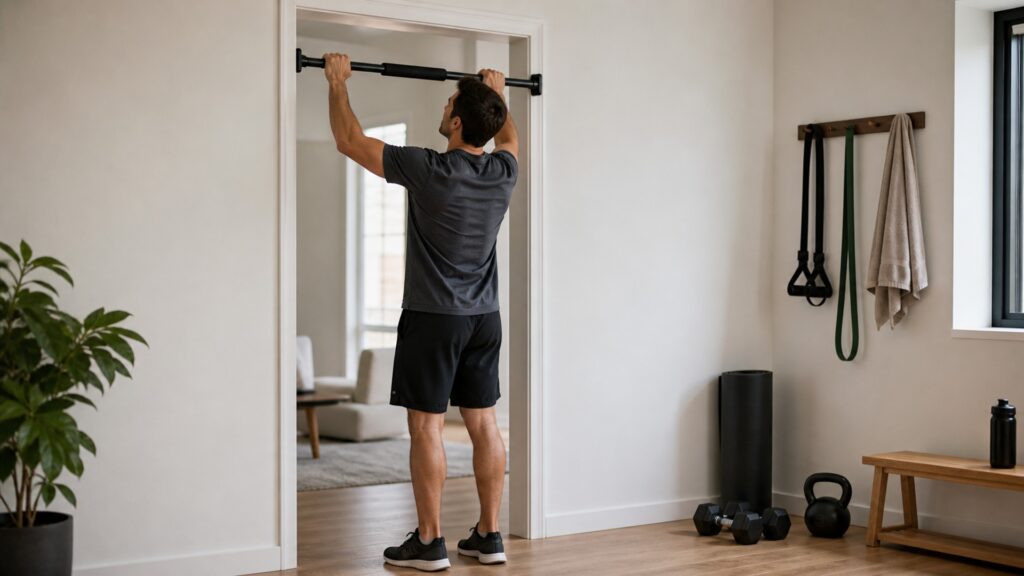
bodyweight training equipment safety factors explainer hero image for Review Streets
What You'll Learn

How To Evaluate Bodyweight Equipment Safety

A practical look at setup, support, load, clearance, surfaces, and movement control before training.

  • Why load rating and mounting matter for bodyweight tools
  • How grip, surface, and clearance affect safety
  • Where range of motion and joint position can create risk
  • Why unstable tools need more control and progression
  • How fatigue changes bodyweight exercise safety
  • What to check before using bars, straps, rings, stations, wheels, or sliders

Tip: Inspect the support before the set, then scale the movement to the control the user has today.

Definitions

Key Safety Factors In Bodyweight Training Equipment

These concepts explain the safety checks that matter before loading bodyweight tools.

Load Rating

Load rating is the amount of weight the equipment or mount is designed to support.

  • Example: checking a pull-up bar's rated capacity before hanging
  • Check: compare rating to user weight and movement forces
  • Limit: ratings assume correct installation and use

Mounting Security

Mounting security is how reliably the tool attaches to a doorframe, wall, ceiling, rack, floor, or station.

  • Example: verifying a suspension anchor before rows
  • Check: inspect attachment points before training
  • Limit: weak mounting can fail even with a good tool

Surface Grip

Surface grip is how well the tool and floor resist slipping during movement.

  • Example: using sliders only on a compatible surface
  • Check: test movement slowly before full reps
  • Limit: sweat, dust, or flooring can change grip

Clearance

Clearance is the free space around the body and equipment during the full movement.

  • Example: leaving room for legs during hanging knee raises
  • Check: measure overhead, side, and forward space
  • Limit: compact tools can still need movement room

Joint Position

Joint position is how wrists, elbows, shoulders, hips, knees, and spine align under load.

  • Example: using handles to keep wrists comfortable during push-ups
  • Check: avoid positions that cause sharp pain or collapse
  • Limit: equipment cannot fix every mobility limit

Controlled Exit

Controlled exit is the user's ability to stop or leave the exercise safely when form breaks down.

  • Example: stepping out of a suspension row instead of falling backward
  • Check: know how to end the movement before starting
  • Limit: fatigue can reduce exit control quickly

Tip: The safest bodyweight tool is the one that stays secure while the user can control the full movement.

Support

The Equipment Has To Hold More Than Static Weight

Bodyweight tools often experience more force than a still body hanging from them. Kipping, swinging, fast reps, and awkward angles can all increase demand on the tool and mount.

  • Check the load rating and installation method.
  • Avoid dynamic movement unless the tool is built for it.
  • Inspect wear, cracks, straps, screws, and frames.

A support failure can turn a simple exercise into an injury risk.

Setup

Mounting And Flooring Are Safety Features

Doorframes, ceilings, racks, floors, and walls become part of the equipment system. If they are not suitable, the exercise is not suitable either.

  • Use only approved anchor points.
  • Keep tools on surfaces with predictable grip.
  • Avoid crowded spaces around swinging or rolling tools.

Safe setup starts before the first repetition.

Position

Joint Alignment Matters Under Bodyweight Load

Bodyweight exercises can place large demands on wrists, shoulders, elbows, spine, hips, and knees. Equipment should improve alignment, not force uncomfortable positions.

  • Use handles when floor push-ups bother wrists.
  • Scale range before forcing depth.
  • Choose stable supports when joints feel uncertain.

Comfort and control are useful safety signals.

Skill

Instability Should Match The User's Control

Rings, straps, sliders, and wheels can be excellent tools, but they also increase the need for control. Too much instability can make the target exercise less safe.

  • Start with easier angles and shorter ranges.
  • Move slowly before adding speed or volume.
  • Stop when alignment or exit control fails.

Progress instability only when the user owns the simpler version.

Fatigue

Safety Changes As The Set Goes On

A tool that feels safe at the start can become risky when grip, bracing, or shoulder control fades. Bodyweight training still needs sensible volume and rest.

  • Leave reps in reserve on risky movements.
  • Avoid max-effort work on questionable setups.
  • Use clear stopping rules for form breakdown.

The safest plan accounts for fatigue before it appears.

Quick Reality Check

Where Safety Checks Help And Where They Have Limits

Safety factors reduce avoidable risk, but they do not make every movement appropriate for every user.

Where They Help

They catch weak mounting, poor clearance, slippery surfaces, and bad progression choices.

They help match the tool to the user's strength, control, and space.

Where They Fall Short

They cannot replace qualified guidance for pain, injury, or complex movement issues.

They cannot make an unsuitable anchor point or overloaded tool safe.

Common Myths

Misconceptions About Bodyweight Equipment Safety

Bodyweight tools can look simple, but setup and control still matter.

Bodyweight training is automatically safe

Bodyweight work can still overload joints, mounts, grip, or control when poorly matched.

If the tool fits the room, it is safe

Clearance matters, but so do load rating, mounting, surface grip, and movement control.

Unstable tools are safe because they use less weight

Instability can increase control demands and make safe exits harder.

A high load rating solves everything

Ratings depend on correct setup, suitable mounting, and appropriate use.

Tip: Treat setup and control as part of the exercise, not as separate details.

FAQ

Frequently Asked Questions About Bodyweight Equipment Safety

Short answers about mounting, grip, range, and safe progression.

What safety factor should I check first?

Check whether the tool and mounting surface are rated, secure, and appropriate for the movement.

Are doorway pull-up bars safe?

They can be safe when installed and used as intended, but the doorway, fit, load rating, and movement style matter.

Are rings and suspension straps riskier?

They are not automatically risky, but they require secure anchors and more body control than many fixed tools.

How do I know when to stop a set?

Stop when grip, alignment, bracing, or controlled exit starts to fail.

What is the practical takeaway?

Bodyweight equipment safety depends on secure support, suitable surfaces, enough clearance, good joint position, and controlled progression.

Bottom Line

Bodyweight training equipment safety factors matter because the tool, mount, surface, and user all share the load.

Check support, clearance, grip, joint position, progression, and fatigue before treating any bodyweight tool as ready for hard training.

Next Steps

Go Deeper or Compare Your Options

Use these Review Streets paths to compare related categories and practical next decisions.