
Too Tight
A fit that feels beyond the product's intended firm contact.
- It can create immediate concern.
- People experience tightness differently.
- This is not a diagnosis.
Compression apparel safety factors matter because a pressure-focused garment sits tightly against skin and can be mistaken for medical-grade compression.
The safer evaluation looks at sizing, edge pressure, numbness, tingling, skin irritation, heat buildup, seams, and product claims without turning the article into personal medical advice.
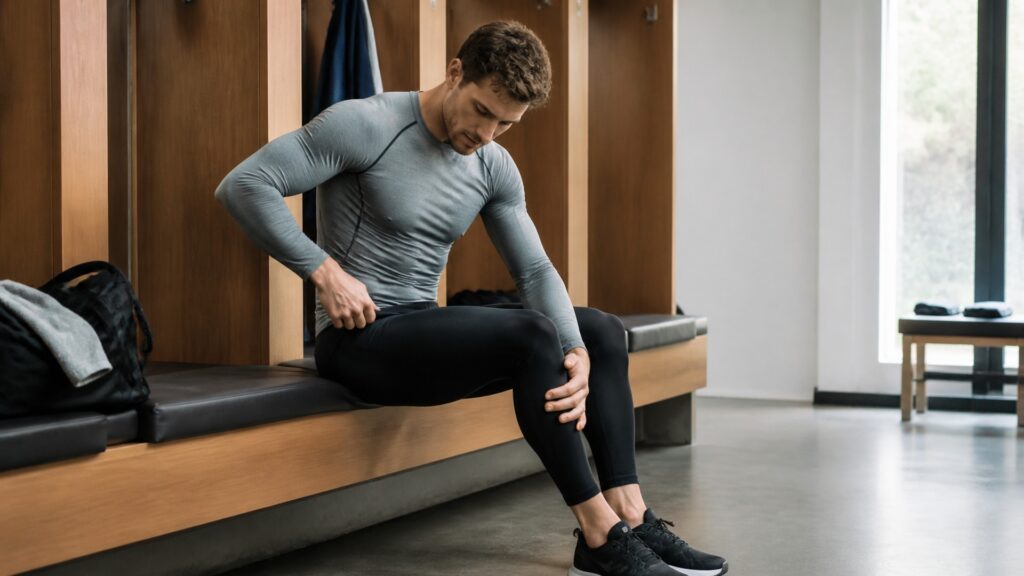
This article explains safety-relevant checks for athletic compression apparel while keeping medical decisions outside the product explainer.
Tip: Treat unusual sensations, skin reactions, or medical questions as reasons to pause rather than push through a garment.
These definitions connect the main idea to the variables, limits, and practical signals readers need to compare options.
A fit that feels beyond the product's intended firm contact.
Loss or reduction of normal sensation.
A pins-and-needles sensation that may signal poor fit or another issue.
Redness, rubbing, itching, or surface discomfort from garment contact.
Compression prescribed or specified for health-related use.
The seller's rule for exchanging or returning a garment.
Tip: These terms identify practical warning areas without offering diagnosis or treatment.
Compression apparel is meant to fit firmly, but unusual pain, numbness, tingling, or sharp edge pressure should not be dismissed as ordinary tightness.
Pressure fit needs caution.
Because compression garments sit close, rough seams, retained sweat, fabric sensitivity, or rubbing edges can become more noticeable than on loose apparel.
Skin contact belongs in safety review.
Compression shorts, tights, sleeves, and tops can affect warmth and sweat feel, especially when layered or used in hot indoor spaces.
Heat is a product-use factor.
A garment sold for workouts should not be treated as a substitute for prescribed compression or health-related guidance.
Category confusion can be risky.
Since compression fit is precise, size charts, measurements, try-on rules, exchange windows, and customer support can matter more than they do for loose clothing.
Buying process affects safe use.
Safety factors explain why compression apparel needs more caution than ordinary loose clothing.
It names pressure, skin, heat, labeling, and sizing risks.
It separates practical warning signs from medical decisions.
It does not diagnose symptoms, prescribe compression, or guarantee safety.
It does not replace clinician guidance for medical or circulation concerns.
Common shortcuts and misunderstandings can make the topic seem simpler than it is.
Pain, numbness, tingling, or sharp pressure should not be accepted as proof of function.
Medical compression is a separate category with different requirements.
Fabric, seams, sweat, and sensitivity can make contact issues real.
Smaller sizing can create poor pressure distribution or unusable fit.
Tip: Treat strong claims as starting points for comparison, not final answers.
Concise answers to common questions readers may have after the main explanation.
The garment applies firm pressure and close skin contact, so fit problems can matter quickly.
Pain, numbness, tingling, unusual swelling, or skin reactions should not be ignored.
No. Medical compression has separate use cases and should not be substituted casually.
Tight layers can change warmth and sweat feel, especially when layered or used indoors.
No. Personal medical suitability needs qualified guidance.
Compression apparel safety factors matter because pressure fit, skin contact, heat, sizing, and medical-label confusion can change the garment from useful to inappropriate.
A cautious buyer treats warning signs and health questions seriously instead of relying on marketing language.
Use these Review Streets paths to connect the explainer to related categories, comparisons, and next decisions.
Review the construction details behind pressure zones, cuffs, seams, and sizing.
Use this when fit concerns appear during bends, strides, or repeated motion.
Browse the category after understanding pressure and sizing cautions.
Choose a retailer
Prices checked regularly. We may earn a commission at no cost to you.