
Workout Kit
The set of garments used for a specific session or venue.
- It frames how compression fits with other pieces.
- Kits vary by activity.
- It is not a training program.
Compression apparel workout role matters because the garment may be the main clothing item, an under-layer, a sleeve, a warmup piece, or a narrow accessory in a larger kit.
Without naming that role, the buyer can overvalue pressure while missing simpler questions such as pairing, wash rotation, venue rules, and whether the item is actually needed for the session.
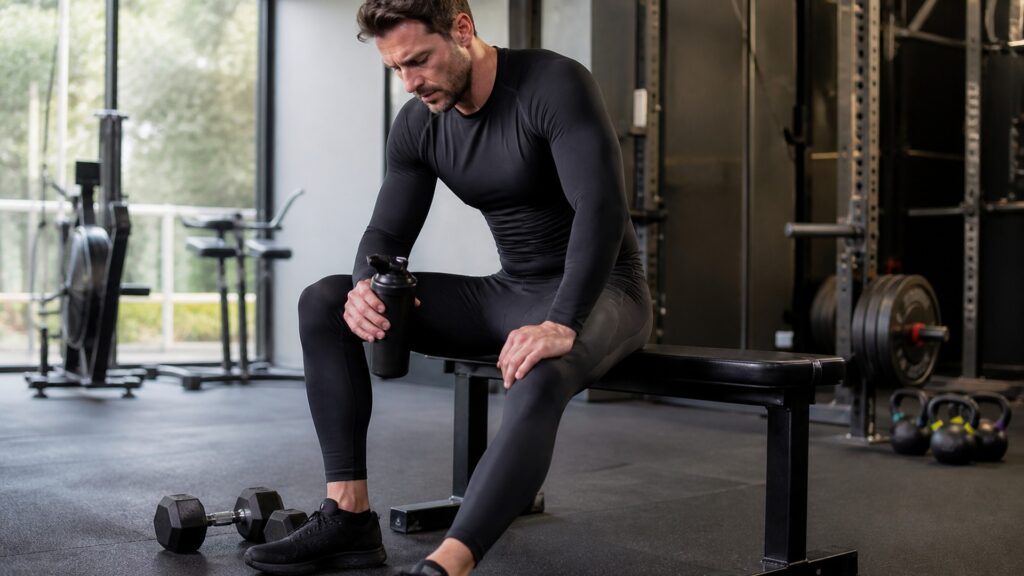
This article explains compression apparel by where it belongs in a workout outfit.
Tip: Before buying, decide whether the compression item is a main garment, under-layer, sleeve, or occasional add-on.
These definitions connect the main idea to the variables, limits, and practical signals readers need to compare options.
The set of garments used for a specific session or venue.
Compression shorts worn beneath looser shorts.
A close pressure-focused upper-body garment.
Clothing used before or around the main session.
The number of usable garments needed between laundering.
Rules or norms for what can be worn in a gym, studio, team, or event.
Tip: These terms focus on wardrobe role rather than promised physical results.
The item should be understood as a sleeve, tight, short, top, under-layer, or warmup piece before its features are compared.
Placement gives the item purpose.
Many compression choices are not standalone replacements because the garment may need socks, shorts, shirts, shoes, or outer layers around it.
Pairing is part of the role.
Gyms, studios, teams, events, and workplaces can have dress expectations that affect whether compression apparel is practical.
Context shapes usefulness.
A garment intended for repeated weekly sessions has to survive laundering and be available when needed, which can make fabric recovery and quantity relevant.
Role includes maintenance rhythm.
If the workout kit already handles coverage, movement, temperature, and venue needs, compression apparel may add complexity without solving a real problem.
No item needs to justify itself with hype.
Workout role explains where compression apparel belongs in an outfit.
It covers pairing, venue fit, laundering, and main-versus-accessory use.
It keeps the garment connected to practical session needs.
It does not prove improved training, recovery, or safety.
It does not say every workout kit needs compression.
Common shortcuts and misunderstandings can make the topic seem simpler than it is.
Compression apparel should have a defined role, not just a serious look.
Sleeves cover narrow areas and still depend on the rest of the outfit.
Heat, waistband feel, and outer-short pairing can matter.
Role describes where the garment belongs, not what it guarantees.
Tip: Treat strong claims as starting points for comparison, not final answers.
Concise answers to common questions readers may have after the main explanation.
It shows whether the garment is a main piece, under-layer, sleeve, or occasional add-on.
Yes, but layering changes heat, pressure feel, and outfit fit.
No. They cover the calf and leave foot-and-shoe needs separate.
Frequent use means the garment must be clean, dry, and still fitting as intended.
No. It should solve a specific apparel role.
Compression apparel workout role matters because the item has to earn a clear place in the kit.
The useful question is where the pressure-focused garment belongs, what it pairs with, and whether that role is actually needed.
Use these Review Streets paths to connect the explainer to related categories, comparisons, and next decisions.
Use this when the kit role needs to be connected to session function.
Read this when the role question is calf or lower-leg coverage versus foot apparel.
Browse the category once the item's kit role is clear.
Choose a retailer
Prices checked regularly. We may earn a commission at no cost to you.