
Ride-Duration Clothing
Apparel chosen because the route length makes contact, storage, or layer changes more noticeable.
- It supports repeated use.
- It cannot promise endurance gains.
- Fit still matters.
Cycling apparel training function matters when clothing has to support repeated rides, longer routes, changing weather, reachable storage, and contact points.
Bib shorts, jerseys, base layers, shells, gloves, socks, and tights can make a ride easier to organize, but they do not create the training plan or guarantee adaptation.
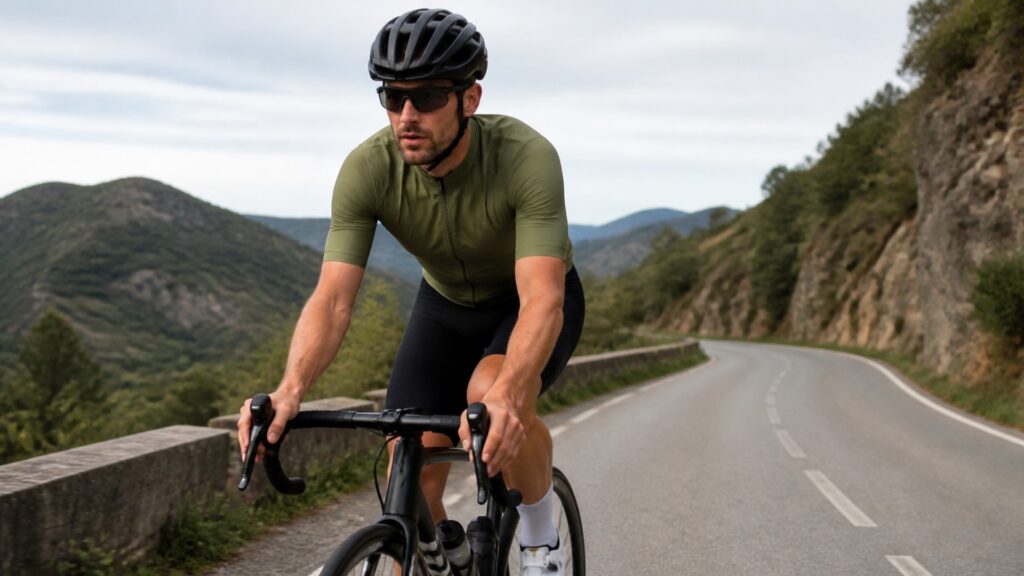
This explains clothing functions that support repeated cycling without promising results.
Tip: Treat apparel function as ride support: contact, storage, layering, and repeatability.
These definitions connect the main idea to the variables, limits, and practical signals readers need to compare options.
Apparel chosen because the route length makes contact, storage, or layer changes more noticeable.
The clothing-side handling of saddle, hand, foot, and skin interfaces.
Pockets or garment spaces placed where small items can be accessed during a ride.
The choice to add, remove, vent, or pack apparel during a ride.
The way apparel behaves across recurring sessions rather than a single try-on.
The span of wind, rain, cold, sun, or heat a clothing setup is meant to cover.
Tip: Use them to keep ride duration, contact, storage, layers, and repeatability in separate homes.
Cycling apparel has training function when it helps a rider repeat, extend, or organize rides through worn support.
Function supports the ride without promising adaptation.
Contact areas that seem minor at first can become more noticeable when rides repeat or extend.
Training function includes repeatable contact conditions.
Rear pockets, zip vents, packable shells, and storage layout can help a rider carry small items or adjust layers during a planned ride.
Apparel can organize a ride without being a device.
Base layers, thermal tights, rain shells, and vests help match clothing to temperature, wind, or rain.
Weather support is a clothing function.
Clothing can support participation, but it cannot guarantee endurance gains, calorie burn, recovery, speed, or injury prevention.
The explanation stays with support, not results.
Training-function analysis explains how apparel supports repeated rides and changing conditions.
Training-function analysis explains how apparel supports repeated rides and changing conditions.
It separates contact, storage, and layering from training promises.
It does not guarantee adaptation, calorie burn, recovery, or injury prevention.
It does not replace coaching or medical guidance.
Common shortcuts and misunderstandings can make the topic seem simpler than it is.
It supports the ride; training response depends on much more.
Function depends on fit, conditions, and ride needs.
Bike fit, saddle, duration, and rider differences remain relevant.
For some routes, accessible storage can be part of ride structure.
Tip: Treat strong claims as starting points for comparison, not final answers.
Concise answers to common questions readers may have after the main explanation.
It is the way clothing supports repeated or planned rides through fit, contact, pockets, and layers.
It may support ride conditions, but performance claims need separate evidence.
They can keep food, tools, or layers reachable during planned rides.
It can be, when weather range is part of the ride plan.
No claim like that should be assumed from apparel function alone.
Cycling apparel training function matters when clothing helps repeated rides work through fit, contact, storage, and weather management.
It supports the session but does not promise the result.
Use these Review Streets paths to connect the explainer to related categories, comparisons, and next decisions.
Use this for the clothing mechanisms behind training support.
Read this to compare apparel support with accessory data and storage support.
Browse apparel after identifying the ride-support function.
Choose a retailer
Prices checked regularly. We may earn a commission at no cost to you.