
Commute Apparel Role
Clothing chosen for repeated transport rides.
- It may emphasize visibility details, pockets, rain coverage, or walkability.
- Route and weather matter.
- It is not the same as race fit.
Cycling apparel workout role matters because clothing that works for a rainy commute may not be the same clothing that works for an endurance ride, gravel route, indoor trainer session, race, or casual path ride.
The useful question is not whether apparel is generally good. It is whether the garment's pocket layout, pad, fabric, layer range, glove palm, shoe cover, reflective panel, or fit intent matches the ride role.
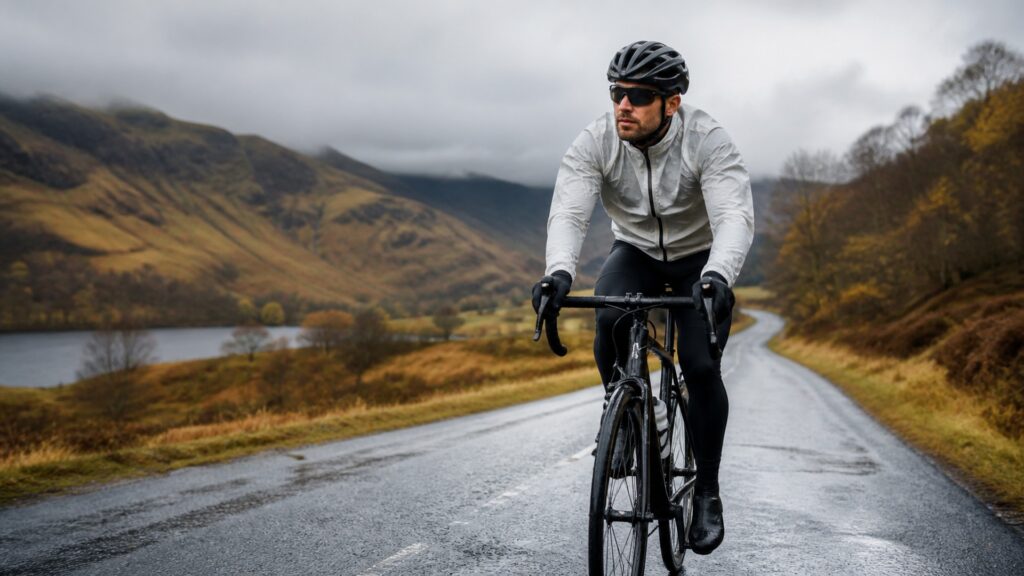
This explains why apparel should be matched to the exact ride setting and purpose.
Tip: Name the ride role before judging the garment: commute, endurance, gravel, indoor, wet, cold, race, or casual.
These definitions connect the main idea to the variables, limits, and practical signals readers need to compare options.
Clothing chosen for repeated transport rides.
Shorts or bibs chosen for longer repeated rides.
Apparel chosen for mixed surfaces, storage, weather shifts, or dust.
Clothing used for stationary trainer sessions.
A garment's job in wind, rain, cold, sun, or heat.
The posture and snugness a garment is designed around.
Tip: Use these terms to match clothing features to commute, endurance, gravel, indoor, wet, cold, race, or casual roles.
Workout role turns apparel from a generic clothing list into a ride-specific choice.
The ride role chooses the apparel question.
Rain, cold, heat, wind, and ride length change whether shells, tights, base layers, gloves, or vents matter most.
Conditions make role analysis concrete.
A jersey pocket, vest pocket, cargo bib pocket, or jacket pocket should match what the role actually needs to carry.
Storage is role-specific, not decoration.
A tight race cut, relaxed commuter cut, and casual trail fit each trade posture, airflow, pockets, and off-bike comfort differently.
No fit intent should become universal.
A garment can fit a ride role without promising speed, endurance, comfort, safety, or recovery.
Role explains use, not outcomes.
Workout-role analysis explains which clothing details matter for a specific ride setting.
It separates commute, endurance, gravel, indoor, wet, cold, race, and casual apparel needs.
It helps readers avoid judging every garment by one role.
It does not guarantee comfort, safety, speed, or recovery.
It does not replace fit testing or qualified guidance.
Common shortcuts and misunderstandings can make the topic seem simpler than it is.
Race fit serves one role and may be wrong for commuting or casual rides.
Rain, wind, cold, and breathability demands vary.
Trainer sessions often change ventilation and visibility priorities.
Pocket layout should match what the ride actually carries.
Tip: Treat strong claims as starting points for comparison, not final answers.
Concise answers to common questions readers may have after the main explanation.
It is the ride context a garment is meant to support, such as commuting, endurance, gravel, indoor riding, or cold weather.
It changes which fabric, fit, pocket, pad, or layer features are useful.
No. Race fit is one design intent, not a universal answer.
No. Apparel can support conditions, but comfort depends on fit and context.
Often yes, because heat, sweat, pockets, and visibility needs can differ indoors.
Cycling apparel workout role matters because clothing should match the ride setting instead of a generic cycling ideal.
Commute, endurance, gravel, indoor, wet, cold, race, and casual roles all stress apparel differently.
Use these Review Streets paths to connect the explainer to related categories, comparisons, and next decisions.
Use this for the apparel construction behind role choices.
Read this for repeated-ride support from apparel.
Browse apparel after naming the ride role.
Choose a retailer
Prices checked regularly. We may earn a commission at no cost to you.