
Why Dumbbells Workout Role Matters

Workout role matters with dumbbells because the same pair can serve very different purposes. Dumbbells can be a main strength tool, an accessory tool, a conditioning tool, a balance challenge, or a compact substitute when larger equipment is not available.

The role changes how the user should choose weight, reps, tempo, rest, and exercise selection. A dumbbell used for heavy presses should not be judged the same way as a dumbbell used for warmups, rehab-style accessories, or a fast circuit.

By: Review Streets Research Lab
Updated: October 1, 2026
Explainer · 8-12 min read
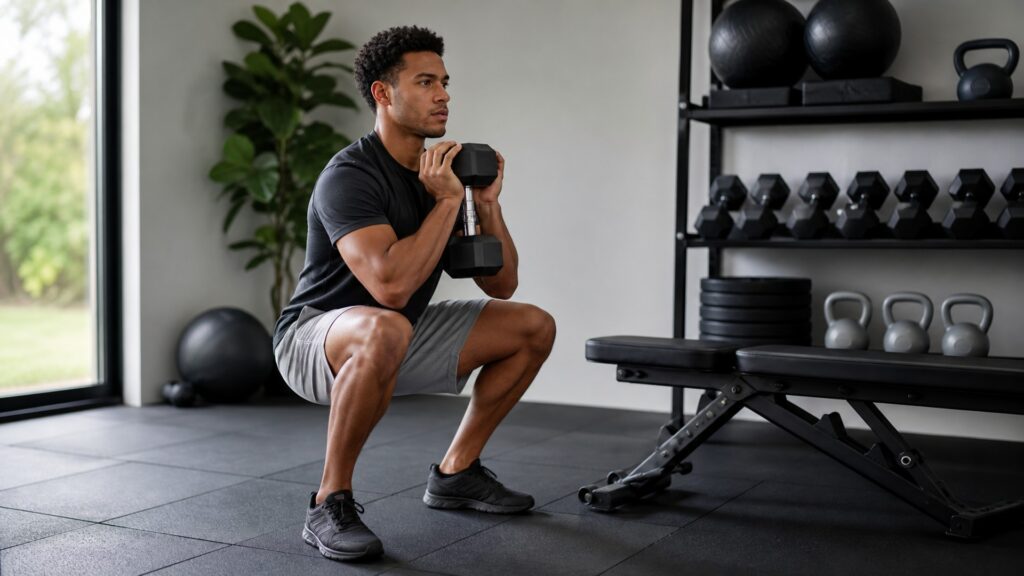
dumbbells workout role explainer hero image for Review Streets
What You'll Learn

How Dumbbells Fit Into Different Workout Roles

A practical guide to using dumbbells for main lifts, accessories, conditioning, unilateral work, and compact home training.

  • Why dumbbells can be primary equipment or supporting equipment
  • How role changes load, reps, rest, and movement choice
  • Where dumbbells help with unilateral control and accessories
  • Why conditioning circuits need different expectations
  • How to decide whether dumbbells are enough for the goal

Tip: Name the job first. A dumbbell can be the right tool and still be used the wrong way for the session.

Definitions

Key Concepts Behind Dumbbell Workout Roles

These concepts explain how dumbbells can support different kinds of training.

Primary Strength Tool

A primary strength tool is the main equipment used for the workout's central lifts.

  • Example: building a session around dumbbell presses and rows
  • Check: make sure available weights are heavy enough
  • Limit: dumbbells may top out before some strength goals

Accessory Work

Accessory work supports the main goal with smaller or more targeted exercises.

  • Example: using lateral raises after pressing
  • Check: choose loads that keep the target muscle involved
  • Limit: accessories should not replace the main work by accident

Unilateral Training

Unilateral training works one side at a time or makes each side control its own load.

  • Example: single-arm rows or split squats
  • Check: watch side-to-side control
  • Limit: it can take more time than bilateral work

Conditioning Circuit

A conditioning circuit uses dumbbells to raise effort across repeated movements with shorter rest.

  • Example: dumbbell thrusters, carries, and rows in a timed circuit
  • Check: keep technique from collapsing under fatigue
  • Limit: conditioning loads may be too light for strength progression

Compact Substitute

A compact substitute uses dumbbells when larger machines or bars are not available.

  • Example: using dumbbell Romanian deadlifts in a small home gym
  • Check: confirm the substitute trains the intended pattern
  • Limit: some goals need heavier or more specific equipment

Progression Role

Progression role is how the dumbbell helps the user increase difficulty over time.

  • Example: adding reps before moving to the next pair
  • Check: choose a progression method that matches available weights
  • Limit: large jumps can force changes too soon

Tip: Dumbbells are most useful when their role in the workout is clear before the set begins.

Main Work

Dumbbells Can Anchor A Strength Session

For many home and general fitness routines, dumbbells can be the main equipment. Presses, rows, squats, lunges, hinges, and carries can cover a large share of practical strength work.

  • Check whether the available weights are heavy enough.
  • Use stable exercises for primary sets.
  • Track reps, load, and range consistently.

Dumbbells can be primary equipment when the load range fits the goal.

Accessory Role

They Also Work Well For Targeted Assistance

Dumbbells are strong accessory tools because they are easy to angle, adjust, and use one side at a time. They fit raises, curls, triceps work, rear-delt work, rows, and controlled single-leg variations.

  • Use lighter loads for precise work.
  • Keep the target muscle involved.
  • Avoid turning accessories into sloppy full-body lifts.

Accessory work is where dumbbells often shine.

Unilateral Role

Separate Loads Help Train Side-To-Side Control

Because each hand can hold its own dumbbell, the user can train one side at a time or compare both sides more honestly. That matters for balance, coordination, and rebuilding control.

  • Use one-arm and one-leg variations thoughtfully.
  • Start with the weaker or less controlled side.
  • Match reps and range before chasing load.

Unilateral work gives dumbbells a role that shared-load tools cannot fully copy.

Conditioning

Dumbbells Can Add Load To Conditioning Work

Dumbbells can make circuits, complexes, carries, and intervals more demanding. The load should stay light enough that technique remains clear as fatigue rises.

  • Choose movements that stay safe when tired.
  • Use enough rest to preserve control.
  • Do not confuse breathlessness with strength progress.

Conditioning is a different role than heavy strength training.

Home Gym Fit

Their Compact Role Makes Them Practical

Dumbbells are popular because they can support many exercises without a large footprint. Adjustable dumbbells or a small set can cover a useful range for users with limited space.

  • Match the set to the exercises used most often.
  • Plan storage before buying many pairs.
  • Add other tools only when dumbbells stop solving the job.

Compact usefulness is one of the main reasons dumbbells remain valuable.

Quick Reality Check

Where Dumbbells Fit Best And Where They Need Help

Dumbbells can fill several workout roles, but they are not perfect for every goal.

Where They Fit Best

Home strength sessions, accessories, unilateral work, and compact training plans.

Programs that value exercise variety and independent control.

Where They Need Help

Very heavy lower-body strength work may need barbells, machines, or racks.

Swing-based power or cable-style tension may need other tools.

Common Myths

Misconceptions About The Role Of Dumbbells

Versatility does not mean every use is equally strong.

Dumbbells are only accessory equipment

They can be primary equipment when the load range and exercises fit the goal.

One pair is enough forever

A single pair may work at first, but progression often requires more load options.

Conditioning with dumbbells equals strength training

Circuits can improve work capacity but may not provide enough load for strength progression.

Dumbbells replace every gym tool

They cover many needs, but some goals still benefit from barbells, machines, cables, or kettlebells.

Tip: The best role for dumbbells is the one that matches the user's goal, load needs, and space.

FAQ

Frequently Asked Questions About Dumbbell Workout Roles

Short answers for deciding how dumbbells should fit a routine.

Can dumbbells be the main workout equipment?

Yes, if the available weights and exercises fit the user's strength level and goals.

What are dumbbells best at?

They are especially useful for controlled strength work, accessories, unilateral training, and compact home workouts.

Are dumbbells good for conditioning?

They can be, but conditioning loads and rest periods should be chosen so technique stays safe.

When are dumbbells not enough?

They may not be enough for very heavy lower-body strength, cable-style tension, or specialized power work.

What is the practical takeaway?

Decide whether dumbbells are the main tool, support tool, or conditioning tool before choosing exercises and load.

Bottom Line

Dumbbells workout role matters because the same equipment can serve different training jobs.

They are most effective when load, reps, rest, and exercise choice match the role they are supposed to play.

Next Steps

Go Deeper or Compare Your Options

Use these Review Streets paths to compare related categories and practical next decisions.