Why Full Size Pickup Trucks Operating Function Matters

Operating function matters in a full-size pickup because its usefulness depends on switching between passenger transport, open-bed cargo, and towing without exceeding its limits or making ordinary travel unnecessarily difficult. A roomy cab, convenient bed, and strong powertrain help with different tasks, but they must work together in the configuration you actually own.

For many owners, the important test is a mixed week: commuting, parking, collecting supplies, carrying family, and occasionally attaching a trailer. The truck should handle that whole pattern. A capability that exists only with passengers or normal equipment left behind may not serve the trip you intend to take.

By: Review Streets Research Lab
Updated: October 5, 2026
Explainer · 8-12 min read
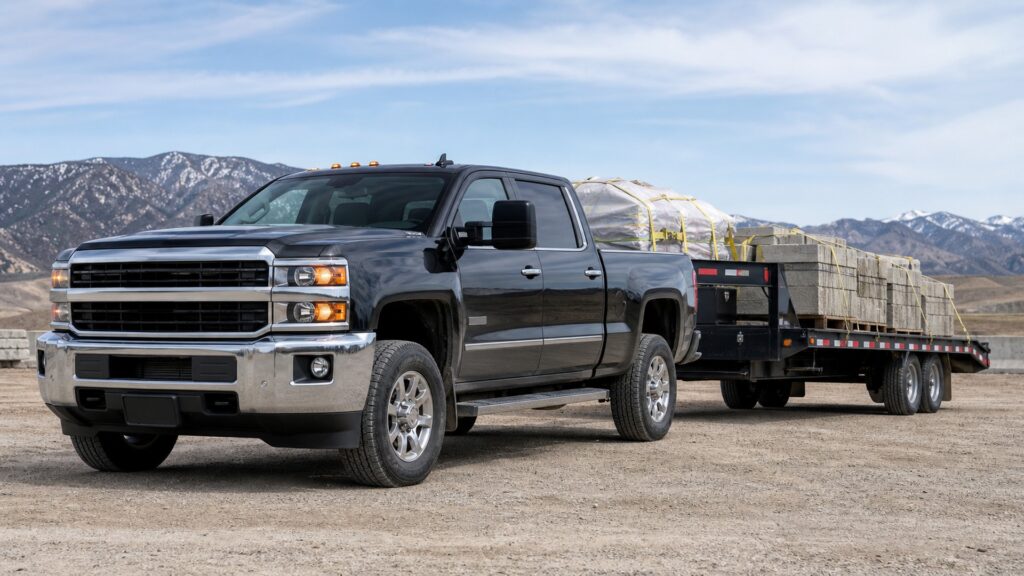
full size pickup trucks explainer hero image for Review Streets
What You'll Learn

Make the Pickup Work Across an Ordinary Week

Evaluate the transitions between people, cargo, and trailers rather than judging one isolated task.

  • Describe the normal mix of passenger and hauling duties
  • Choose cab and bed space around how it will be used
  • Track the capacity consumed by permanent equipment
  • Understand towing controls and their limits
  • Check access and replenishment for daily operation

Tip: Evaluate the truck with the seats, storage, accessories, and load arrangement you expect to keep.

Definitions

Six Questions Behind Everyday Pickup Use

Each concept identifies a different part of practical operation.

Task mix

Task mix is the combination and frequency of jobs the vehicle performs.

  • Example: commuting during the week and towing on occasional weekends
  • Check: list frequent tasks separately from exceptional ones
  • Limit: one impressive demonstration does not represent the whole routine

Cab-and-bed configuration

Cab-and-bed configuration is the selected passenger compartment and cargo-bed arrangement.

  • Example: a crew cab paired with a shorter bed
  • Check: measure both passenger and cargo needs
  • Limit: more space in one area does not guarantee more in the other

Payload budget

A payload budget accounts for the carried weight assigned to people, equipment, cargo, and hitch load.

  • Example: a bed cover and toolbox reducing the allowance for weekend gear
  • Check: use the actual loading label and added weights
  • Limit: unused cargo volume does not equal unused weight capacity

Loading access

Loading access is the ability to place, reach, secure, and remove cargo.

  • Example: reaching tie-downs with a toolbox installed
  • Check: try the real sequence of loading and unloading
  • Limit: a large bed can be awkward if essential points are obstructed

Towing mode

A towing mode adjusts specified vehicle behavior for hauling or towing where fitted.

  • Example: a transmission changing its shift strategy in tow/haul
  • Check: read the manual for the vehicle's implementation
  • Limit: the setting does not increase weight ratings

Turnaround needs

Turnaround needs are the space and time required to prepare the truck for its next use.

  • Example: unloading dirty cargo before a passenger trip and replenishing energy
  • Check: include cleanup, storage, service, and fuel or charging access
  • Limit: the driving time alone is not the whole task

Tip: Count the preparation and cleanup that come with the job, not just the distance driven.

Routine

Start With the Tasks That Happen Most Often

A pickup may be bought for weekend capability yet spend most of its time in traffic and parking lots. Another may move tools every day and carry passengers only occasionally. Describe the real pattern before deciding on cab size, bed arrangement, or powertrain. Keep a separate plan for the heaviest realistic load, because frequency does not excuse exceeding a limit.

  • List normal passenger numbers and carried equipment.
  • Record typical routes and parking constraints.
  • Identify exceptional loads that need another arrangement.

A useful configuration balances frequent convenience with verified capability for the planned loaded trips.

Space

Cab and Bed Choices Shape How the Truck Is Used

The cab provides seating and protected storage; the bed separates bulky or dirty cargo from passengers. Different combinations trade length and space in different ways. Check the exact truck with normal seating positions, storage, and bed equipment rather than comparing only model names or exterior photographs.

  • Test passenger access and secure cabin storage.
  • Measure cargo with the tailgate in its intended position.
  • Leave tie-downs and necessary loading access usable.

A longer bed that complicates daily parking and a shorter bed that forces awkward loads each deserve attention.

Shared Capacity

Every Added Item Changes the Working Setup

A cover, rack, toolbox, hitch, and other additions can make the truck more useful while consuming carrying allowance. Revisit the calculation when equipment or passengers change. If a trailer is attached, its downward hitch load joins the weight the truck already supports. Separate limits for axles and the combination still apply.

  • Keep a list of installed equipment and its weight.
  • Use loaded trailer information.
  • Check the equipped truck rather than relying on a base-model figure.

The relevant capacity is what remains in your normal setup, not what an unequipped truck might carry.

Controls

Learn the Modes That Match the Situation

Tow/haul, four-wheel drive, differential locks, and trailer controls perform different functions and are not fitted to every truck. Use them as specified for the surface, load, and equipment. A setting that helps the truck move or manage shifts does not prove the load is within its limits or that the road offers enough grip to stop normally.

  • Read the instructions before the first demanding trip.
  • Confirm trailer-brake compatibility and prescribed setup.
  • Use cameras as aids while continuing to check clearance.

Knowing which control solves which problem is more useful than selecting every available capability setting.

Daily Practicality

Include the Steps Before and After Driving

Consider loading height, securing equipment, parking with mirrors extended, unloading, cleaning, and storage between trips. Match energy replenishment to the actual powertrain: fuel access matters for combustion models, while electric operation needs a workable charging arrangement. Maintenance and unresolved faults also affect whether the vehicle is ready when needed.

  • Check parking and the approach to the space.
  • Plan secure storage for equipment when removed.
  • Allow time for service and energy replenishment.

A truck serves the routine well when it can complete the job and return to ordinary use without recurring obstacles.

Quick Reality Check

Signs the Truck Fits the Routine

Practical function is visible in repeated use, not only in a specification table.

A Good Working Match

Passengers and normal equipment fit, loads remain within limits, and the vehicle can reach its destinations.

Loading, storage, controls, and replenishment support the way the owner actually uses it.

A Setup to Reconsider

Normal passengers or equipment must be omitted to make the load calculation pass.

Parking, cargo access, or preparation repeatedly makes the intended task impractical.

Common Myths

Misconceptions About Full-Size Operating Function

Convenience and capability need to be checked together.

The biggest number describes the best truck for me.

A rating may not address the passenger space, access, parking, or configuration that your routine needs.

Useful accessories do not count as cargo.

Their weight still uses part of the vehicle's carrying allowance.

Tow/haul mode handles the load calculation.

It changes specified operating behavior, not the permitted weights.

A truck is suitable if it can complete the drive.

Loading, securing, unloading, parking, and preparation are also part of the task.

Tip: Reassess the arrangement when your passengers, accessories, trailer, or regular route changes.

FAQ

Questions About Everyday Full-Size Pickup Operation

Practical answers for balancing passenger travel and hauling.

What does operating function mean?

It is how the vehicle performs the actual mix of carrying people, moving cargo, towing, and preparing for the next use.

How should I choose the cab and bed?

Use real passenger and cargo needs, then check overall length, parking, and access for the exact combination.

Why track accessory weight?

Installed items remain on the truck and reduce the allowance left for people, cargo, and hitch load.

Should I use four-wheel drive whenever towing?

Follow the vehicle's instructions for the fitted system and surface. Towing alone does not establish which drive mode is appropriate.

What should trigger a new check?

Adding heavy equipment, changing trailers, carrying more passengers, or taking on a different route or task can change suitability.

Bottom Line

Operating function matters because a full-size pickup has to serve the complete mix of tasks in an owner's routine.

Judge cab and bed layout, remaining capacity, controls, and daily access together before deciding the truck fits the job.

Next Steps

Go Deeper or Compare Your Options

Use these Review Streets paths to compare related categories and practical next decisions.

Manufacturer references: Ford F-150 owner and maintenance manual; Ford towing information and model-year guides; Ford F-150 configuration information. Use the manual and ratings for your own model year and configuration.