
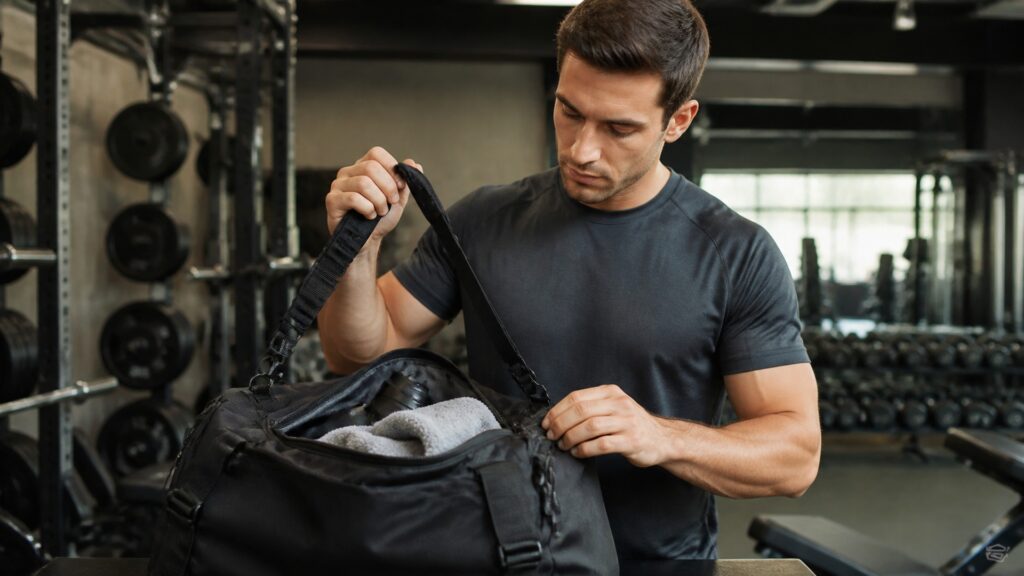
Why Gym Bags Safety Factors Matters

Safety factors matter in gym bags because a packed bag can affect posture, balance, hygiene, and how safely gear is stored. A weak strap, overloaded compartment, leaking bottle, exposed sharp item, or damp gear pocket can turn a simple gym trip into a problem.

The safest gym bag is not just the toughest-looking one. It is the bag that carries the expected load securely, keeps wet or dirty items contained, protects valuables and toiletries, and does not make the user carry weight awkwardly.

By: Review Streets Research Lab
Updated: September 23, 2026
Explainer · 8-12 min read
gym bags safety factors explainer hero image for Review Streets
What You'll Learn

How Safety Factors Shape Gym Bag Use

A practical look at load, straps, wet gear, hygiene, sharp items, and packed stability.

  • Why packed weight and strap design matter
  • How wet gear and toiletries affect hygiene
  • Where zippers, seams, and base panels fail
  • Why storage for sharp or hard items matters
  • What to check before using a bag daily

Tip: Judge the bag by the day it has to support, not by empty-bag photos.

Definitions

Key Concepts Behind Gym Bags Safety Factors Matters

These concepts explain how a gym bag supports packing, carrying, separating, and cleaning up after training.

Carry Pattern

Carry pattern is how the bag is moved through the day, such as by hand, shoulder, backpack straps, or rolling.

  • Example: a shoulder duffel carried from office to gym
  • Check: test the bag with normal packed weight
  • Limit: empty-bag comfort can be misleading

Storage Layout

Storage layout is how the bag separates shoes, clothes, bottles, electronics, toiletries, and small training items.

  • Example: a shoe pocket plus a main compartment and quick-access pocket
  • Check: pack the gear used most often
  • Limit: too many pockets can slow packing

Wet Separation

Wet separation keeps damp towels, sweaty clothes, or toiletries away from clean items.

  • Example: a lined pocket for a towel after training
  • Check: look for washable or vented spaces
  • Limit: separation does not replace cleaning

Access Speed

Access speed is how quickly common items can be found without unpacking the whole bag.

  • Example: keys and headphones in a small outer pocket
  • Check: find essentials in one step
  • Limit: fast-access pockets may be less secure

Durability Point

A durability point is a part of the bag that takes repeated stress, such as a zipper, seam, strap, or base panel.

  • Example: a reinforced bottom that handles locker-room floors
  • Check: inspect stitching and zipper movement
  • Limit: stronger materials can add weight

Routine Fit

Routine fit is how well the bag matches the user's commute, locker, workout, laundry, and storage pattern.

  • Example: a compact backpack for a bike commute and short gym session
  • Check: compare the bag to a normal training day
  • Limit: one bag may not fit every use case

Tip: A useful gym bag reduces friction before and after training without becoming harder to pack.

Load

A Safe Bag Handles Real Packed Weight

A gym bag may carry shoes, clothes, bottles, gear, and electronics at once. Straps, handles, and seams need to handle that load without pulling awkwardly.

  • Check weight when packed.
  • Inspect strap stitching.
  • Avoid overloading one side.

Load safety starts with realistic packing.

Carry

Comfort Affects Balance And Posture

A bag that digs into one shoulder or swings while walking can make the route more awkward. Carry comfort is a safety factor, not only a convenience feature.

  • Use padded straps when needed.
  • Keep heavy items close to the body.
  • Switch carry style if one side gets overloaded.

The bag should not fight the user on the way to training.

Hygiene

Wet And Dirty Gear Need Separation

Sweaty clothes, damp towels, shoes, and toiletries should not soak the rest of the bag. Separation helps reduce odor, mess, and cross-contamination.

  • Use lined or vented wet spaces.
  • Remove damp gear after training.
  • Keep toiletries upright and contained.

A clean bag is easier to use safely.

Protection

Hard Or Sharp Items Need A Place

Shakers, lifting hooks, toiletry bottles, keys, and electronics can damage other items or be damaged themselves if they float loose.

  • Use small pockets for sharp items.
  • Protect electronics from liquids.
  • Keep bottles away from valuables.

Protection works both ways.

Durability

Failure Points Should Be Easy To Inspect

Zippers, seams, base panels, and strap anchors take repeated stress. Weak points should be checked before the bag becomes a daily carry.

  • Test zipper smoothness.
  • Inspect base wear.
  • Replace bags with failing straps.

A bag that fails under load can create avoidable problems.

Quick Reality Check

Where Safety Factors Help And Where They Have Limits

A safe gym bag reduces avoidable mess, strain, and gear damage.

Where They Help

They keep load, wet gear, and small items under control.

They make daily carrying more predictable.

Where They Have Limits

They cannot replace cleaning and unpacking habits.

A bag can still be overloaded beyond its design.

Common Myths

Misconceptions About Gym Bag Safety

A rugged look does not prove a bag is safer.

Thicker fabric solves everything

Zippers, seams, straps, and layout matter too.

Wet pockets prevent all odor

They help, but damp gear still needs removal.

Any bag can carry any load

Overloading can stress straps and make carrying awkward.

Small items are harmless loose

Keys, bottles, and hard accessories can damage gear or spill.

Tip: The right bag is the one that makes the repeated routine easier.

FAQ

Frequently Asked Questions About Gym Bag Safety Factors

Short answers for practical buying and training decisions.

What should I check first?

Check strap strength, packed balance, wet storage, and zipper quality.

Are shoe compartments important?

They help when dirty or damp shoes would otherwise touch clean gear.

Can a gym bag be too big?

Yes. Oversized bags can encourage overpacking and awkward carry.

How do I avoid odor?

Separate damp items and unpack them soon after training.

What is the practical takeaway?

Choose a bag that carries real gear securely and keeps wet or hard items controlled.

Bottom Line

Safety factors matter because gym bags carry weight, damp gear, hard items, and daily essentials through repeated trips.

The best bag keeps the load stable, separates messy items, and holds up at its stress points.

Next Steps

Go Deeper or Compare Your Options

Use these Review Streets paths to compare related categories and practical next decisions.

Gym Bags

Explore the gym bag category.