
Fluid Access
Fluid access is how easily the runner can drink during the run.
- Example: sipping from a soft flask without stopping
- Check: test access at running pace
- Limit: easy access still needs stable fit
Training function matters because running hydration gear should help a runner drink, carry fluid, and manage longer or hotter sessions without disrupting stride. A bottle, flask, reservoir, belt, or vest is useful only if it supports the way the run is actually performed.
The best hydration setup gives enough access without adding too much bounce, heat, rubbing, sloshing, or reach difficulty. Capacity matters, but function during movement matters more.
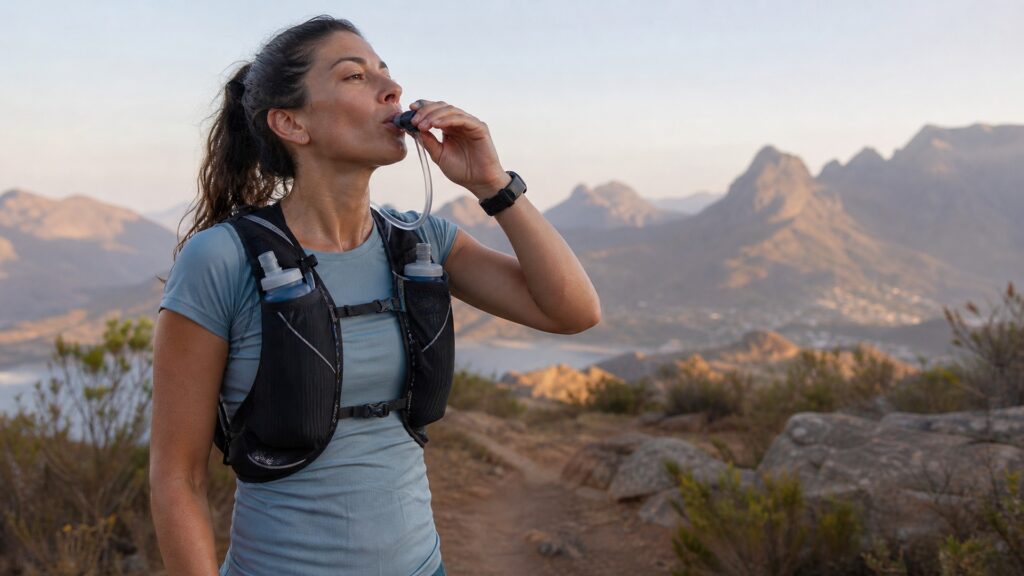
A practical look at fluid capacity, access, stability, temperature, and route demands.
Tip: Hydration gear should make drinking easier without making running harder.
These concepts explain how hydration gear affects real training.
Fluid access is how easily the runner can drink during the run.
Capacity match is how well the amount carried fits distance, heat, and refill access.
Bounce control is how well bottles, flasks, or reservoirs stay stable.
Heat load is the warmth added by wearing or carrying hydration gear.
Refill planning is deciding whether the route allows water stops instead of carrying everything.
Reach pattern is how the runner grabs, drinks, replaces, or adjusts hydration gear.
Tip: The right hydration system balances enough fluid with stable movement.
As distance and duration increase, hydration gear becomes less optional. The runner needs a way to drink that does not break rhythm or require unreliable stops.
The gear should support the whole session, not just the first mile.
Handheld bottles are simple, belts keep hands free, and vests carry more fluid plus essentials. Each format changes movement, heat, and access.
Format should follow the run's demands.
Hydration gear moves with fluid inside it. A setup can feel stable at the start and become distracting as containers empty or pace changes.
Stable carrying protects stride and focus.
Hot conditions increase fluid needs, but hydration gear can also add warmth. That makes breathability, placement, and capacity balance important.
Heat makes hydration more important and gear comfort more sensitive.
A loop with fountains is different from a remote road, trail, or race route. Hydration gear should reflect whether the runner can refill or must be self-sufficient.
Route planning turns hydration gear into a training tool.
Hydration gear is useful when fluid access supports the run without disrupting movement.
It supports longer, hotter, remote, or race-specific runs.
It keeps fluid reachable without relying entirely on stops.
It can add bounce, heat, rubbing, slosh, or excess weight.
It can be overkill when water access and short duration make carrying unnecessary.
Capacity alone does not make hydration gear good.
Extra capacity adds weight and can increase bounce or heat.
Running changes grip, access, slosh, and comfort.
They can help long training runs, remote routes, or sessions needing storage.
Heat, personal needs, and route access can still matter.
Tip: Choose hydration gear by how it works while running.
Short answers for choosing bottles, belts, flasks, reservoirs, and vests.
The best type depends on distance, heat, route access, storage needs, and comfort at running pace.
Use a vest when you need more fluid, storage, or self-sufficiency than a handheld or belt provides.
Keep weight close, adjust the fit, use compartments well, and test with full and partially full containers.
Yes, if they are reliable and placed well for the route, but have a backup when access is uncertain.
Hydration gear should give enough fluid access while staying stable and comfortable in motion.
Running hydration gear training function matters because fluid access has to work during real movement, weather, and route conditions.
The best setup balances capacity, reach, stability, heat, and comfort.
Use these Review Streets paths to compare related categories and practical next decisions.
Decide when general support matters more than fluid carrying.
Compare broader accessories with hydration-specific gear.
Explore related running gear categories.
Choose a retailer
Prices checked regularly. We may earn a commission at no cost to you.